Schools / CoursesUS AdventuresSkiing Adventures USA Utah

Avalanche Level 1

AAI Avalanche Level 1 · Wasatch, Utah · 2 field days · 2–4 per guide

2 field days Group: 2–4 clients per guide $615 per person

The Activity

Avalanche Level 1 · Wasatch, Utah

Learn to read the snow you’ll ski all winter

Avalanche Level 1 is where you stop following the advisory and start understanding it. Two field days in the Wasatch, built on a 6–8 hour online module you complete at home and an evening seminar with your instructors the night before.

Duration2 field days
Group2–4 clients per guide
Price$615 per person
ExperienceAssumed. If you’ve never toured, take Backcountry Essentials first.
SeasonDecember through February
WhereWasatch, Utah

You finish with an AAI Level 1 certificate of completion, and a way of looking at snow and terrain you’ll use on every tour after.
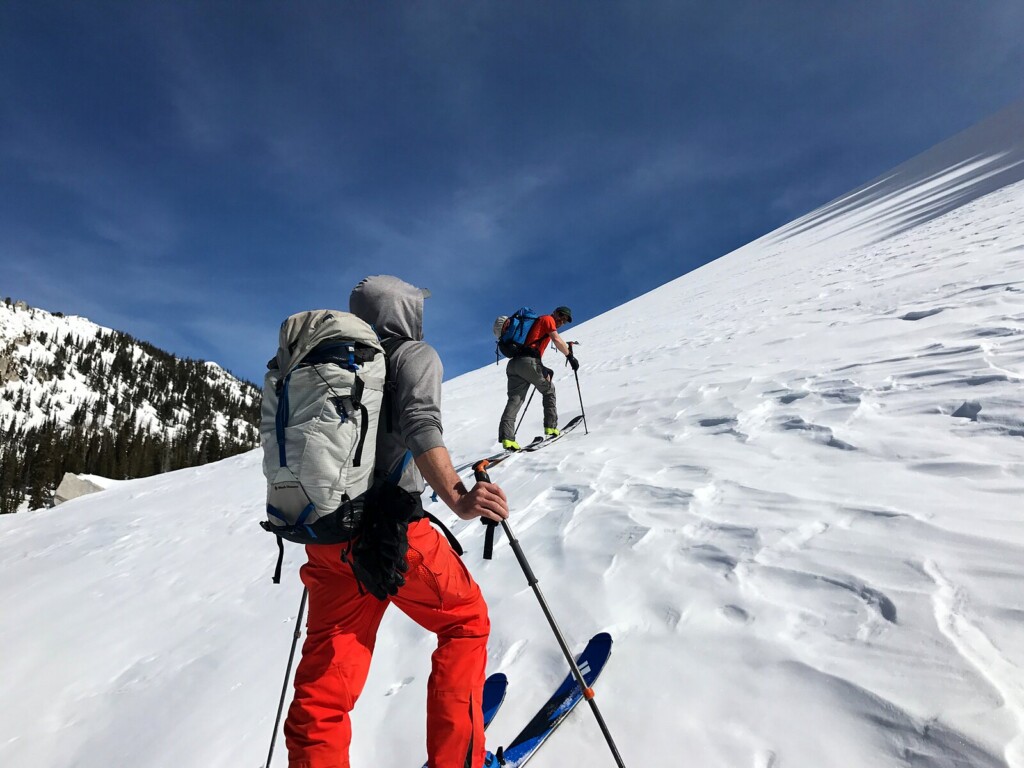
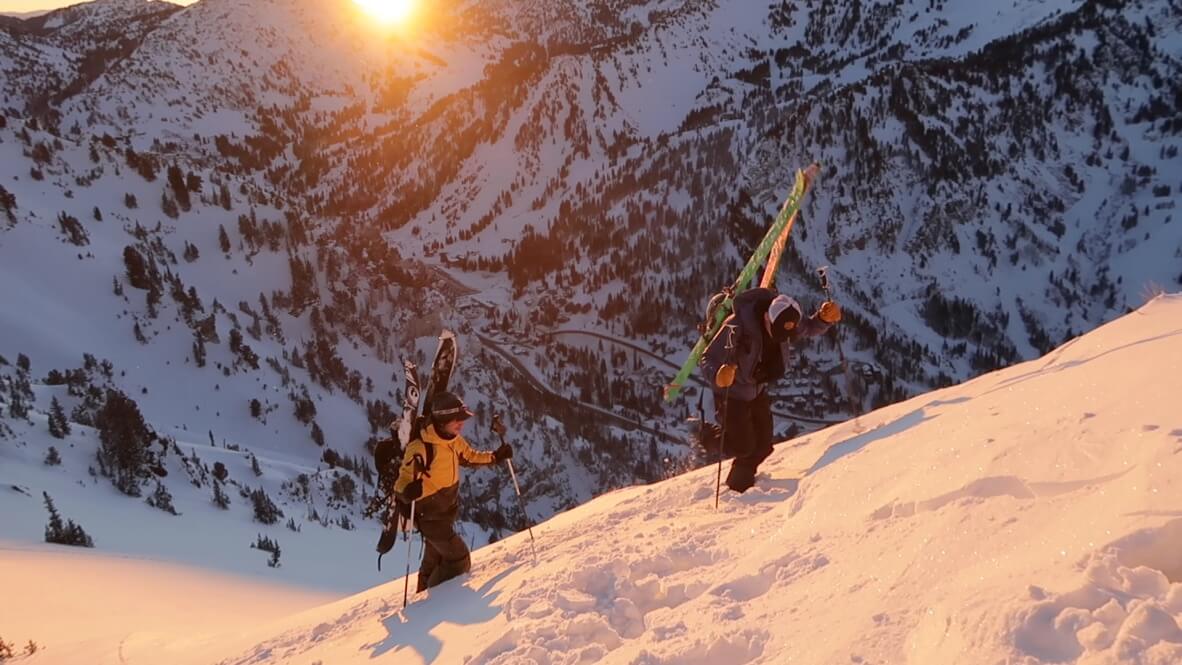
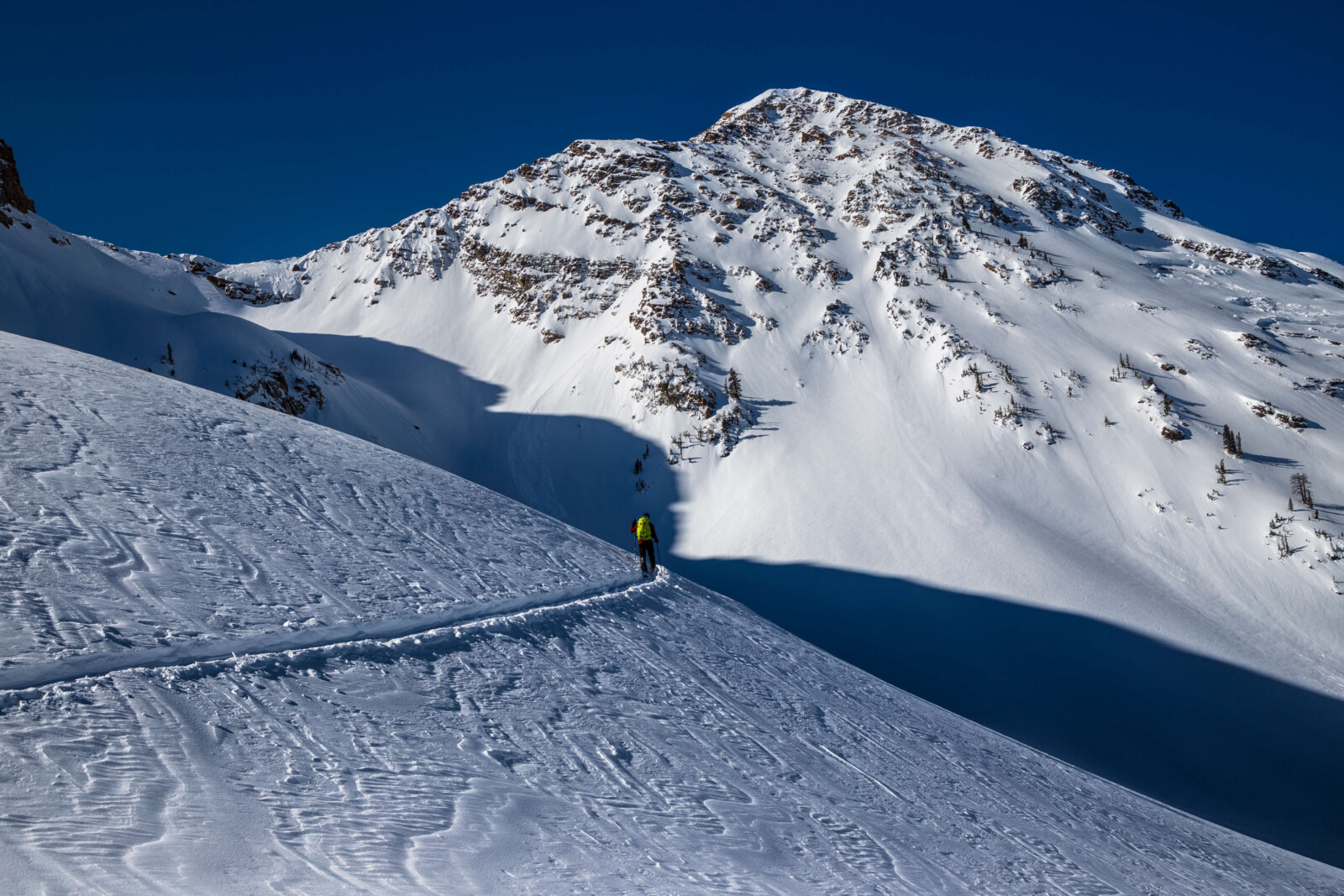
Touring uphill on wind-textured snow during an avalanche course, Wasatch, Utah

Quick facts

Where Salt Lake and Provo area mountains, Utah
Length 2 field days, plus a 6–8 hour online module and a live evening seminar
Team size 2–4 clients per guide
Certification AAI Level 1
Prior touring Assumed. If you’ve never toured, take Backcountry Essentials first.
Season December through February
Rate $615 per person

What you’ll work on

Snowpack and weather. Making observations that mean something — and knowing which ones don’t. Most people can be taught to dig a pit in an afternoon. Knowing what the pit is worth takes longer, and that’s where the time goes.

Terrain assessment. Slope angle, aspect, terrain traps, consequence. Learning to look at a slope and see the whole picture rather than the line down it.

Stability tests. How to run them, and more importantly how much weight to put on the answer.

Tour planning. Turning the advisory and the forecast into a plan for one specific day — then adjusting it in the field when the plan turns out to be wrong, which it regularly is.

Rescue. Beacon search and probing, practised until it’s fast. Speed is the whole thing.

Why we run it early in the season

The Wasatch builds its snowpack in November and December, and that early snow is where the season’s persistent weak layers form.

Take this course in December or January and you’re learning to read the exact problem you’ll be managing for the rest of the winter — while it’s forming, rather than reading about it afterwards. You also get the whole season to use it, instead of the last third.

Team size

2–4 clients per guide.

Your instructor will know your name and how you think by the end of the first day. That is the only way coaching works, and it’s the difference between a course and a lecture.

Who teaches it

Wasatch Mountain Guides (WMG) instructors — assessing the snowpack and the avalanche hazard on the morning of each field day rather than relying on what it was doing last week.

The course follows the American Avalanche Institute (AAI) Level 1 curriculum, approved by the American Avalanche Association (A3). You finish with an AAI Level 1 certificate of completion.

Want to test your judgment under load?

We also run a three-day version of this course with two nights of winter camping, over Presidents’ Day weekend. Same AAI certificate, plus a third field day made tired, cold and short of sleep — the state most real backcountry mistakes are made in. If there’s a bigger objective ahead, look at Avalanche Level 1 with Winter Camping.

Where this leads

Level 1 is a real threshold. It’s the point where clients stop needing us for ordinary days and start calling about bigger ones.

From here: the Backcountry Ski Mentorship, six days ending with you leading a tour under supervision. Then Wasatch ski mountaineering descents, Mount Baker, and for some clients Valdez or the Alaska Range.

If you’ve never toured, start with Backcountry Essentials — two days, no camping, and you’ll get far more out of Level 1 a season later.

Operated and guided by Wasatch Mountain Guides (WMG). BBE is the referral and sales partner; reservations, payments and required forms are handled directly by WMG.

Questions before you book?

We answer every inquiry personally.
Ask a guide

The Day & Logistics

How the course runs

Weather and snowpack decide the details. What follows is the shape of the course. Your instructors will change the venue or the order when conditions give them a reason to — and explaining that reasoning is itself part of the teaching.

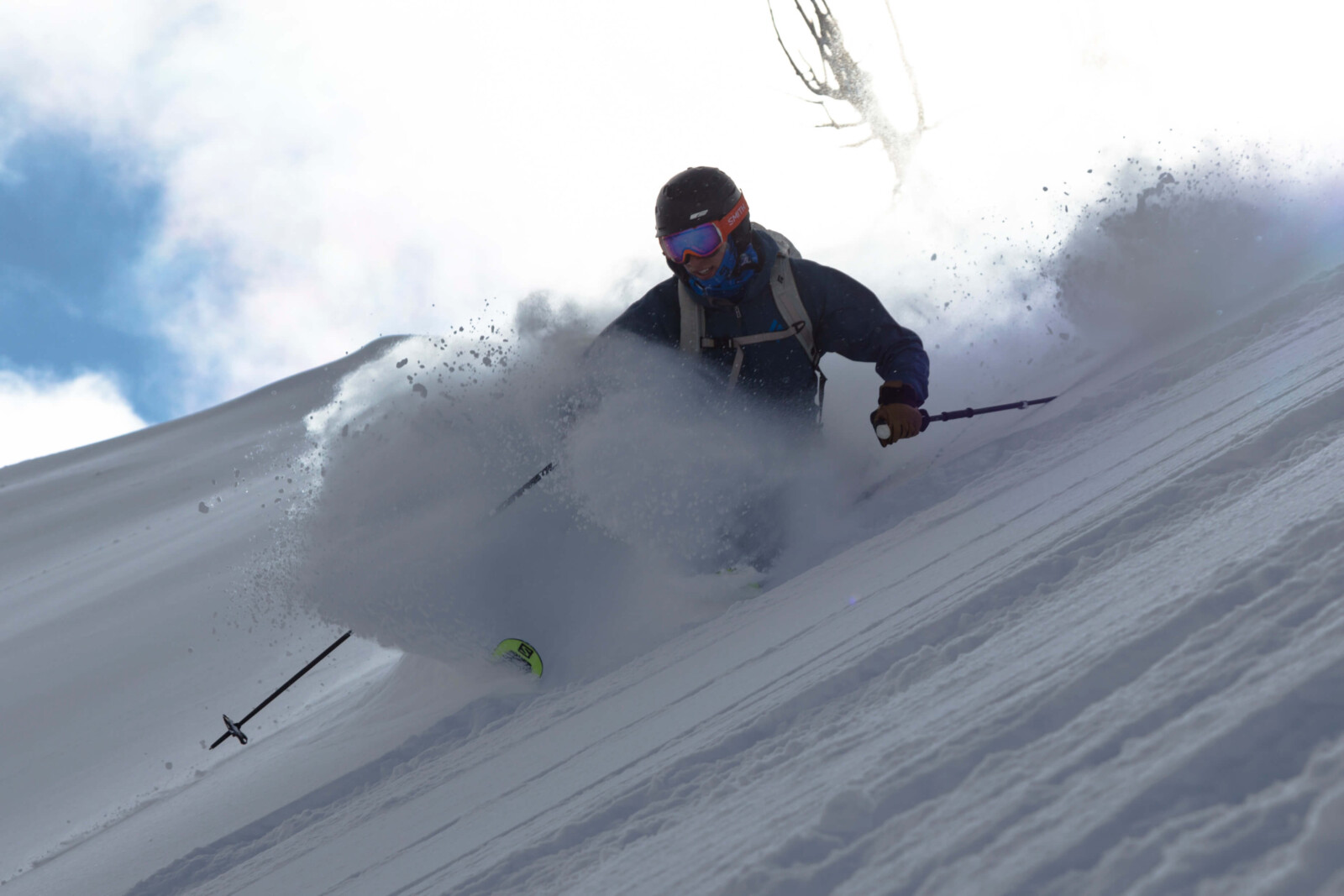
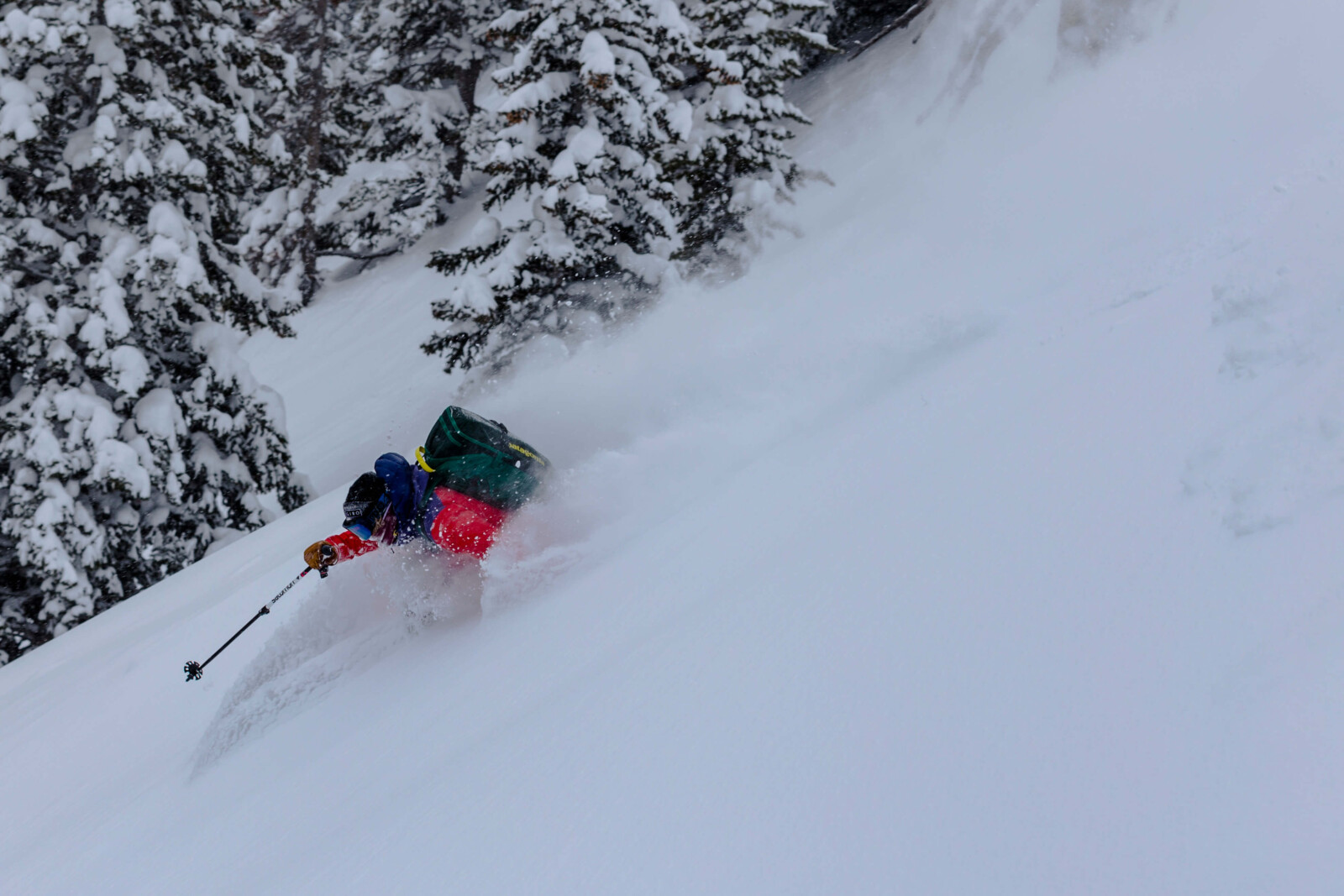
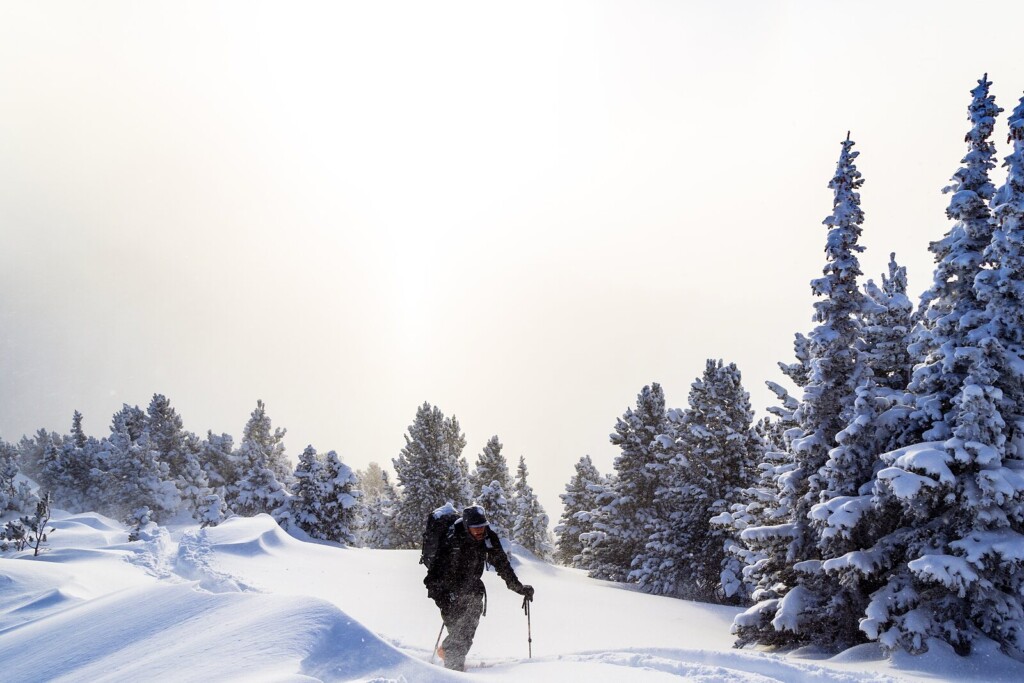
Skier touring through snow-covered trees in the Wasatch, Utah

Before you arrive

Do the online module properly

The single most useful thing you can do before the course.

It’s self-paced, takes six to eight hours, and you do it at home. The field days are built on the assumption that you’ve done it, and the people who skip it spend day one catching up on material everyone else already has.

Give it real attention rather than clicking through. Don’t leave it to the night before the seminar.

The live evening seminar

Online, the night before the first field day. You’ll need a laptop or tablet and about an hour — a phone works but you’ll be squinting at maps.

You’ll meet your instructors, look at the current conditions together, and get the plan for the morning.

Where and when you’ll meet

Field days run in the Salt Lake or Provo area mountains. The exact venue is confirmed close to the course, once we know what the snowpack is doing — so don’t book anything that assumes a fixed trailhead.

Early starts. Winter days are short and the teaching needs the daylight.

Canyon parking usually requires a fee. Bring a card or cash.

If you’re new to touring gear

Put your skins on at home once, before the course. Learning how your bindings switch modes is much easier in a warm room than in a car park in December.

If you’ve rented, do it the evening you pick the gear up.

Getting ready

You don’t need to train for this. But if you have a few weeks, hiking uphill with a loaded pack is the most specific preparation there is. The course isn’t a fitness test — you’ll just learn more if the earlier days haven’t emptied you.

Day one — observation

Into the field, and straight into making observations that mean something: snowpack, weather, and what the two are doing to each other.

Terrain assessment starts here and never stops for the rest of the course — slope angle, aspect, what’s above you and what’s below you.

Beacon rescue in the afternoon, run as a scenario rather than a demonstration. You’ll search under time pressure, with a probe and a shovel, until it works.

Day two — judgment

The morning starts with a plan built from the current advisory and what you saw yesterday.

Stability tests: how to run them, how to read them, and how much weight they actually deserve in a decision. This is the part most courses teach as a procedure and we teach as a judgment.

More terrain, more travel technique, and the running conversation about consequence — not just could this slide but what happens to me if it does.

Day two closes with the final debrief: what you’d do differently, what to work on next, and an honest read on where your judgment sits. Certification on completion.

Certification

An AAI Level 1 certificate of completion, awarded after the online module, the evening seminar and all field days — both field days.

Weather and hazard

We teach in weather. Bad weather makes some of the instruction better. Some of the best judgment lessons happen on the worst days.

High avalanche danger is instructive, not disqualifying. It changes the terrain we use. Your instructors choose ground that suits the day’s hazard, and the reasoning behind that choice is part of what you came to learn.

If conditions become unsafe or unworkable, we’ll change the venue or talk to you about rescheduling.

Getting here and where to stay

Getting here

Salt Lake City International is about 35–45 minutes from the field areas, with direct flights from most of the country. It’s one of the easiest mountain destinations in the US to reach, and the drive from the airport to the canyons is short enough that people underestimate it.

You’ll need a car. Rideshare into the canyons works but is unreliable coming back out, and the meeting times are early.

Where to stay

The night before matters most — the seminar is that evening and the first field day starts early.

In Salt Lake City: more choice, cheaper, and about 30–45 minutes from the canyons in the morning.

In the Cottonwood Canyons — Alta, Snowbird, Solitude, Brighton: closer to the field areas and a shorter, less stressful morning drive. More expensive, and canyon road closures for avalanche control are a real possibility on a storm morning, which cuts both ways depending on which side of the closure you’re sleeping.

Tell us your dates and we’ll say which suits that course better.

If you’re building a longer trip

Clients regularly add a guided ski day either side of a course, while the learning is fresh. After the January course, the free MLK Monday is the natural slot. Ask and we’ll tell you whether conditions justify it.

Is This For Me?

Is this for you?

If you’ve toured a season or two and want the certification with real depth behind it, yes.

If you’ve never toured, no — take Backcountry Essentials first. Two days, no camping, and you’ll get far more out of Level 1 the season after. We’d rather tell you that now than take your money twice.

What you need

Touring experience. This course assumes it. You should be able to skin, transition and travel without thinking hard about the equipment, because your attention needs to be on the snow rather than your bindings.

Skiing or riding ability. Intermediate to advanced — comfortable on steep blue to black terrain, in ungroomed and variable snow.

Solid fitness. You don’t need to be fast. You need to still be thinking clearly on the last morning — which is a different requirement, and the one people underestimate.

No prior avalanche education. We start at the beginning.

Two days or three?

This page is for the two-day course. It’s a complete course, not a reduced one — the right choice if you want the certification and a solid foundation, you’re fitting it around work, or you’re not sure yet how deep you want to go.

If there’s a bigger objective ahead — Baker, Alaska, an expedition — or you want to find out how your judgment holds up tired and cold, look at Avalanche Level 1 with Winter Camping: three field days, two nights out, same certificate.

Who this is really for

People who’ve been touring with the advisory open on their phone, following the recommendation without fully understanding the reasoning, and want to close that gap.

People who want the certification for its own sake — as a prerequisite, for a partner’s peace of mind, or as a foundation to build on.

And people with something bigger ahead, who know that snow judgment is what everything else sits on.

Who this is not for

If you’ve never toured — Backcountry Essentials first.

If you want a guided powder day, book one. This is a course. You’ll spend real time standing still, digging, discussing and running scenarios. That’s the point, and it’s worth knowing before you arrive.

Essentials or Level 1?

Backcountry Essentials AAI Level 1
Length 2 field days + evening session 2 field days + module + seminar
Certification No Yes
Prior touring Not needed Assumed
Best for Getting out safely with a partner Depth, certification, bigger objectives

Most people who do both do Essentials first and Level 1 a season later. Some go straight to Level 1 and do fine. Tell us what you’ve skied and we’ll give you a straight answer — including “wait a year” if that’s the honest one.

Age

The minimum age is 13. Anyone under 18 will need a parent or guardian to sign on their behalf.

Gear & Equipment

Gear and equipment

What we provide

  • WMG instructors
  • The online module and all course materials
  • Avalanche beacon, shovel, probe and pack, if you need them

What you bring

Your touring setup

  • Alpine touring, telemark or splitboard equipment with skins
  • Ski or snowboard boots
  • Poles with powder baskets

Clothing

  • Non-cotton base layers, top and bottom
  • An insulating layer — fleece, synthetic or down
  • Waterproof, windproof shell jacket and pants or bibs
  • Wool socks, and a spare pair
  • Two pairs of gloves — warm ones and a lighter pair for going uphill. You will want both.
  • Warm hat
  • Sunglasses and goggles
  • Helmet, recommended
  • Sunscreen

A headlamp with fresh batteries, and a spare set. Winter days are short and canyon starts are early.

Food and water

  • Two litres of water per day. Bladders freeze — bottles are more reliable.
  • Lunch and quick energy snacks for every field day
  • A thermos of something hot, when it’s cold

Renting touring equipment

Book it before you fly. In a busy season, and especially around the holiday weekends, the good touring setups go early.

Rent your touring setup in Salt Lake City, and sort it out before you fly. Skimo Co is our main rental shop; the others are good alternatives, especially for splitboards. Avalanche gear comes from us and is included in the course rate.

Skimo Co — our main rental shop. 2477 E Fort Union Blvd, Cottonwood Heights · 801-942-9084. Touring skis, boots and skins. In store, first come, first served, Monday to Saturday 11am–6pm — pick up the day before. No splitboards.

evo Salt Lake City — 660 S 400 W, Suite 300 · 385-379-3172. Ski and splitboard packages with boots. Booking online ahead is cheaper.

Salty Peaks — 3055 E 3300 S, Millcreek · 801-467-8000. Touring skis and splitboards, by the day or the week.

University of Utah Campus Recreation — 1836 Student Life Way · 801-581-8516. Open to the public; touring skis and splitboards. Snow rentals stop in mid-April.

Wasatch Touring — 702 E 100 S · 801-359-9361. Call ahead to confirm what’s available.

White Pine Touring (Park City) — 1790 Bonanza Dr · 435-649-8710. Alpine touring and telemark packages.

If you rent one thing, make it boots that fit. More people have a bad course because of boots than because of skis, and it is the hardest problem to fix at 7am in a parking lot.

On borrowing versus buying

Avalanche gear — borrow from us the first time and decide afterwards. Your instructor will tell you honestly what’s worth owning, and they have no reason to point you at anything in particular.

A note on the December date

The December course runs on an early-season snowpack — colder, shallower, and with the shortest daylight of the season.

That’s exactly why it teaches well. It also means warm gloves, a warm hat and a headlamp matter more on that date than on the others, and standing still to dig and discuss is colder work than moving. Bring the extra layer.

Not sure about a piece of your equipment?

Send us a photo. We’d rather sort it out a week early than at the trailhead.

Rates & Booking

Rates and booking

Rates

Rate
Avalanche Level 1 · 2 field days + module + seminar $615 p er person

Certificate: AAI Level 1 certificate of completion.

Minimum two clients for a course to run. 2–4 clients per guide.

2026–27 dates

Sat 5 – Sun 6 December 2026Early-season snowpack — the season’s weak layers as they’re forming. Take it now and you have the whole winter to use it.

Open

Sat 16 – Sun 17 January 2027Martin Luther King Jr. weekend — no time off needed, and the Monday is free

Open

Complete the online module before you arrive. The live seminar runs the evening before the first field day.

Looking for the three-day course with winter camping? See Avalanche Level 1 with Winter Camping.

Private and custom dates are available for groups of two or more, December through February.

What’s included — and what isn’t

Included

  • The online module, the live evening seminar, all field days of instruction, certified instructors, and an avalanche beacon, shovel, probe, and pack if you need them.

Not included

  • Touring equipment — Rented in Salt Lake City if you don’t own it. Skis, boots and skins, or a splitboard setup.
  • Your food — Lunch and snacks for each field day.
  • Lodging — At minimum the night before the first field day.
  • Car hire — You need one. Rideshare into the canyons is unreliable coming out.
  • Canyon parking — Usually a fee. Card or cash.
  • Flights — Salt Lake City International, about 35–45 minutes out.
  • Gratuities — Customary — 15–25% is standard. Cash is always appreciated, and every WMG guide also accepts Venmo.
  • Trip insurance — Not required, strongly recommended. Protects the course fee if you cancel late, and covers rescue or evacuation, which is your cost.
The realistic total

For an out-of-state client : the $615, plus two or three nights of lodging, a rental car, touring gear rental for two days, and food. For a client who already owns touring equipment and lives within driving distance, it’s very close to $615 flat.

The honest note: the biggest variable is whether you own a touring setup. If you don’t, rental is the second-largest line on this page after the course itself, and it’s worth pricing before you book.

Fitting it around work

Both dates sit on a weekend, and the January course falls on a holiday weekend.

Sat 5 – Sun 6 December — an ordinary weekend. No time off.

Sat 16 – Sun 17 January — Martin Luther King Jr. weekend. No time off, and the Monday is free if you want a guided day while the course is still fresh in your hands.

How to book

  1. Contact us with your dates, which course you want, and how many of you there are.
  2. We’ll confirm availability and send you the registration link.
  3. You register directly with Wasatch Mountain Guides. The link is WMG-branded; that’s expected. You’ll complete the application, sign the acceptance of risk, and pay in full there.
  4. You’ll get a confirmation email with the online module access, the seminar link, a full kit list, and your instructor’s contact details.

What to tell us when you register

  • What you’ve toured, honestly. It changes how your instructor pitches the first morning.
  • What equipment you need from us — avalanche gear
  • Whether you run cold. Useful information, and it changes what we send you out with.
  • Injuries or medical conditions your instructors should know about

You’ll complete an application and sign an acknowledgement and acceptance of risk with WMG before the course. Please read it rather than clicking through.

Minimum age: 13. Anyone under 18 needs a parent or guardian to sign.

Payment and cancellation

Payment. Full payment is due when you register with Wasatch Mountain Guides — card, PayPal, check or wire.

If you cancel

If we cancel

Before the course, for weather, hazard or conditions: move to a later date, or take a credit that never expires.

Before the course, for low enrollment: WMG will contact you as early as possible. You choose a full refund, a credit or a later date, or running it as a private course at a reduced rate.

Partway through: partial credit, based on the time you spent in the field.

Once a course starts, there are no refunds for weather or conditions. Your guide will change, shorten or turn the day around when the mountain calls for it. That is the job, and it’s the judgment you’re paying for.

Guides may remove anyone whose ability or conduct puts themselves or the team at risk. There is no refund in that case, and any cost of leaving is yours.

Rescue and evacuation costs are your responsibility. We strongly recommend trip insurance that covers both cancellation and backcountry rescue and evacuation. Many standard travel and health policies cover neither.

Full terms: Wasatch Mountain Guides Reservation, Cancellation and Refund Policy.

When you cancel What happens
More than 30 days before Full credit toward a later date, or a refund less a 5% fee
14 to 30 days before Move to a later date, subject to availability. No refund.
Fewer than 14 days before No refund or reschedule — for any reason, including injury, illness, weather or travel delays

Frequently Asked Questions

More questions? Choosing between Backcountry Essentials, Level 1 and the winter camping course is covered in the Avalanche Education FAQ. Booking, payment, cancellation, insurance and tipping are in the General FAQ. Dates, rates and cancellation terms for this course are on Rates & Booking.

An AAI Level 1 certificate of completion from the American Avalanche Institute, on a curriculum approved by the American Avalanche Association (A3). You earn it by completing the online module, the evening seminar and all field days.

Yes. Avalanche Level 1 with Winter Camping adds a third field day and two nights out over Presidents’ Day weekend, with the same certificate. It’s built for clients with a bigger objective ahead. If you’re unsure which fits, tell us what you’ve skied and we’ll give you a straight answer.

Two reasons. The Wasatch builds its persistent weak layers in the early-season snowpack, so December and January courses teach the exact problem you’ll be managing all winter, while it’s forming. And taking the course early means you have the whole season to use it.

For skiing, sometimes. For learning, it’s often the best date — a shallow, developing snowpack is where the interesting problems live, and reading one as it forms teaches more than reading a settled one in March. Expect colder nights and thinner coverage. We choose terrain accordingly.

Yes, and you should be comfortable on steep blue to black terrain. This course assumes both. You should be able to skin, transition, and travel without thinking hard about the equipment, because your attention needs to be on the snow. If you’ve never toured, take Backcountry Essentials first — two days, no camping, and you’ll get much more from Level 1 the season after.

No. We start at the beginning.

No. We provide the beacon, shovel, probe, and pack. Bring your own if you have them — learning on the gear you’ll actually use is better.

You need one for the course, but it can be rented. Skimo Co is our main rental shop; the Gear & Equipment page lists the others and what each one rents. Sort it out before you fly — good setups go early in a busy season.

Fit enough to move uphill for consecutive days carrying more than a day-tour pack, and still be thinking clearly on the last morning. You don’t need to be fast.

Cold enough that it matters, which is the point. We’ll send a kit list that accounts for it, and equipment rated for the conditions is available from us. Tell us if you run cold — it’s useful information and it changes what we send you out with.

No. You bring your own.

2–4 clients per guide.

Wasatch Mountain Guides (WMG) instructors — assessing conditions on the morning of each field day.

Yes. Splitboarders are on every course we run.

We teach in weather, and bad weather makes some of the instruction better. If conditions become unsafe or unworkable, we’ll change the venue or talk to you about rescheduling.

High danger is instructive, not disqualifying. It changes the terrain we use. Your instructors choose ground that suits the day’s hazard, and the reasoning behind that choice is part of what you’re there to learn.

No — and be careful of anyone who says a course will. It gives you a framework, a vocabulary, and supervised practice. Judgment comes from using them over seasons.

The most common pattern in avalanche accidents is people with training who got comfortable. Avalanche terrain carries risk that cannot be removed. What this course does is make you better at recognizing it and deciding what to do about it.

Yes. Both dates run Saturday–Sunday, and the January course falls on MLK weekend, so the Monday is free. (See Rates & Booking.)

Use it. A season of touring with the framework you’ve just been given is worth more than another course immediately.

When you want more: the six-day Backcountry Ski Mentorship ends with you leading a tour under supervision. And Level 1 is the foundation under Mount Baker, Valdez, the Alaska Range and the international expeditions.

Learn to read the snow you’ll ski all winter

Avalanche Level 1 is where you stop following the advisory and start understanding it. Two field days in the Wasatch, built on a 6–8 hour online module you complete at home and an evening seminar with your instructors the night before.

Price$615 per person
Private & Custom Your dates. Your team.

This trip can run privately, on the dates that work for you.

Scheduled departures
  • Sat 5 – Sun 6 December 2026Open
  • Sat 16 – Sun 17 January 2027Open

Questions first? Ask a guide

Location:
Wasatch, Utah
Group:
2–4 clients per guide
Duration:
2 field days
Skill:
Assumed. If you’ve never toured, take Backcountry Essentials first.
Pricing

All prices are in US dollars.

Learn to read the snow you’ll ski all winter

Avalanche Level 1 is where you stop following the advisory and start understanding it. Two field days in the Wasatch, built on a 6–8 hour online module you complete at home and an evening seminar with your instructors the night before.

Request a Place

Private & Custom

Make Avalanche Level 1 your own expedition

Every trip we run can also run privately: on your dates, with your people, built around your goal. Same guides, same safety standard as our scheduled departures.

Your dates

We set the departure around your calendar, not the other way round.

Your people

Family, friends, a company team, or just you and a guide.

Your goal

Training for a bigger peak, a winter or speed attempt, a film, or a route that runs from summit to ocean.

Your price

Private trips are quoted for your group size, dates and plan.

Professional Mountain Standards

Your guide is a professional mountain guide from Wasatch Mountain Guides (WMG).

AMGA — American Mountain Guides Association logo
IFMGA / UIAGM — International Federation of Mountain Guides Associations logo
AMGA Ski Guide logo

Related Trips