The Climb
Volcanoes of Mexico Expedition · La Malinche, Sierra Negra & Pico de Orizaba · 10 Days · Maximum Six Climbers
Build experience. Climb higher. Climb with confidence.
Mexico is one of the best places to start high-altitude mountaineering, or to prepare for a bigger expedition. Over ten days you climb three volcanoes, each higher than the last. You use the mountaineering systems you’ll need on bigger peaks, stay a night at a real high camp, and attempt Pico de Orizaba: the highest mountain in Mexico and, at 18,491 ft / 5,636 m, the third-highest peak in North America.
This isn’t a quick Orizaba climb. It’s a full high-altitude progression, built to give you the acclimatization, the instruction and the confidence to climb well.
For some climbers, Mexico is their first serious time at altitude. For others, it’s where they sharpen up before Aconcagua or Denali. These mountains are worth climbing for their own sake. Together, they give you a lot of high-altitude experience in a short trip.
Four Questions. Answered Before You Book.
The Mountain
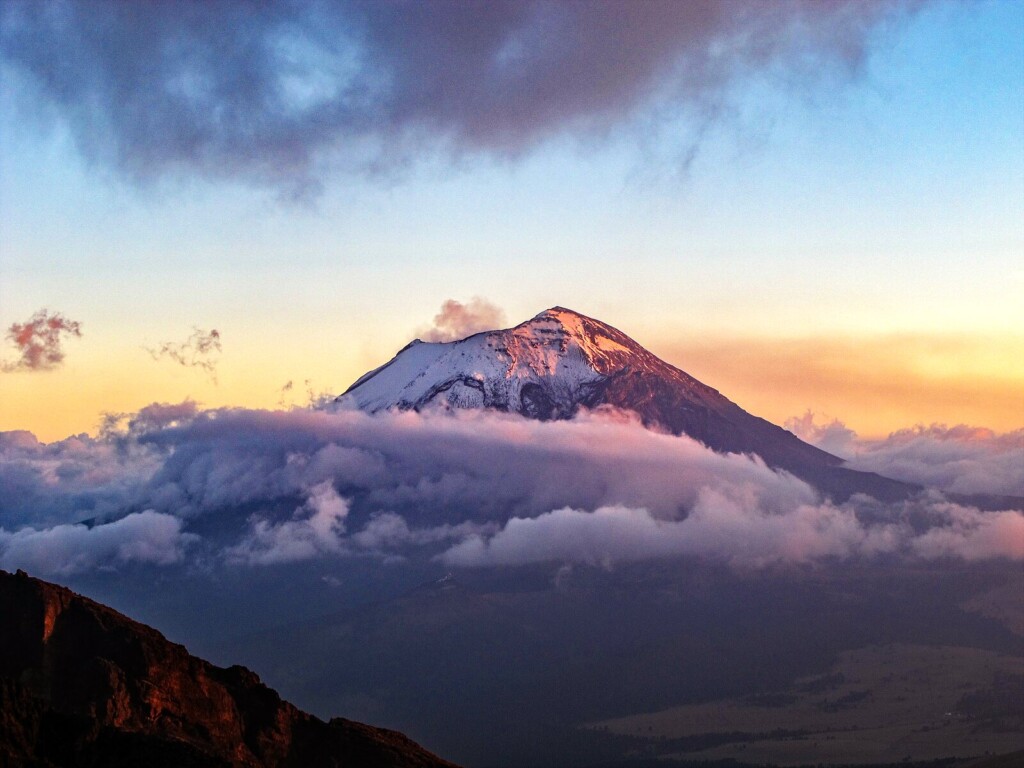
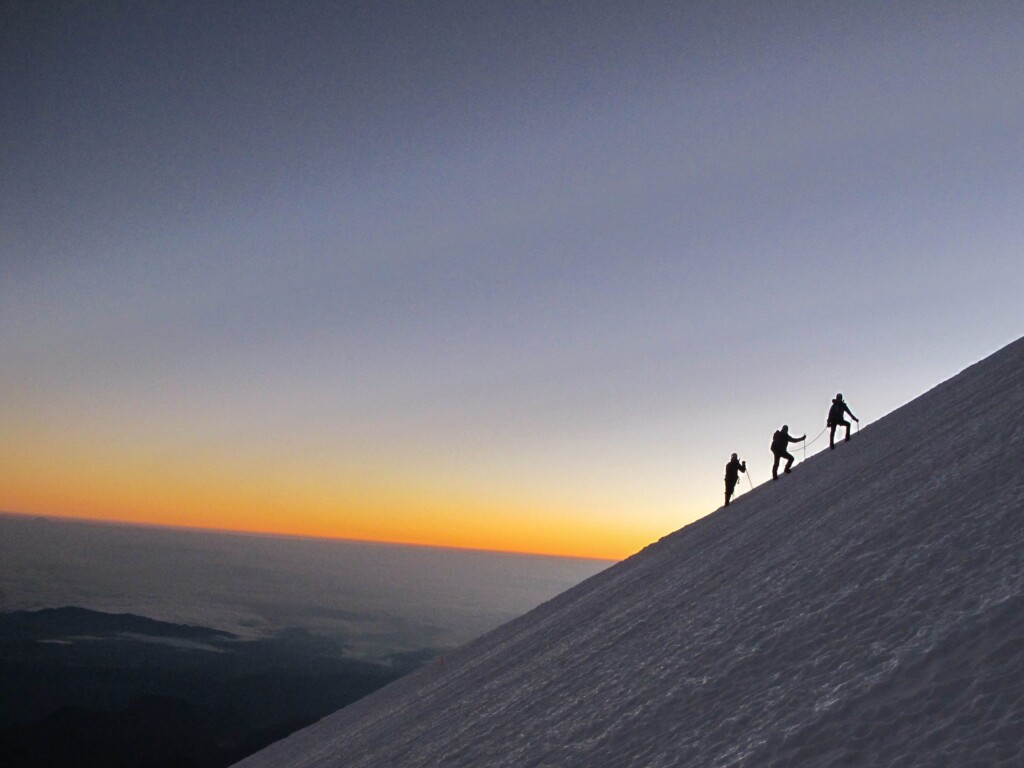
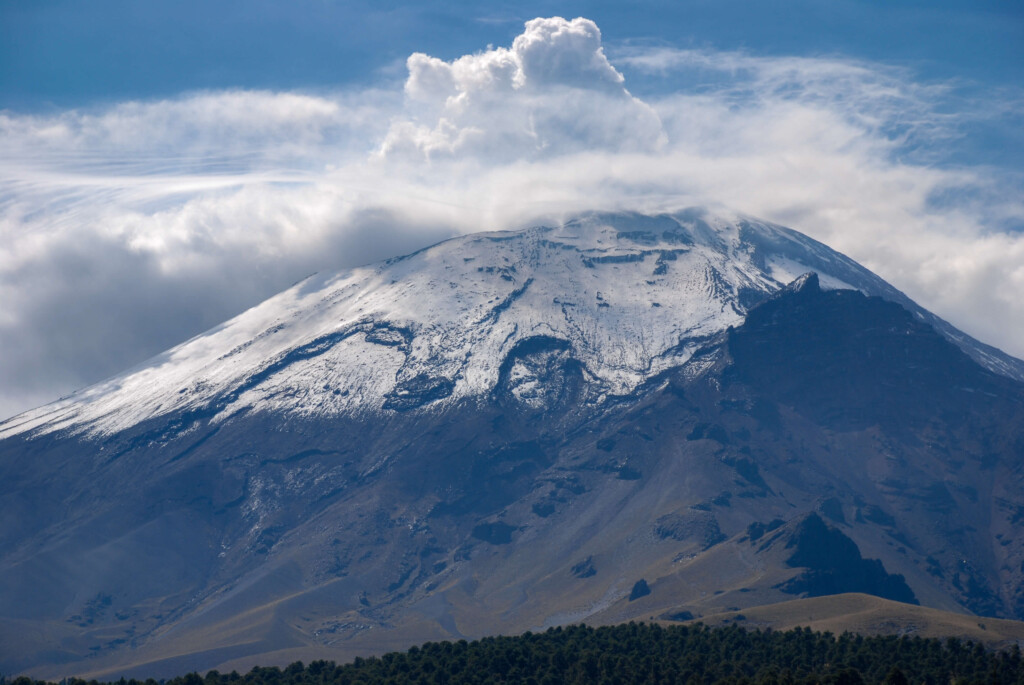
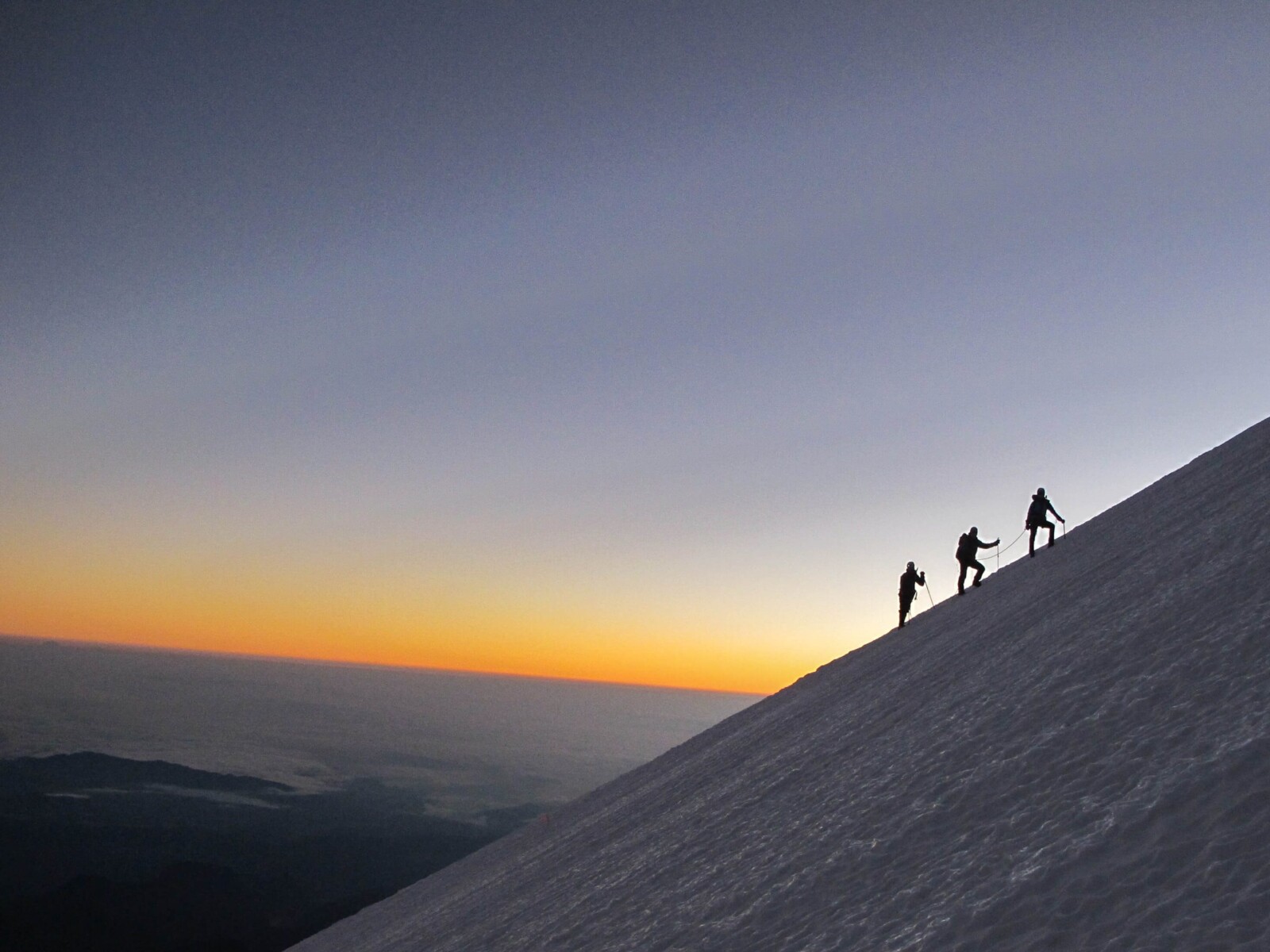
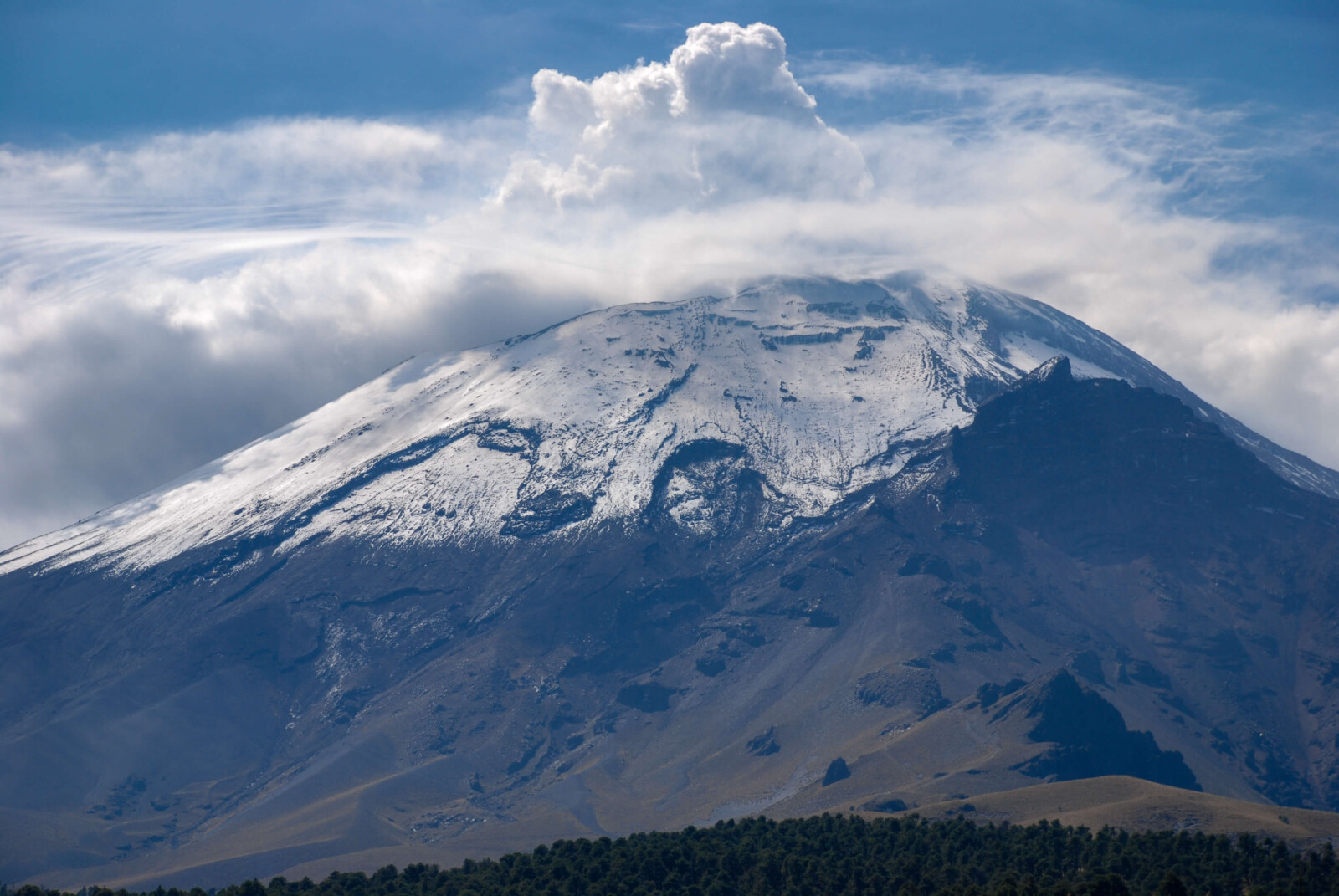
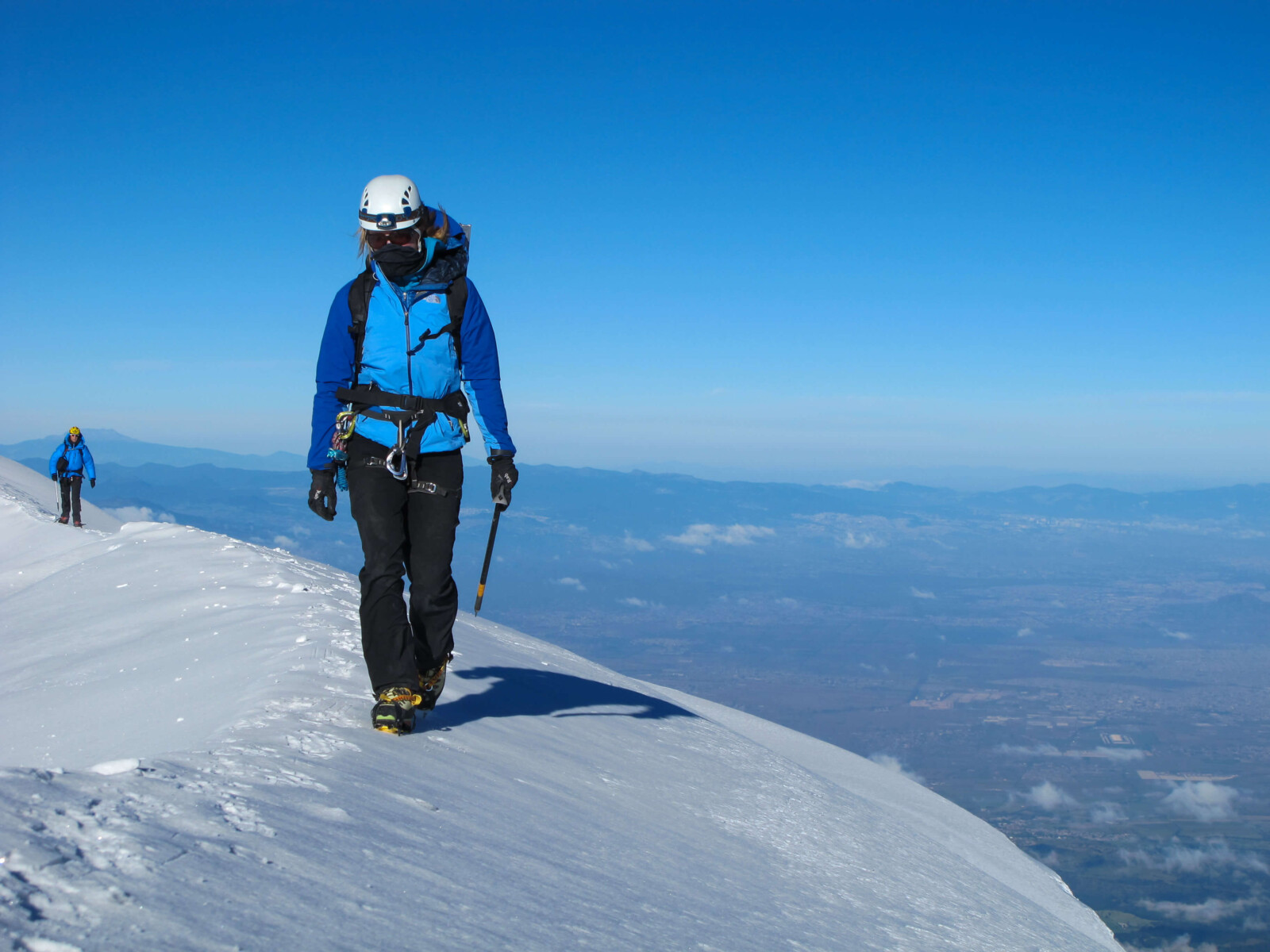
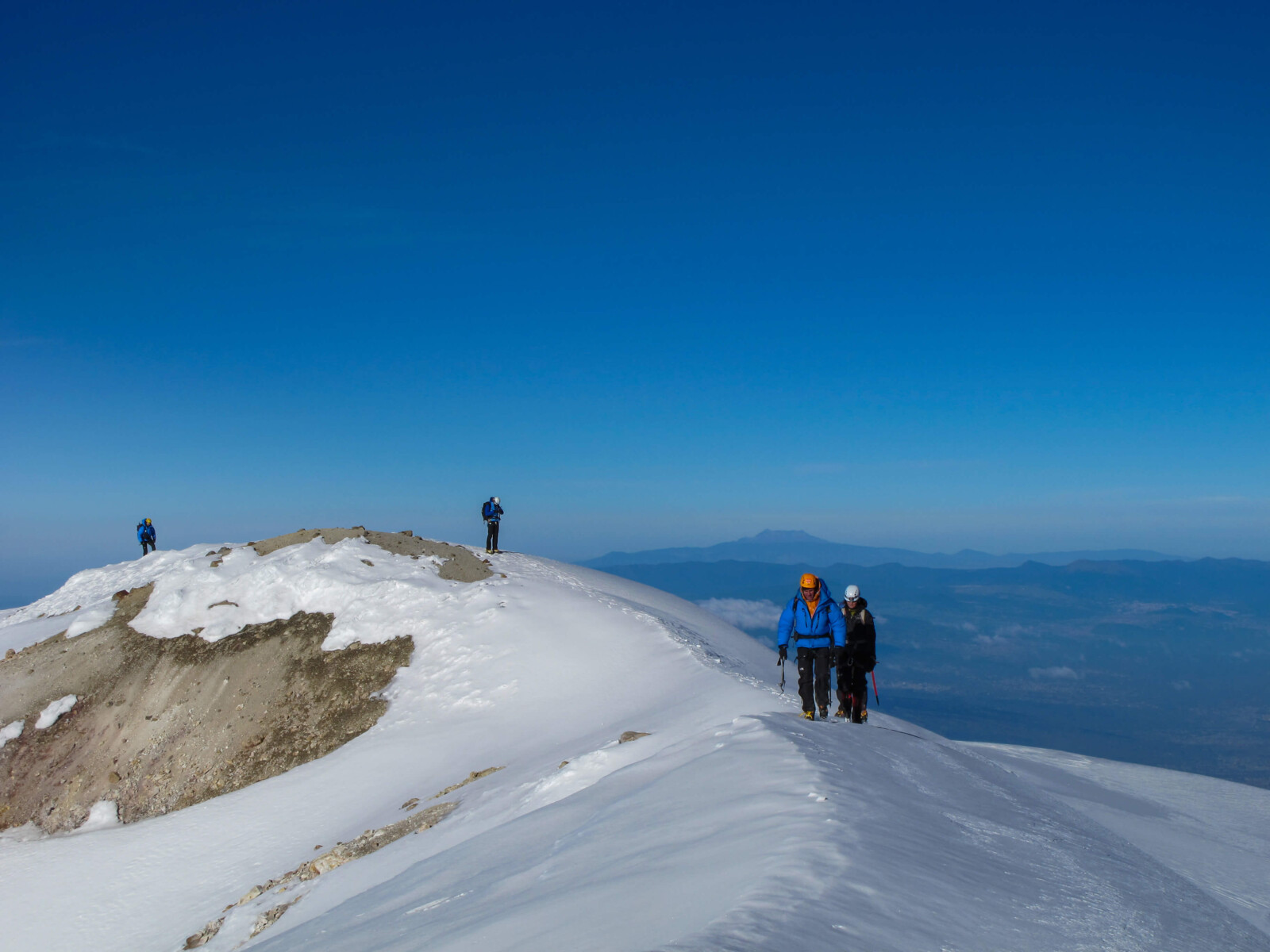
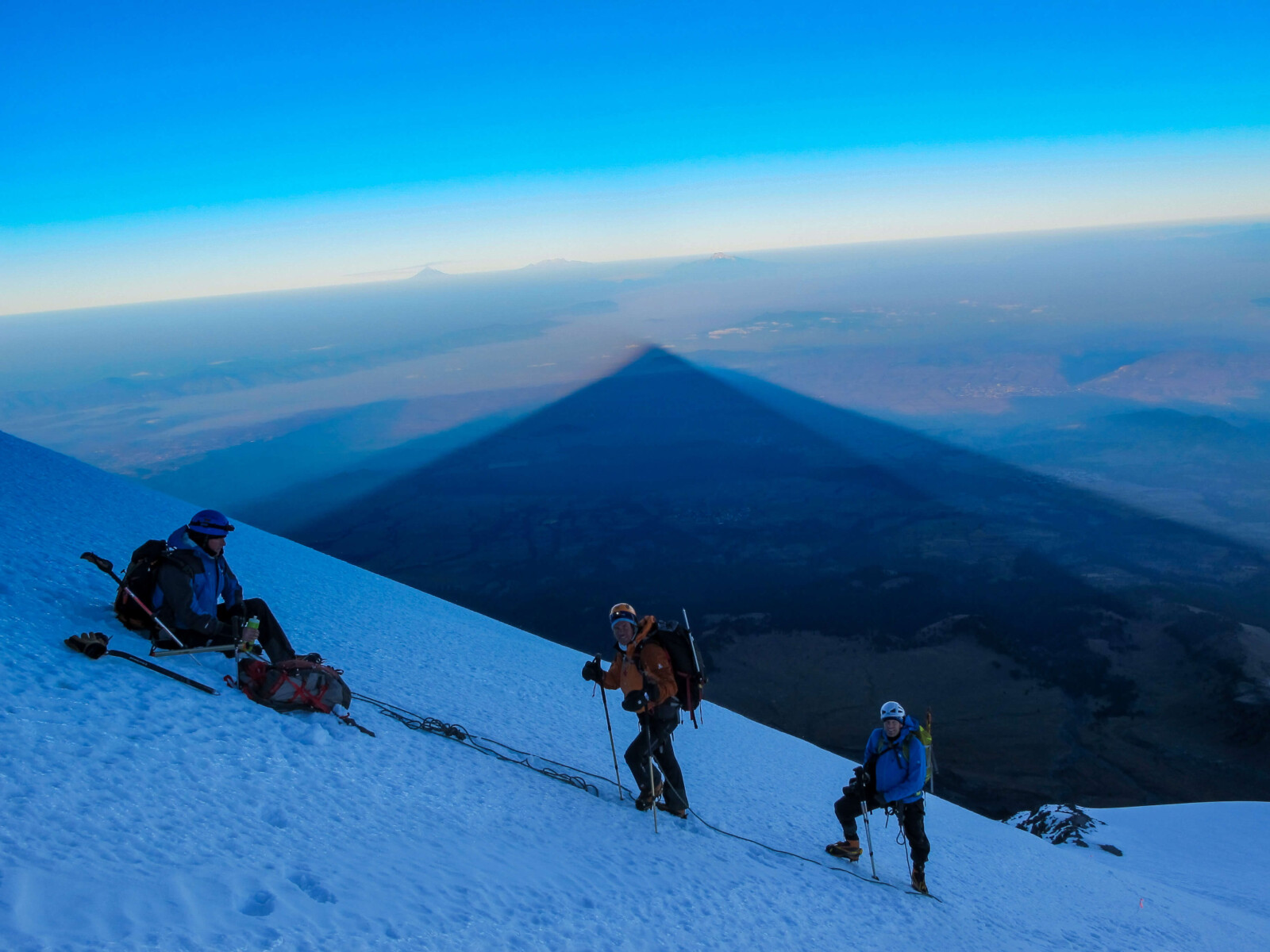
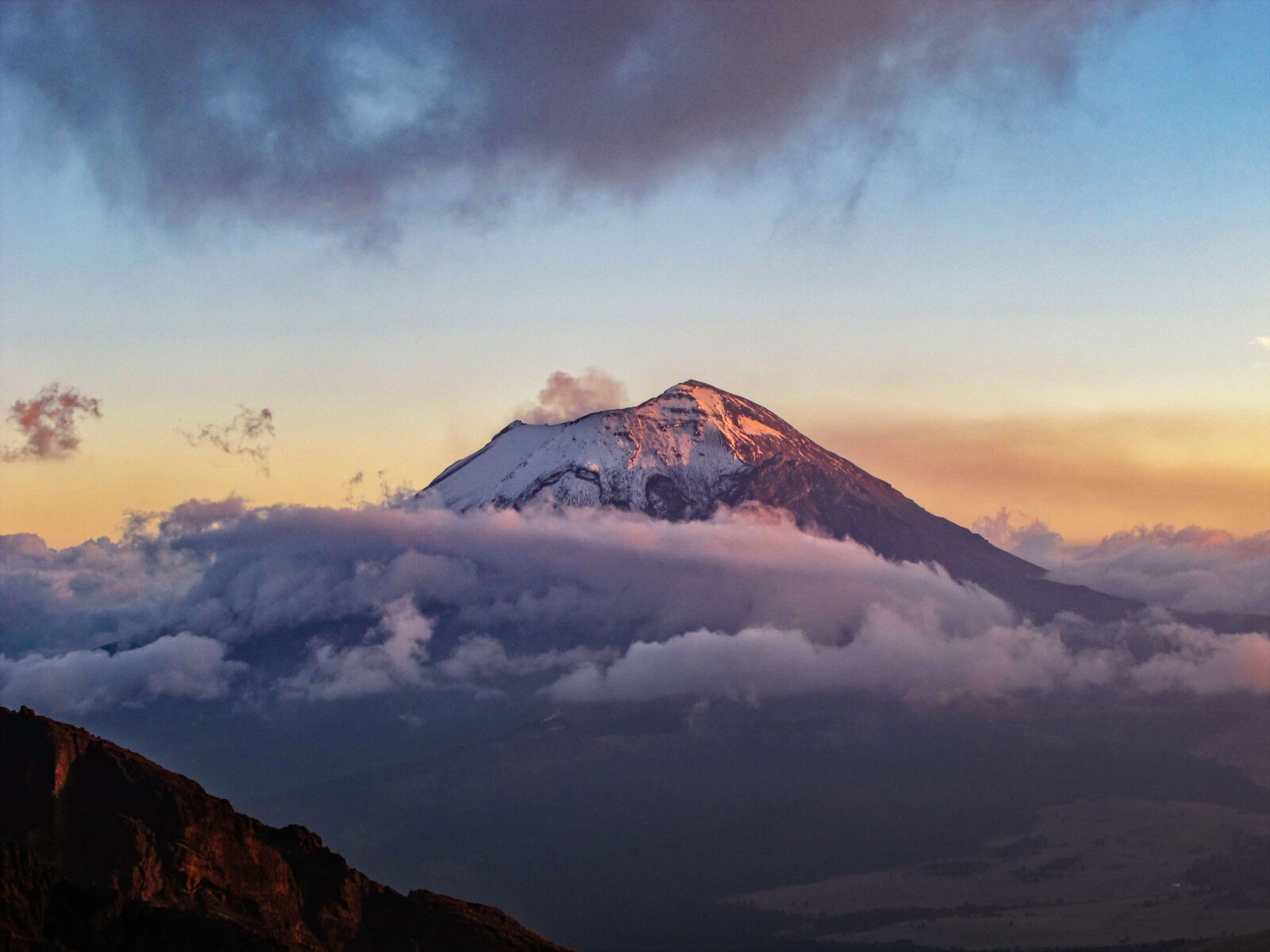
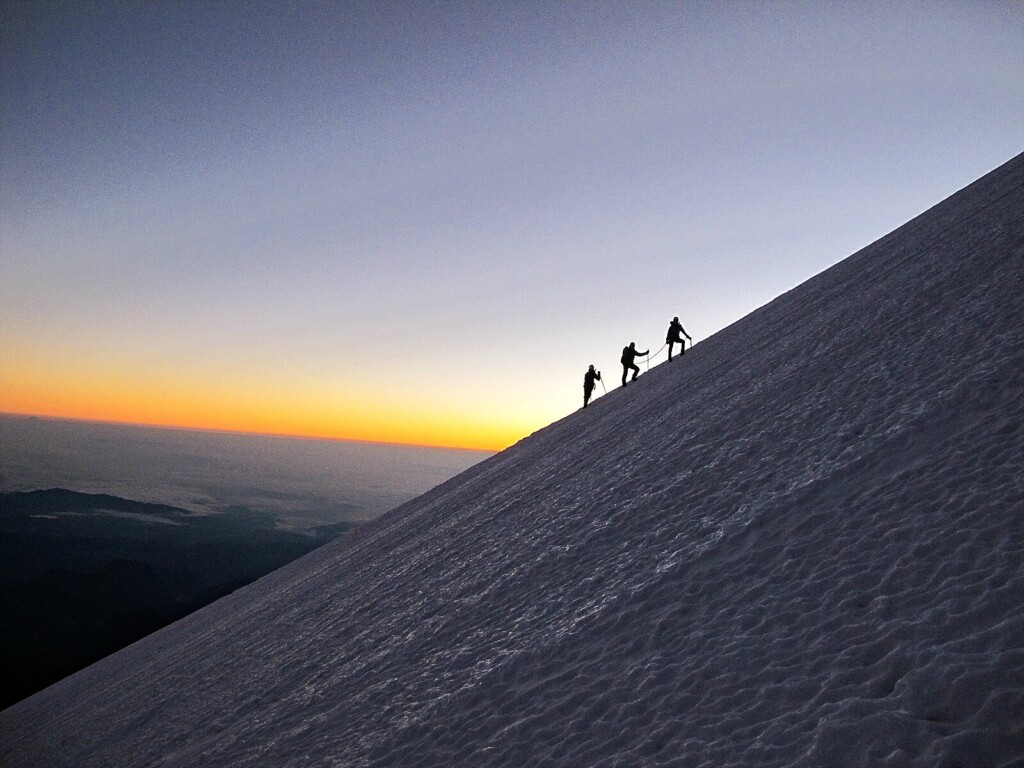
Pico de Orizaba (Citlaltépetl) is a dormant stratovolcano on the border of Puebla and Veracruz. Its north side carries the Jamapa Glacier, a sustained slope of about 35 degrees that leads to the crater rim. Its condition varies by season and year: hard ice, firm snow, penitentes or runnels.
Below the glacier, the route crosses loose volcanic ground and the Labyrinth, a band of rock and old ice between Piedra Grande and the snow. It’s a real mountain: high, cold and exposed. Most of the time it’s also very achievable for a well-prepared climber.
Why Mexico
A short flight from the United States puts you among high volcanoes, mountain towns and old colonial cities, and there’s a real glaciated objective at the end of it.
Getting there is simple, the flight from the United States or Canada is short, and the mountains still rise above 18,000 feet onto real glacier.
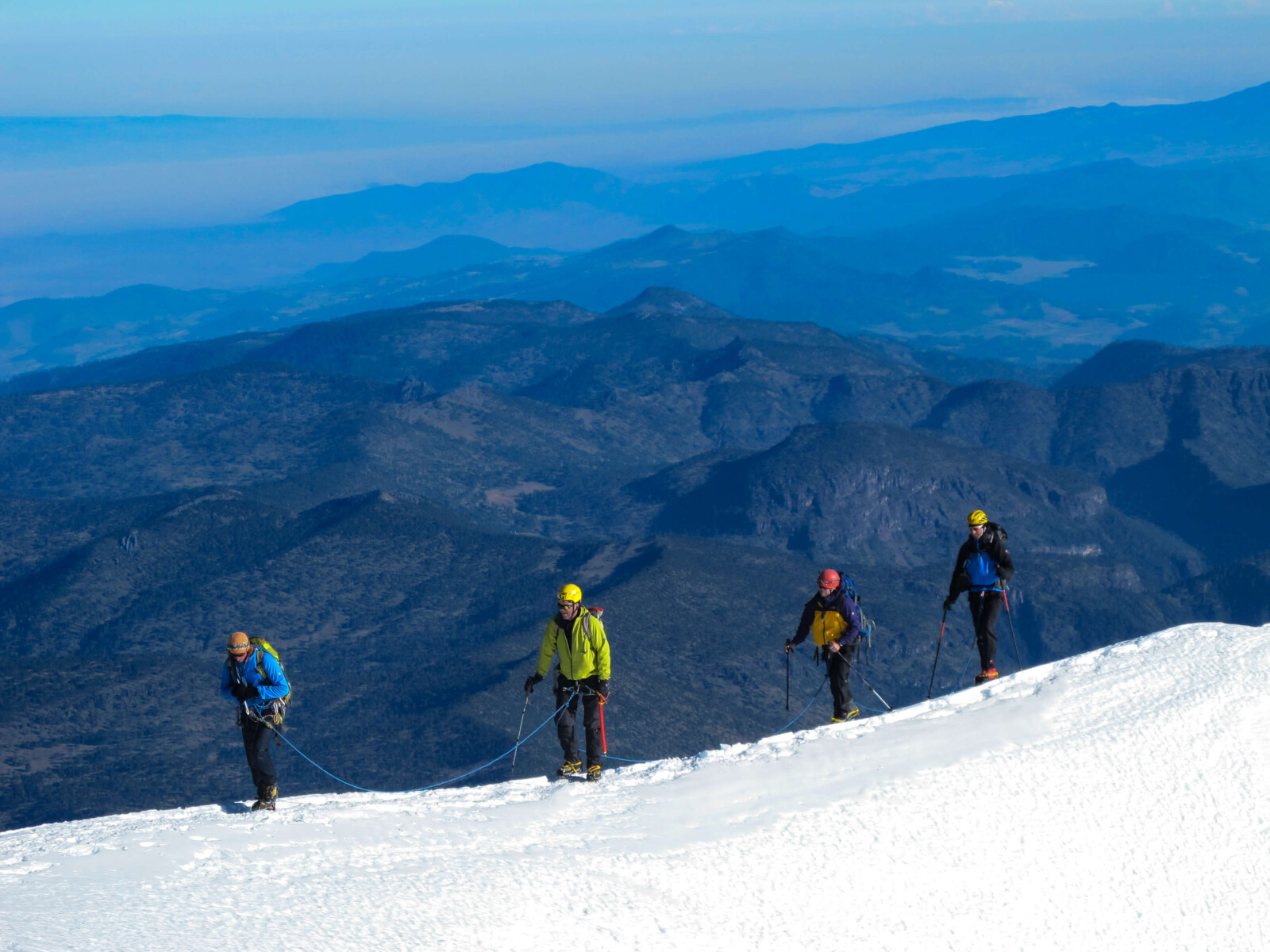
Over ten days you work through progressive acclimatization on three volcanoes, crampon and ice-axe technique, rope-team travel, early alpine starts, changing mountain weather, recovery between summits, and a final climb on the Jamapa Glacier.
Why It Takes Ten Days
Many Orizaba programs are built around getting to the mountain as fast as possible. That cuts days. It doesn’t give climbers the best preparation, and it compresses the one thing that can’t be compressed: the time your body needs to adapt to 18,491 feet.
Our progression is deliberate:
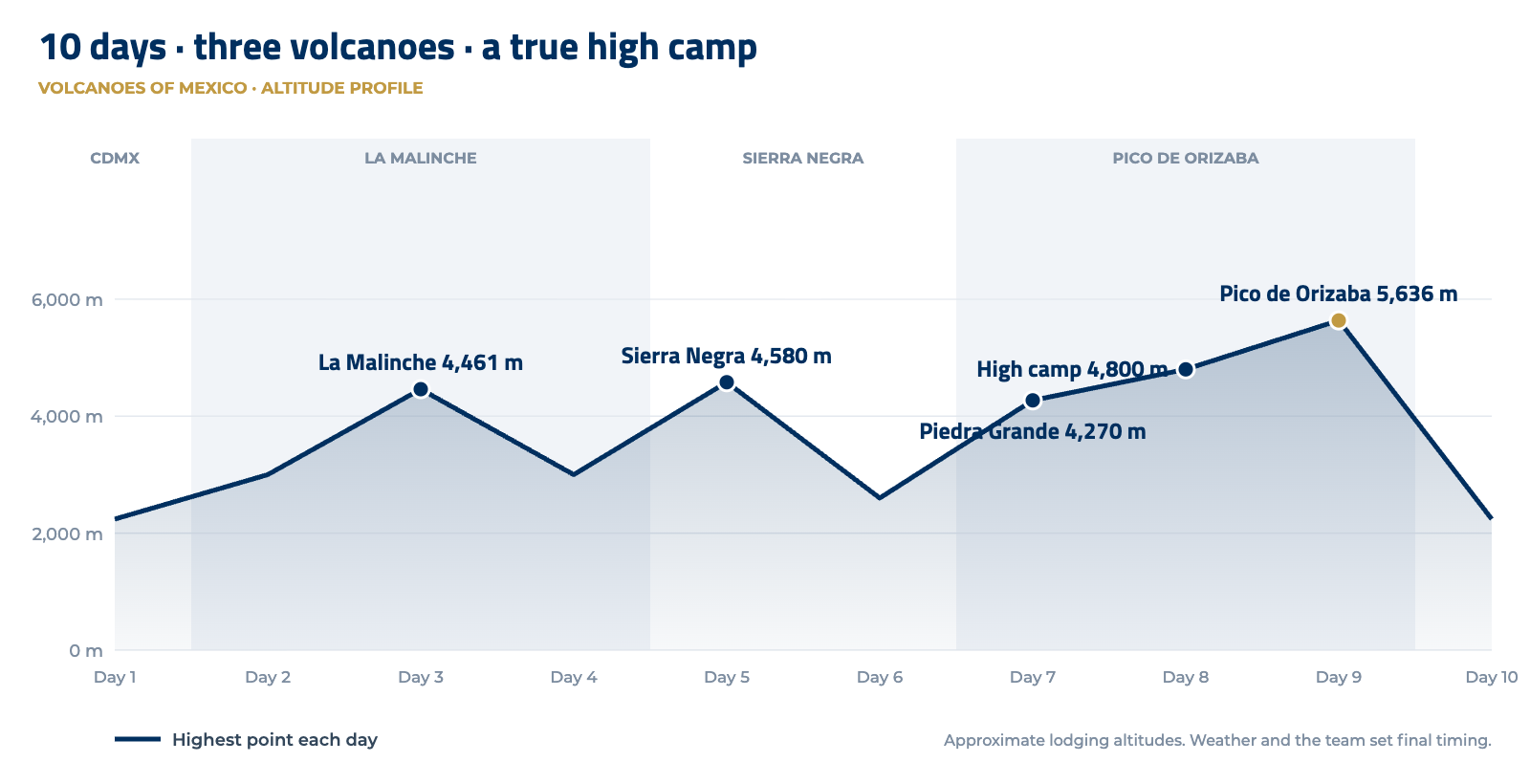
- La Malinche, 14,636 ft / 4,461 m. The first real altitude test. It’s not technical, but it’s sustained, and it’s the first time your guides see how you move, eat, recover and respond above 14,000 feet.
- Sierra Negra, 15,026 ft / 4,580 m. Higher again, after a recovery day. It’s a second long day at altitude without Orizaba’s technical demands, and a second look at how you’re adapting.
- Pico de Orizaba, 18,491 ft / 5,636 m. Base camp at Piedra Grande, 14,010 ft / 4,270 m, then a tented high camp at 15,748 ft / 4,800 m below the Labyrinth before the summit attempt.
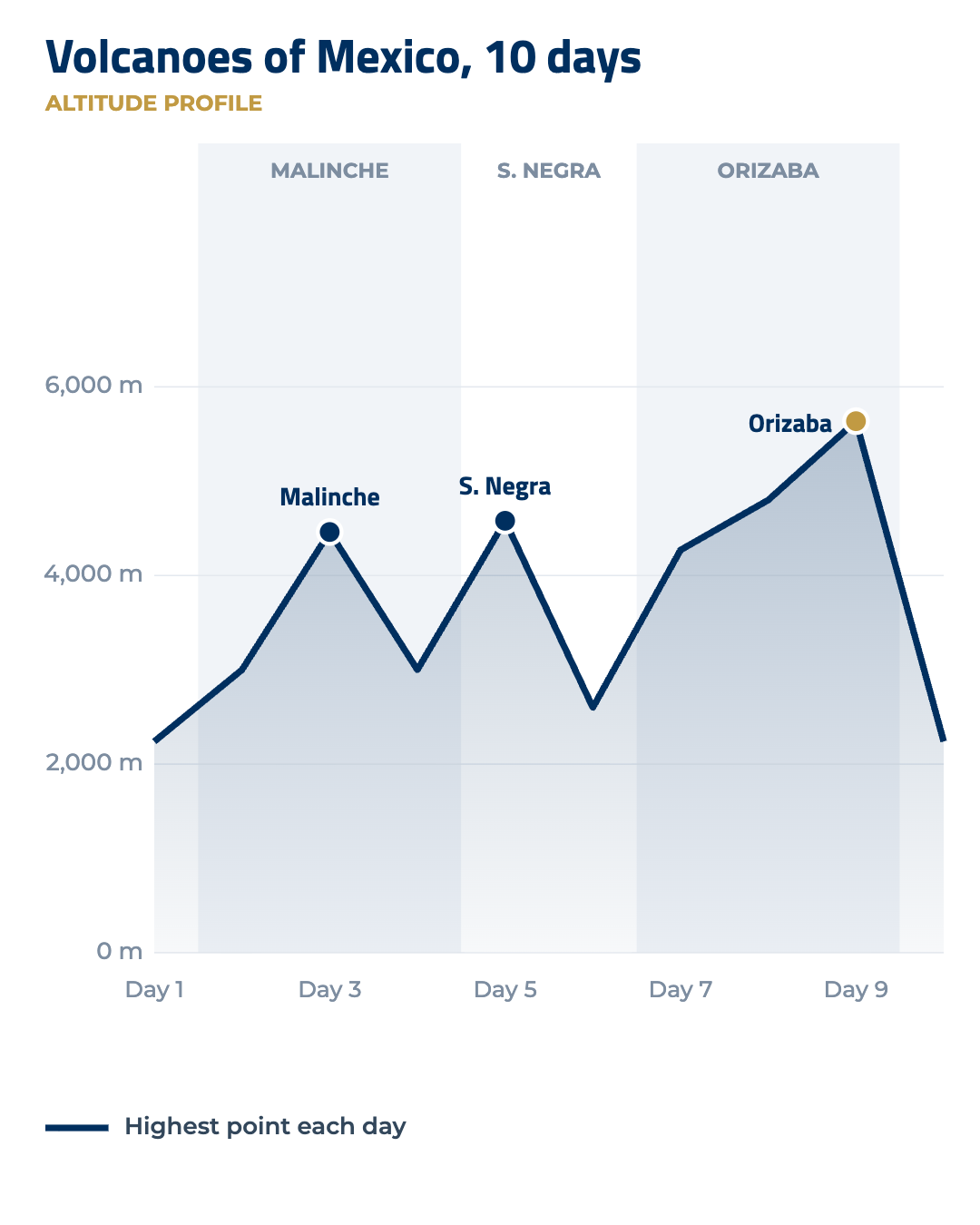
The acclimatization climbs aren’t filler before Orizaba. They’re part of the expedition, and part of how you develop as a climber.
Acclimatization: Climb High, Sleep Low
Your body adapts while it rests, not while it works. The itinerary builds that in:
- A first night in Mexico City at 7,382 ft
- Two nights at haciendas at about 8,200 ft, around the La Malinche climb
- A recovery day, then three nights in Ciudad Serdán with Sierra Negra in between
- One night at Piedra Grande, then one at high camp, before the summit
The High Camp Matters Twice
First, it takes hours off summit day. You reach the glacier earlier and have more left for the descent.
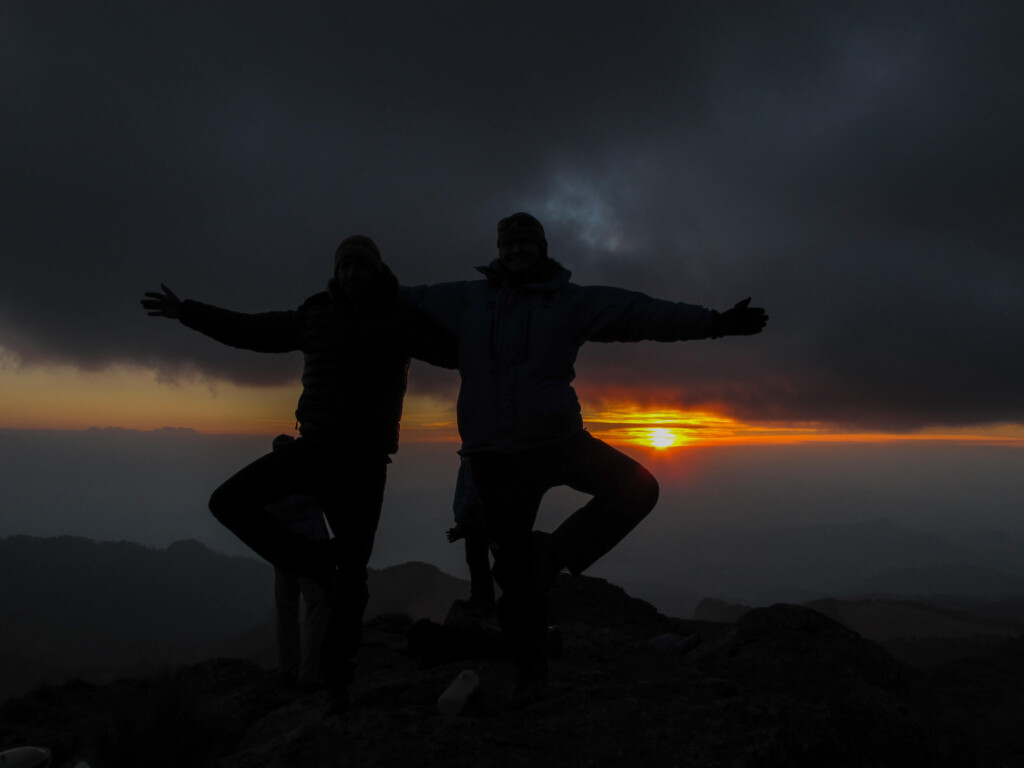
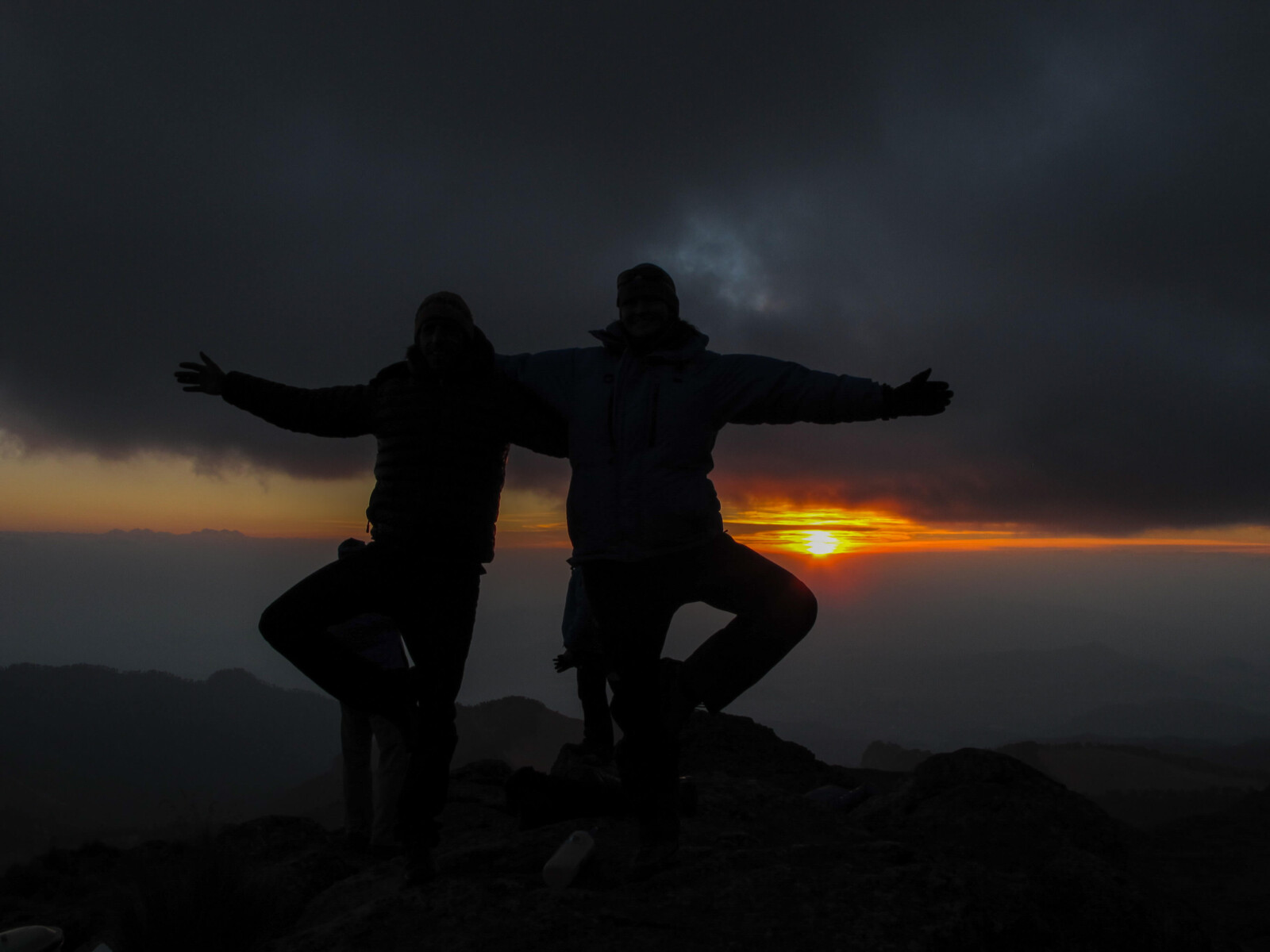
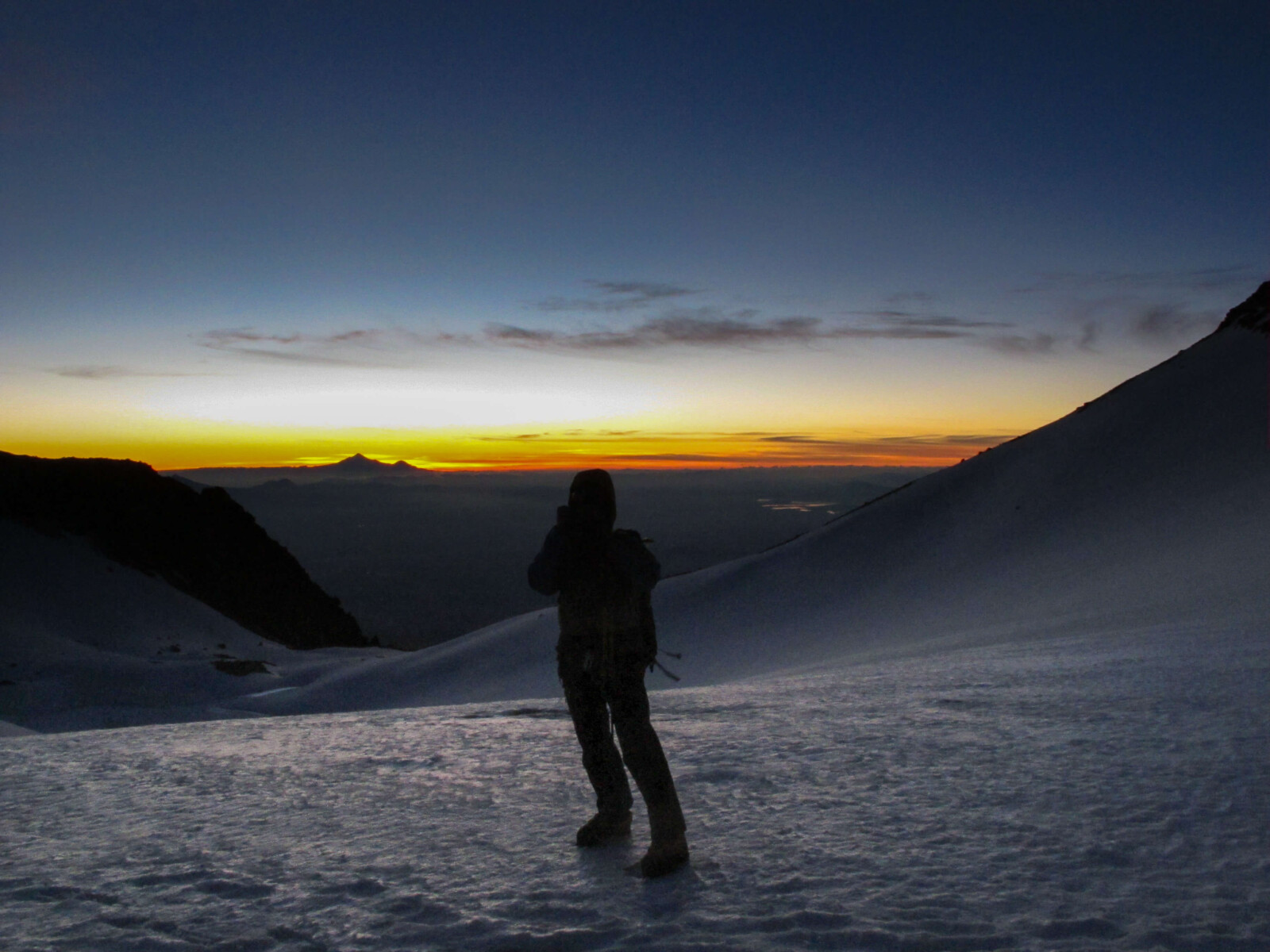
Second, the night itself is part of what you came for: sleeping high on the mountain, watching the weather move across it, getting up in the cold to climb. A trip that drives to the road head and pushes for the top can’t give you that.
Porters Carry the Gear
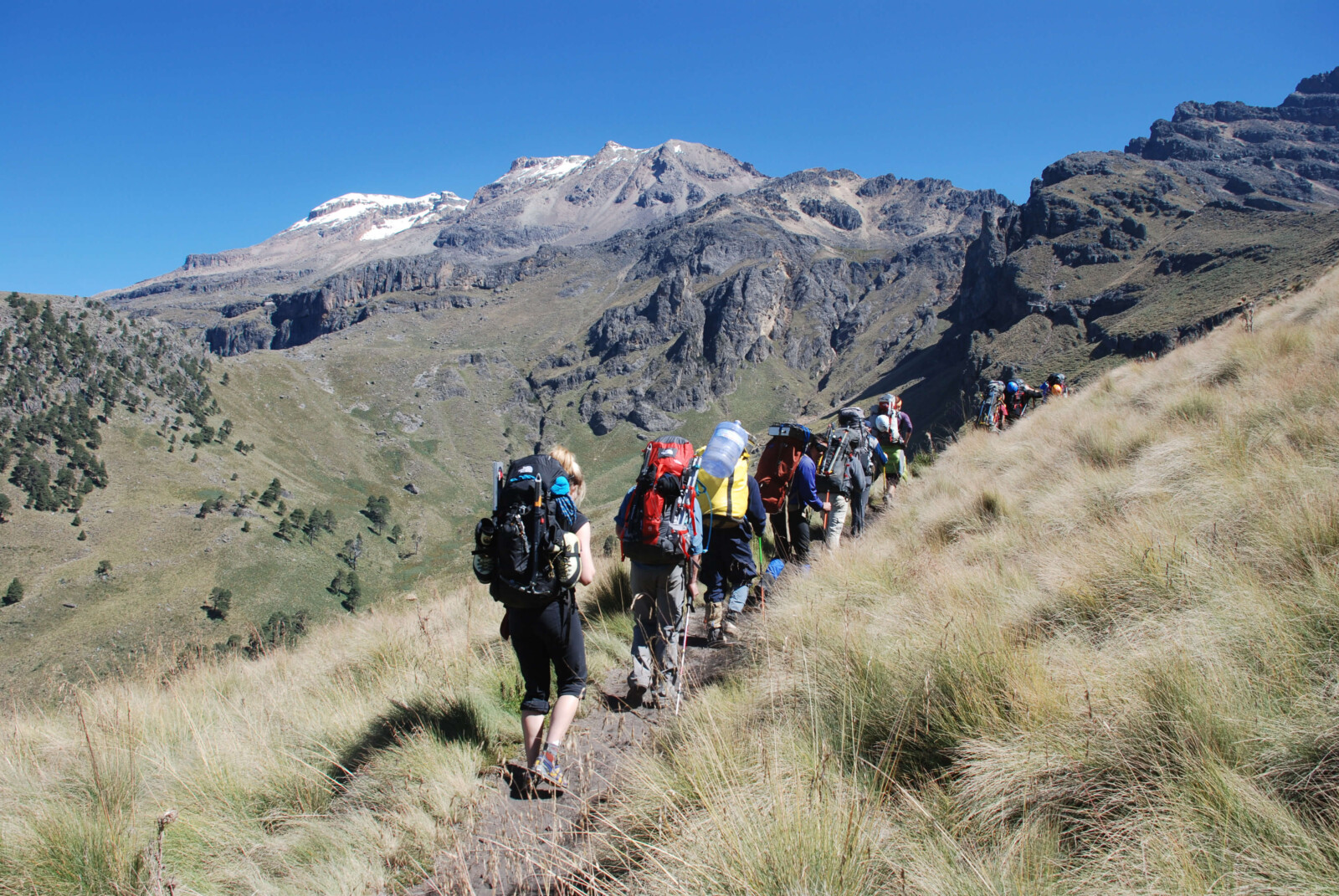
On every BBE Mexico program, our porters carry all the gear: your duffel, the tents, the kitchen, the food and the fuel, including on the move to high camp. You climb with a day pack holding your layers, water, food and camera.
On a ten-day expedition with three summits, this matters. Reaching each camp with energy left is what lets the progression work. It’s a big part of why climbers finish this trip stronger than they started, rather than worn out.
Small Teams, and a Plan That Can Move
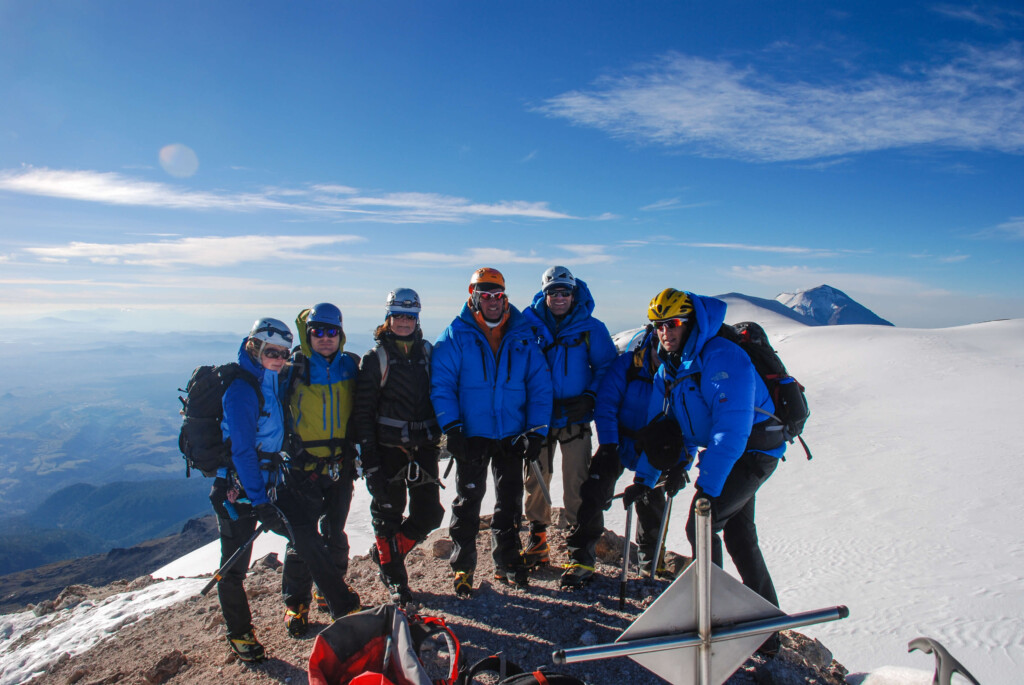
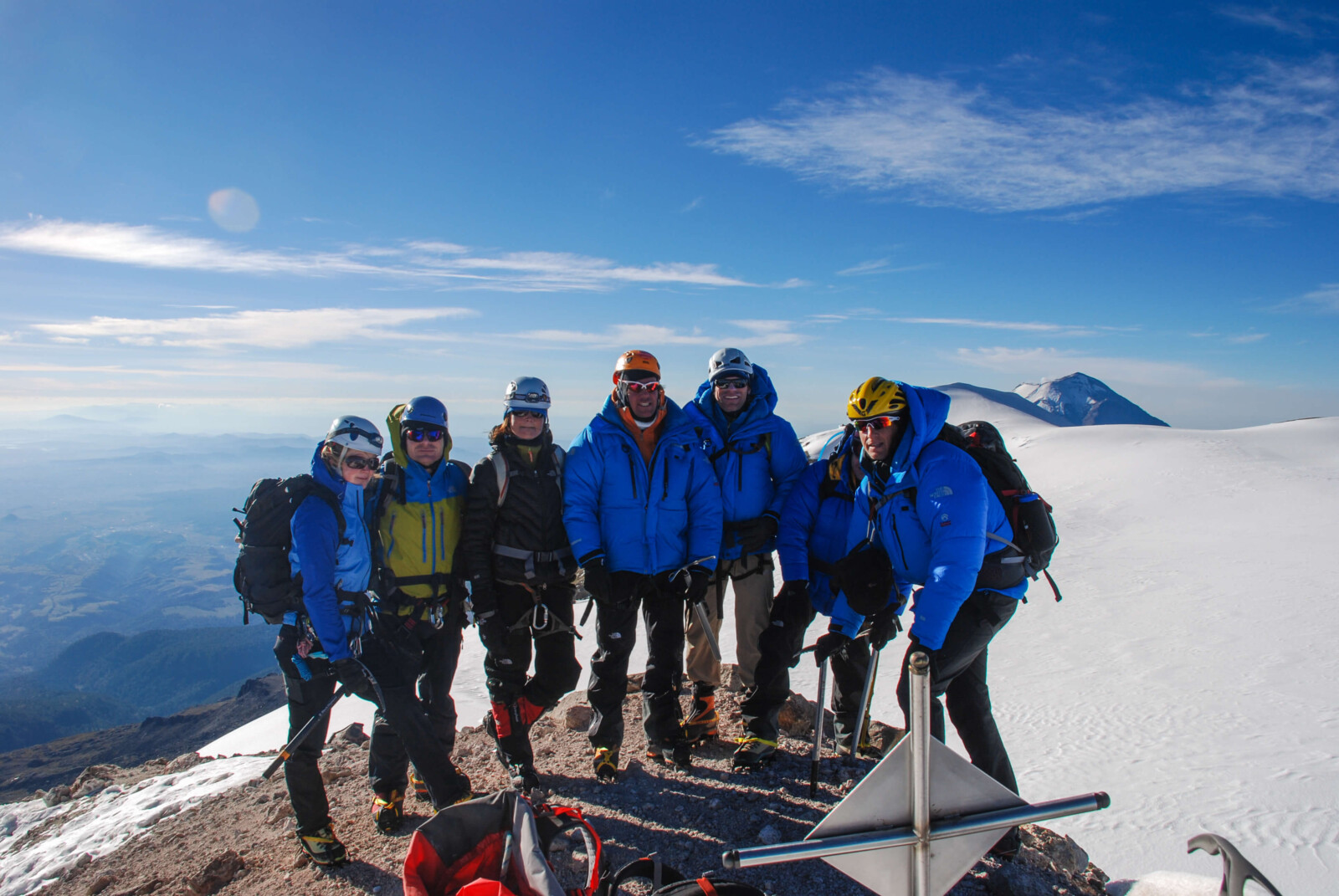
Scheduled departures are capped at six climbers, with one guide for every two climbers on the glacier. Small teams let your guides get to know each climber, watch how each person is acclimatizing, give real instruction, and respond when conditions or individual needs change.
Small teams can also move. The printed itinerary is a plan, not a promise. The order of the acclimatization climbs, the move to Piedra Grande, the move to high camp and the summit departure can all shift within the ten days as the forecast develops. If the best window on Orizaba falls a day either side of the schedule, a team of six can be standing in it. A large group usually can’t. You will never disappear into the group.
The Guide Team
Our Mexico program is built and managed to IFMGA standards. It’s led by professional mountain guides certified by IFMGA, AMGA or an equivalent national body, working with experienced Mexican guides and strong local logistics.
We bring the same standard to Mexico that Benegas Brothers Expeditions has built over decades of expeditions in the Andes, Alaska and the Himalaya: small teams, personal attention, honest communication, conservative decisions, and no pressure to summit when the mountain says otherwise.
Safety
- Certified professional lead guides and a guide ratio of 1:2 on the glacier
- Emergency communication equipment carried by the guide team
- A group medical kit on every climbing day
- Daily monitoring of every climber’s pace, hydration, appetite and recovery
- Turnaround decisions based on safety and the team’s ability to descend well, not on how close the summit looks
Turning around is sometimes the right decision. When it is, your guide makes it early and clearly.
More Than a Summit
Reaching the top of Pico de Orizaba is the main objective, and no summit is ever guaranteed. Altitude, weather, snow and glacier conditions, health and team performance all shape the final decision.
A good expedition is measured by more than the highest point you reach. By the time you leave, you’ll know how your body responds above 14,000, 16,000 and 18,000 feet, how to manage equipment through a cold alpine start, how a high camp works, and how you recover across back-to-back mountain days. That knowledge doesn’t expire.
Accessible Doesn’t Mean Easy
Mexico is one of the more approachable ways into high-altitude mountaineering. It’s not a soft option.
Summit day on Orizaba usually starts around 1 a.m. and takes about eleven hours round trip. You’ll be climbing in the cold and the dark, on legs that have been working all week. Reaching the summit is only half the day. You still have the whole descent.
Altitude illness is a real risk, and fitness doesn’t prevent it. Your guides may tell you to stop climbing or to descend if continuing would be unsafe, and that decision is final.
Mexico isn’t designed to be a full introductory glacier course. Our Ecuador Mountaineering School may be a better place to start. Talk to us first.
Who This Climb Suits
This trip suits fit hikers, trekkers, skiers and developing mountaineers who want:
- Their first major high-altitude peak
- Supervised experience with glacier-travel systems
- Preparation for Aconcagua, Denali or another larger expedition
Previous glacier experience is recommended. If you don’t have it, talk to us about the right way to prepare, including our Ecuador Mountaineering School. For an honest look at the demands, read Is This for Me?
One Mountain. Two Ways to Climb It.
Which program fits depends more on the time you have than on your experience.
Both programs cover all in-country costs. Both are capped at six climbers, and on both, porters carry all the gear. Every climber speaks with a guide before booking.
Volcanoes of Mexico Expedition — 10 Days. This is our main Mexico expedition, and the one we recommend for most climbers. We don’t drive to the mountain and push for the summit. Instead we climb three volcanoes, each one higher than the last: La Malinche, then Sierra Negra, then Pico de Orizaba. There’s real recovery between them, a base camp at Piedra Grande and a tented high camp below the Labyrinth. The acclimatization is built into the trip, so you don’t have to arrive with it. Best for: climbers taking their first serious step into high altitude, and anyone preparing for a bigger expedition.
Short on time? The seven-day Pico de Orizaba Express climbs the same mountain on a compressed plan. It’s built for climbers who arrive fit and ideally with recent time at altitude. It costs more and includes less instruction. We’ll tell you honestly which one fits.
Plan Your Volcanoes of Mexico Expedition
Ready to Talk It Through?
Tell us what you’ve climbed, how you train, the highest altitude you’ve reached, and what you want this expedition to do for you. We’ll tell you honestly whether it fits. Every climber we guide speaks with us before booking. We’d rather spend twenty minutes helping you choose than have you book the wrong trip. We don’t simply guide expeditions. We help people build a lifetime in the mountains. See dates & prices. · climbing@benegasbrothers.com