US AdventuresSkiing Adventures USA Washington

Mount Baker Ski Descent

Mount Baker — 10,781 ft, North Cascades, Washington

3 days Group: 3 skiers per guide $1,400 per person

The Trip

Mount Baker Ski Descent · Mount Baker, Washington

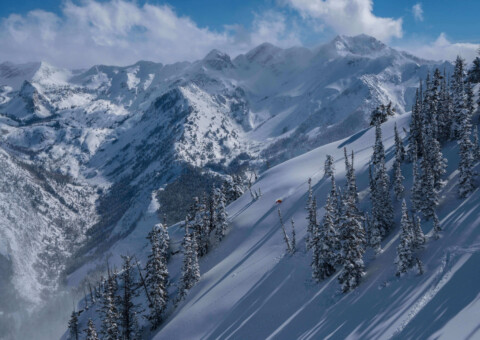
In the Wasatch you ski a line. On Baker you ski a mountain.

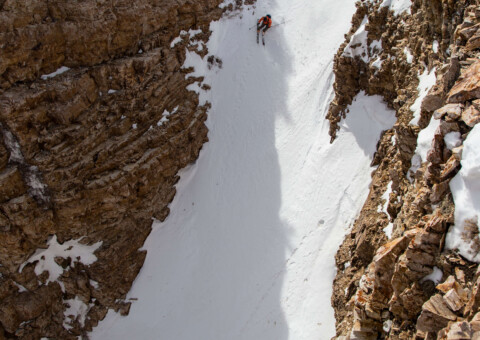
A couloir is a few hundred feet of commitment. A glaciated volcano is thousands of feet of continuous descent from high on the peak, in one long run, on terrain that only exists where a mountain carries its own icecap.

Duration3 days
Group3 skiers per guide
Price$1,400 per person
ExperienceStrong intermediate skier or rider, with touring experience
SeasonApril–June
WhereMount Baker, Washington

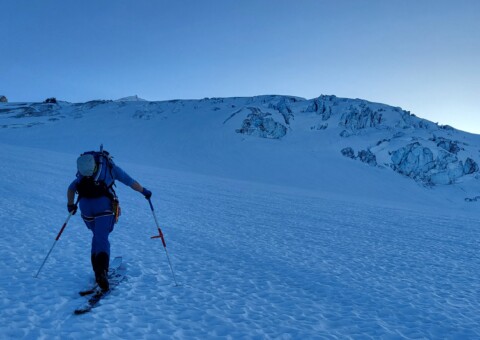
Three days: skin in and set up camp, spend a day on the glacier systems, then climb high on the mountain and ski down it.

You need to be a strong skier. You don’t need to have been on a glacier before—that’s what day two is for, and it’s why this trip is where many people make the jump from backcountry skiing to ski mountaineering.

Quick facts

Length 3 days, 2 nights at high camp
Summit 10,781 ft / 3,286 m
Descent Up to about 7,000 vertical feet when the snow reaches the trailhead
Ratio 3 skiers per guide
Ability Strong intermediate skier or rider, with touring experience
Season April–June
2027 dates May 25–27 and May 29–31, or on request April–June
Rate $1,400 per person

What makes this different from a ski tour

The glacier. You travel roped on the way up, moving as a team, thinking about crevasses under the snow rather than just the snow itself. Those are the skills that separate a backcountry skier from a ski mountaineer.

The descent. From high on the mountain, with the summit above you and the valley far below. In a good snow year, you can ski from the top all the way to the parking lot—up to about 7,000 vertical feet. In a thinner year, the snow ends higher and you walk the last stretch. The snowpack decides; we’ll tell you what to expect as your dates approach.

Season: April to June

This is a spring corn trip. Snow on a big volcano goes through a daily cycle—frozen firm at dawn, softening through the morning, heavy by afternoon.

April holds a deeper, colder snowpack with more winter character. By June the corn cycle is well established and the skiing is more predictable, but the season is closing. Our scheduled departures are at the end of May, when the days are long and the glacier still has good coverage.

Timing that window is most of what your guide does on summit day.

What you’ll learn

Glacier travel on skis—roped movement and spacing

Crevasse hazard recognition and rescue fundamentals

Crampons and ice axe for the sections where the skis go on your pack

Route-finding on a glaciated peak, and reading spring snow through the day

Alpine camp systems

Small teams

Three skiers per guide. On glaciated terrain, ratio is about how quickly a rope team can respond when someone goes into a hole.

Where this leads

The natural step up from Wasatch Ski Mountaineering — Classic Lines: same skills, a bigger mountain, and a glacier underneath. From here: Valdez, the Alaska Range, and ski expeditions.

Prefer to climb it? See the Mount Baker Climb—three routes, May through August.

This is a BBE program. We set the standards, choose the guides and decide how it runs. On the ground it’s operated by Wasatch Mountain Guides, our Utah-based operation, co-owned by Willie Benegas — so registration and payment are completed directly with WMG, and we’ll send you the link when you’re ready.

Questions before you book?

We answer every inquiry personally.
Ask a guide

Day by Day

Three days, one high camp

Carry in, learn the systems, then climb high and ski down.

Conditions decide the details. On a spring volcano, the snowpack and weather change the plan often.

Meet your guide at the trailhead for a full gear check and a briefing.

Then skin in to high camp, between 5,500 and 6,000 feet, carrying three days of kit. It’s a real carry, and the first honest read your guide gets on how the team moves.

Camp setup, and coaching starts right away—siting a tent on snow, staying dry, organizing a pack you can work with in the dark.

Night at high camp.

Roped glacier travel on skis

Crevasse hazard recognition and rescue fundamentals

Crampon and ice axe technique for the sections above where skinning ends

Route planning for tomorrow, and an honest conversation about pace and turnaround times

Early night.

An alpine start, timed to put you high on the mountain as the snow begins to soften.

You climb through the glaciated terrain you worked on yesterday, boot-packing where the angle demands it. Then the reason you came: a long, continuous descent back past camp and out—to the parking lot if the snow allows.

Pack up and ski or hike out. Long day—don’t book a flight for that evening.

A note on turning around

Weather, snow stability, the team’s pace, and the clock all feed the decision. On spring snow, the clock matters more than most people expect—a descent that’s superb at 10 AM can be dangerous at 1 PM. If your guide turns you around, they’ll explain why.

Is This For Me?

Is this for you?

Strong skier, no glacier experience needed.

Skiing ability

Strong intermediate and above. Comfortable on variable snow on steep terrain, with a pack on, when you’re tired. If you can ski steep spring snow confidently with a pack, you’re ready. If your off-piste experience is mostly powder in good visibility, spend a season on variable conditions first.

Splitboarders are welcome on the same terms.

Touring experience

Required. You should be able to skin, transition, and travel efficiently. A glacier is the wrong place to learn your bindings.

Fitness

Strong. A carry to high camp with three days of kit, a full working day, then a pre-dawn climb before the descent. The skiing rewards fresh legs, and the legs you ski on just climbed for hours.

Glacier and mountaineering experience

Not required. Day two exists to build it.

Avalanche training

Not required, but valuable. If you’ve done Avalanche Level 1 or Backcountry Essentials, you’ll follow the reasoning behind your guide’s decisions.

Who this is really for

Backcountry skiers who’ve toured for a few seasons and want their first glaciated volcano

Skiers who’ve done Classic Lines and want a bigger mountain

Anyone building toward Alaska or a ski expedition

Who this isn’t for

Anyone still learning to tour. Start closer to home.

Anyone chasing powder. This is a spring corn trip.

Anyone who needs a summit. Weather closes this mountain regularly.

Age

16 and over. Anyone under 18 needs a parent or guardian to sign the registration documents.

Before You Go

Five things matter most.

1. Train with a pack

Long tours with elevation gain, carrying a heavy pack with your skis on it for part of the way.

2. Dial in your setup

Your touring skis or splitboard, bindings, boots, and skins should be ones you know well and trust on firm snow. Check that your boots take crampons.

3. Sort crampons and rentals early

Crampons, an ice axe, a harness, and a helmet can be rented at REI. Ski crampons are worth having for firm morning slopes. Reserve ahead.

4. Buy your parking pass

You’ll need a Northwest Forest Pass (an Interagency or America the Beautiful pass also works) to park at the trailhead. It isn’t included.

5. Tell us about yourself

Your skiing and touring experience

Any glacier, mountaineering, or avalanche training

Your fitness and recent big days

Injuries, medical conditions, or medication

Where and when you’ll meet

At the trailhead on the morning of day one. Your guide confirms the time and place before the trip.

Travel Planning

Travel planning

Getting here

Mount Baker sits in the North Cascades of northwest Washington.

Bellingham (BLI) is the closest airport, roughly an hour and a half from the trailheads. Seattle–Tacoma (SEA) has far more flights and is about three hours’ drive.

You’ll need a car. There’s no practical public transport to the trailheads, and transport isn’t included.

Where to stay

The night before: Bellingham, or near the trailhead for your route. Bellingham has the most choice.

The night after: book somewhere. You’ll come off the mountain tired and late, and driving to an airport that evening is a poor plan.

Fitting it around a long weekend

Our May 29–31 departure runs over Memorial Day weekend, so the trip costs most people only one or two days of leave.

Insurance

Not required, but strongly recommended. Rescue and evacuation costs are your responsibility, and cancelling fewer than 14 days out forfeits the trip fee. Check that your policy covers ski mountaineering and glacier travel.

Gear and Equipment

Gear and equipment

A full kit list goes out on registration. These are the essentials.

What we provide

Ropes, anchors, and glacier travel and rescue equipment

Tents and group camp gear

Group cooking equipment

Avalanche transceiver, shovel, and probe if you arrange it in advance

What you bring

Your ski touring or splitboard setup, with skins. It needs to handle firm spring snow—this isn’t the trip for a soft powder ski or a binding you’re unsure about.

Touring boots that take crampons. There will be sections where the skis go on your pack.

Ski crampons. Often the difference between skinning and boot-packing a firm morning slope.

Crampons, ice axe, harness, and helmet. Bring your own or rent them.

A pack that carries three days of kit plus your skis.

Layers for cold mornings and warm afternoons—spring on a volcano runs both in the same day. Waterproof shell jacket and pants.

Sun protection. Glaciated spring snow is the most reflective surface you’ll ski on: glacier glasses, high-SPF sunscreen, lip balm.

Sleeping bag and pad rated for camping on snow at 6,000 feet.

Your food for three days.

Human-waste bags. All human waste is packed out on Mount Baker.

Headlamp, water bottles, personal first aid, and toiletries.

Renting gear

REI rents mountaineering equipment—crampons, ice axes, and more. Reserve ahead and tell the store your boot model. If you need touring skis or a splitboard, rent them before you travel and ask us what to look for.

A note on the Cascades

Wetter than most American skiers expect. Rain at camp is possible even in late May. Keep your sleeping bag dry in a waterproof stuff sack or liner.

Daily Life on the Mountain

“Take care of the mountain, and the mountain will take care of you.” It is the Benegas Brothers’ motto, and the rule we climb by.

Daily life on the mountain

High camp

Between 5,500 and 6,000 feet, on snow or rock depending on the route and the season. You’ll share a tent and help set up and run camp—part of what you’re here to learn.

Food and water

You bring your own food; we provide group cooking equipment. Water comes from melting snow or from streams, treated. Drink more than you think you need.

Toilets and Leave No Trace

There are no facilities at high camp. All human waste is packed out in waste bags—it’s on your gear list—and your guides will show you how. We leave camp as we found it.

Staying dry and warm

Cascade weather changes fast. Keep your sleeping bag and a dry set of base layers protected at all times, and put on insulation before you get cold.

Sleep

The night before summit day is short. Lie down early, eat something before bed, and lay out your kit so you can find it in the dark.

When it gets hard

It will, at some point—usually on the carry or the long descent on tired legs. Your guides are watching the whole team and will adjust the pace and plan.

What to Budget For

What to budget for

The trip

Ratio Rate per person
Mount Baker Ski Descent · 3 days, 2 nights at high camp 3 skiers per guide $1,400

What’s included — and what isn’t

Included

  • Professional guide for three days
  • Ropes, anchors, and glacier travel and rescue equipment
  • Tents, group camp gear, and group cooking equipment
  • Avalanche transceiver, shovel, and probe if arranged in advance
  • Instruction throughout
  • Skiing under Wasatch Mountain Guides’ permit

Not included

  • Trailhead parking pass — A Northwest Forest Pass, or an Interagency / America the Beautiful pass
  • Food — Three days, including camp dinners and breakfasts
  • Touring setup — Skis or splitboard, skins, boots
  • Climbing gear — Crampons, ski crampons, ice axe, harness, helmet—rent at REI if needed
  • Personal camping gear — Pack, sleeping bag, pad, clothing
  • Transport — A rental car or your own vehicle
  • Lodging — The night before and the night after
  • Flights — Into Seattle or Bellingham
  • Gratuities — Customary — 15–25% is standard. Cash is always appreciated, and every WMG guide also accepts Venmo.
  • Trip insurance — Not required, strongly recommended
The realistic total

For a skier flying in: the trip, flights, a rental car, two nights of lodging, food, the parking pass, and any rentals. If you don’t own crampons and a glacier-ready kit, those are the biggest extras—ask us before you buy.

Payment and cancellation

Full payment is due when you register with WMG. Cancel more than 30 days out and you can take full credit toward a later date, or a refund less a 5% fee. Between 14 and 30 days you can move dates but not get a refund. Inside 14 days the fee is not refundable, for any reason. Full terms are on Dates and Prices.

Your Questions

More questions? Booking, payment, cancellation, insurance and tipping are answered in the General FAQ — US Adventures. Choosing between our backcountry ski programs is covered in the Backcountry Skiing & Splitboarding FAQ.

From high on the mountain toward the trailhead—up to about 7,000 vertical feet in a good snow year, when you can ski to the parking lot. In a thinner year, the snow ends higher and you walk the last part. We’ll tell you what to expect as your dates approach.

Strong intermediate and above, comfortable on variable spring snow on steep terrain with a pack, when tired.

No. Day two teaches it.

Yes, on the same terms as skiers.

April through June. Our scheduled departures are at the end of May—long days, an established corn cycle, and good glacier coverage. Other dates in the season are available on request.

Three skiers per guide.

Yes. Bring your own transceiver, shovel, and probe, or we provide them if you arrange it in advance.

No. Bring your own for three days; we provide group cooking equipment.

Everything is packed out. Waste bags are on your gear list.

Your guide times the descent around the snow and may change the plan. If conditions make the descent unsafe, the team turns around.

There’s real risk that can be managed but not removed: crevasses, avalanches, falls on firm snow, and weather. What manages it is rope discipline, route choice, timing the snow, and a guide reading the mountain all day—judgment, not certainty.

Please don’t. Day three is long, and you’ll be a few hours from an airport.

Yes—see the Mount Baker Climb, May through August.

Valdez, the Alaska Range, and ski expeditions.

Dates & Prices

Dates and prices

Rate

Ratio Rate per person
Mount Baker Ski Descent · 3 days 3 skiers per guide $1,400

2027 departures

Tuesday May 25 – Thursday May 27, 2027

Up to 3 skiers per guide

Saturday May 29 – Monday May 31, 2027

Up to 3 skiers per guide

The two departures run back to back, so the same guide is already on the mountain and current on the snow. May 29–31 runs over Memorial Day weekend.

On request

The season runs April through June. Other dates, private teams, or a date that suits you—call or email us.

What’s included — and what isn’t

Included

  • Your guide for three days
  • Ropes, anchors, and glacier equipment
  • Tents, group camp gear, and group cooking equipment
  • Avalanche transceiver, shovel, and probe if arranged in advance
  • Instruction throughout
  • Skiing under Wasatch Mountain Guides’ permit

Not included

  • The trailhead parking pass
  • Food
  • Personal gear and rentals
  • Transport
  • Lodging
  • Flights
  • Gratuities
  • Insurance

See What to Budget For.

How to book

Contact us with your dates, group size, and skiing and touring background.

We talk it through and confirm the trip fits.

We confirm your place and send you the registration link.

You register directly with Wasatch Mountain Guides. The link is WMG-branded; that’s expected. You’ll complete the application, sign the acceptance of risk, and pay in full there.

You receive a kit list, travel guidance, and your guide’s contact details.

Payment and cancellation

Payment. Full payment is due when you register with Wasatch Mountain Guides — card, PayPal, check or wire.

If you cancel

If we cancel

Before the trip, for weather, hazard or conditions: move to a later date, or take a credit that never expires.

Before the trip, for low enrollment: WMG will contact you as early as possible. You choose a full refund, a credit or a later date, or running it as a private trip at a reduced rate.

Partway through: partial credit, based on the time you spent in the field.

Once the trip starts, there are no refunds for weather or conditions. Your guide will change, shorten or turn the day around when the mountain calls for it. That is the job, and it’s the judgment you’re paying for.

Guides may remove anyone whose ability or conduct puts themselves or the team at risk. There is no refund in that case, and any cost of leaving is yours.

Rescue and evacuation costs are your responsibility. We strongly recommend trip insurance that covers both cancellation and backcountry rescue and evacuation. Many standard travel and health policies cover neither.

Full terms: Wasatch Mountain Guides Reservation, Cancellation and Refund Policy.

This is a BBE program. We set the standards, choose the guides and decide how it runs. On the ground it’s operated by Wasatch Mountain Guides, our Utah-based operation, co-owned by Willie Benegas — so registration and payment are completed directly with WMG, and we’ll send you the link when you’re ready.

When you cancel What happens
More than 30 days before Full credit toward a later date, or a refund less a 5% fee
14 to 30 days before Move to a later date, subject to availability. No refund.
Fewer than 14 days before No refund or reschedule — for any reason, including injury, illness, weather or travel delays
In the Wasatch you ski a line. On Baker you ski a mountain.

A couloir is a few hundred feet of commitment. A glaciated volcano is thousands of feet of continuous descent from high on the peak, in one long run, on terrain that only exists where a mountain carries its own icecap.

Price$1,400 per person
Private & Custom Your dates. Your team.

This trip can run privately, on the dates that work for you.

Scheduled departures
  • Tuesday May 25 – Thursday May 27, 2027
  • Saturday May 29 – Monday May 31, 2027

Questions first? Ask a guide

Location:
Mount Baker, Washington
Group:
3 skiers per guide
Duration:
3 days
Skill:
Strong intermediate skier or rider, with touring experience
Pricing

All prices are in US dollars.

In the Wasatch you ski a line. On Baker you ski a mountain.

A couloir is a few hundred feet of commitment. A glaciated volcano is thousands of feet of continuous descent from high on the peak, in one long run, on terrain that only exists where a mountain carries its own icecap.

Book now

Private & Custom

Make Mount Baker Ski Descent your own expedition

Every trip we run can also run privately: on your dates, with your people, built around your goal. Same guides, same safety standard as our scheduled departures.

Your dates

We set the departure around your calendar, not the other way round.

Your people

Family, friends, a company team, or just you and a guide.

Your goal

Training for a bigger peak, a winter or speed attempt, a film, or a route that runs from summit to ocean.

Your price

Private trips are quoted for your group size, dates and plan.

Professional Mountain Standards

Our guide team includes internationally and nationally certified mountain professionals.

AMGA — American Mountain Guides Association logo
IFMGA / UIAGM — International Federation of Mountain Guides Associations logo
AAGM — Asociación Argentina de Guías de Montaña logo

Related Trips