The Climb
Mount Vinson · Sentinel Range, Ellsworth Mountains · Antarctica · Private expedition by inquiry
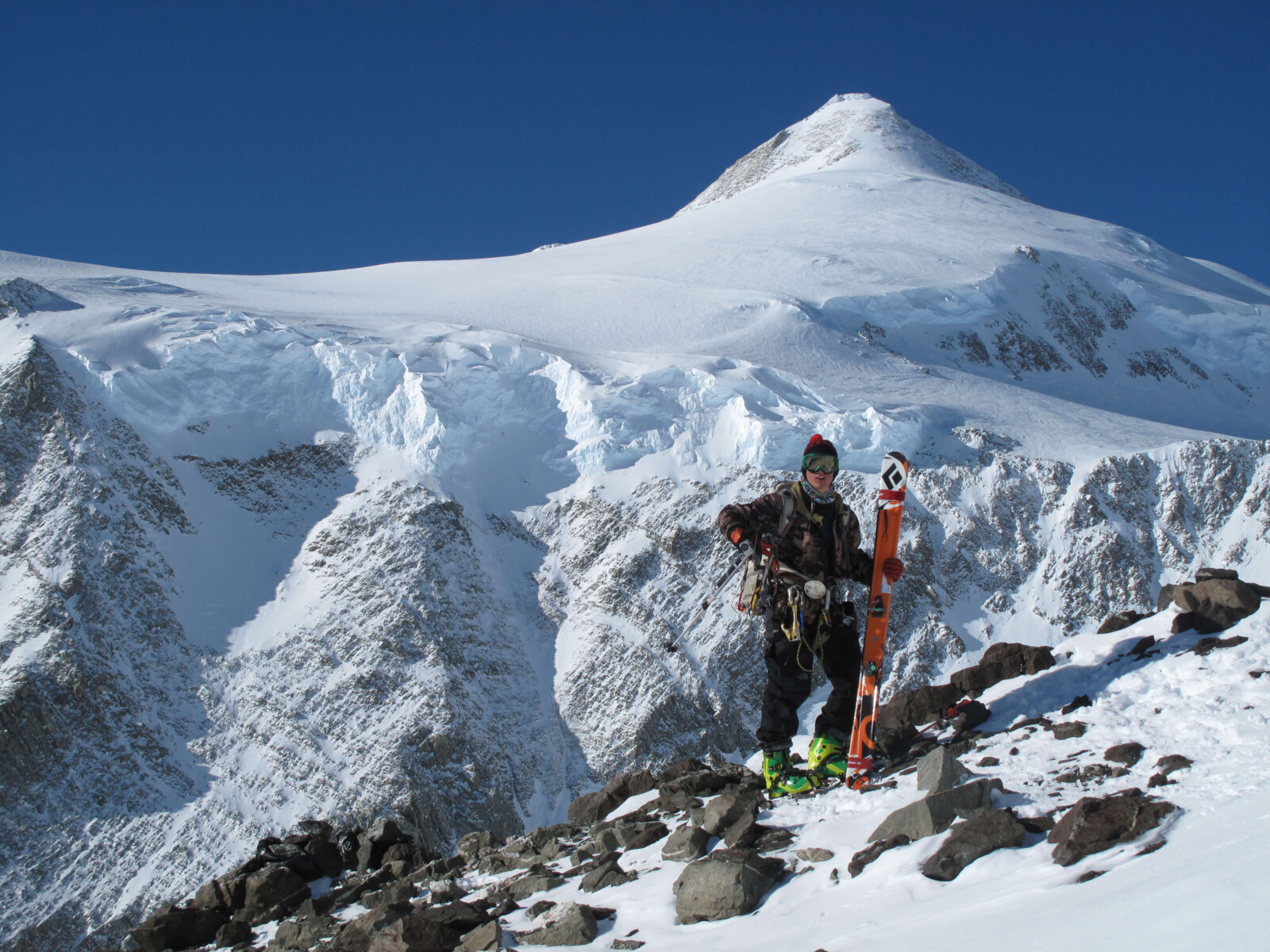
At the far end of the world, beyond the southern oceans and the last inhabited outposts, a mountain rises above a wilderness of glaciers and ice.
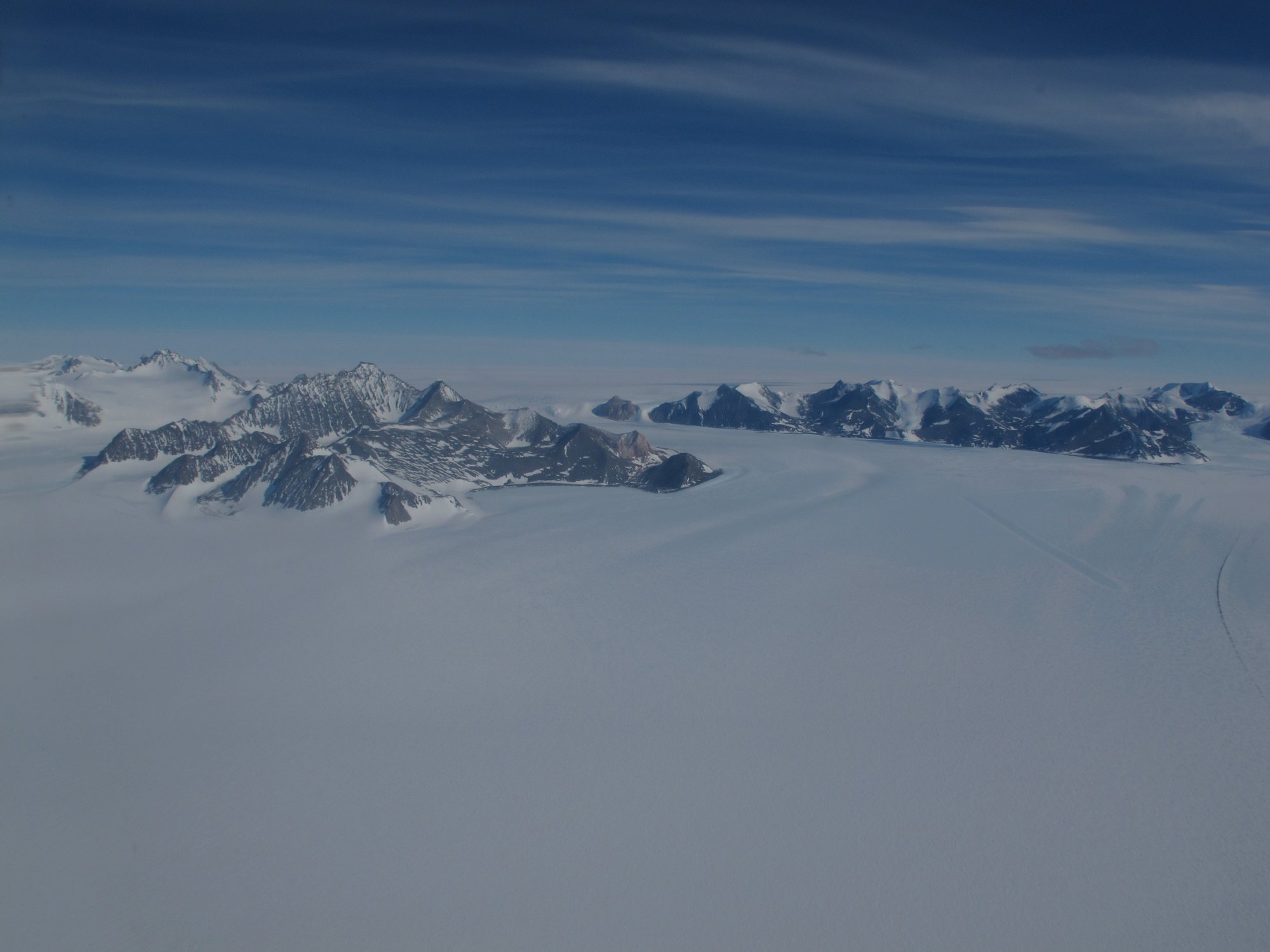
Mount Vinson is the highest mountain in Antarctica. At 4,892 meters (16,050 feet), it is one of the Seven Summits—and one of the most remote major mountains a climber can attempt.
Here, altitude is only part of the story. The real challenge is Antarctica itself: intense cold, changing weather, enormous distances and the responsibility of living and climbing in an environment with very little margin for error.
There are no roads to the mountain. No villages along the approach. No easy retreat.
Just the mountain, the team, and the vast silence of Antarctica.
For those who have spent years climbing mountains, Vinson offers something rare: an expedition where the journey to the mountain is almost as extraordinary as the climb itself.
Private expedition inquiries welcome. Ask a Guide About Vinson
Expedition Overview
Mount Vinson
4,892 m / 16,050 ft
Sentinel Range, Ellsworth Mountains, Antarctica
Antarctica
Highest mountain in Antarctica
Branscomb Glacier / Branscomb Shoulder
Approximately 16 days from Punta Arenas, plus additional contingency
Antarctic summer, typically late November through January
Punta Arenas, Chile
Very demanding
Moderate snow and glacier mountaineering; potentially steep fixed-rope sections
Advanced experience — previous serious glacier and expedition mountaineering.
Private team; confirmed in proposal
By private inquiry
Custom quotation
Private inquiries only; no scheduled public departure currently confirmed
All information concerning dates, guiding arrangements, transport, inclusions and pricing is provisional until confirmed in a written BBE expedition proposal.
Antarctica — Beyond the Familiar World
Most mountains exist within a landscape we recognize. There are roads, villages, valleys and people who live nearby.
Vinson is different.
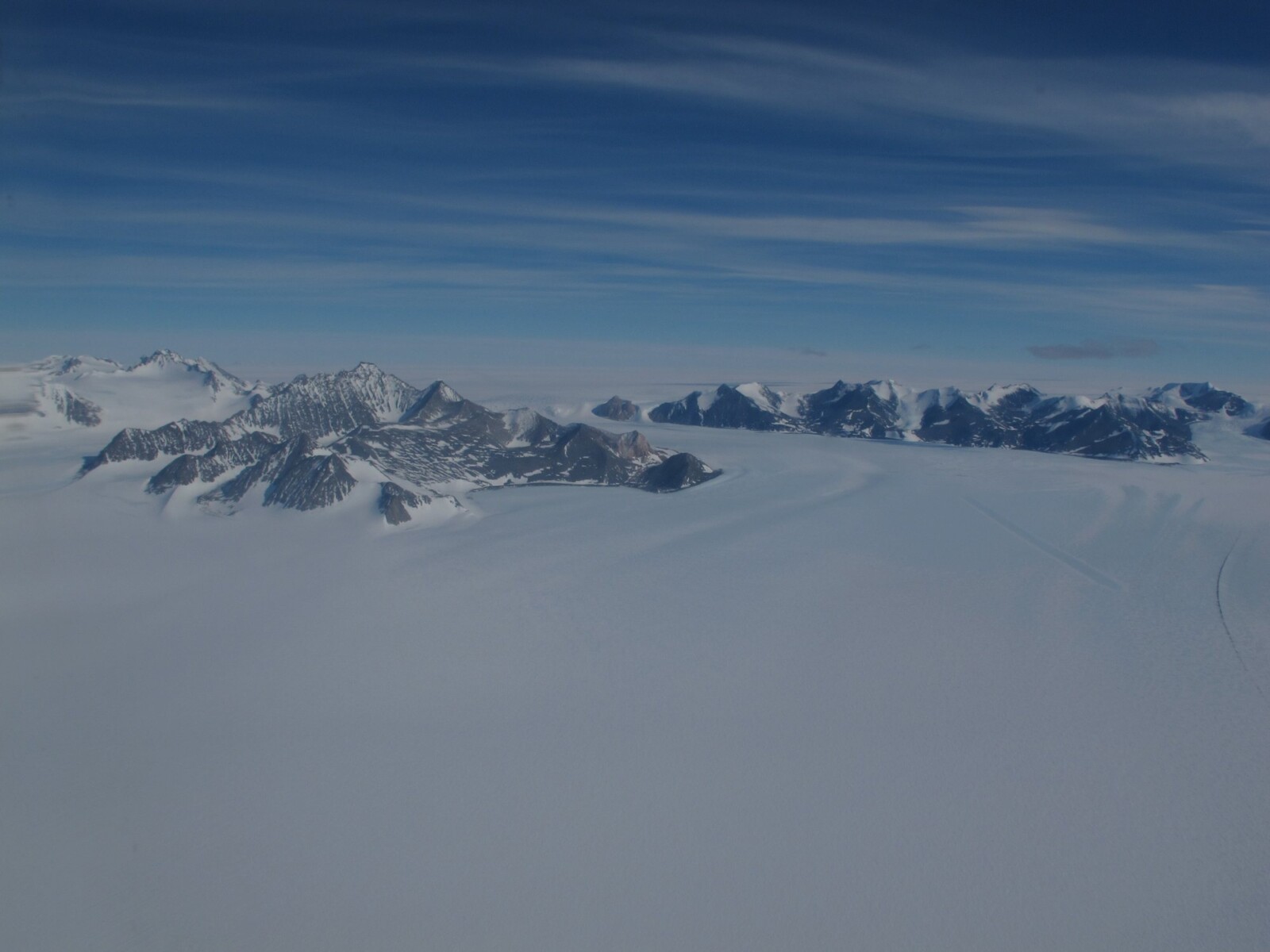
The Sentinel Range rises from the deep interior of Antarctica, surrounded by ice stretching farther than the eye can follow. The scale is difficult to understand until you are standing there.
The air is dry. The sunlight can last around the clock during the climbing season. Distances are deceptive. Snow and ice define almost everything.
Temperatures can fall dramatically, especially when the wind rises.
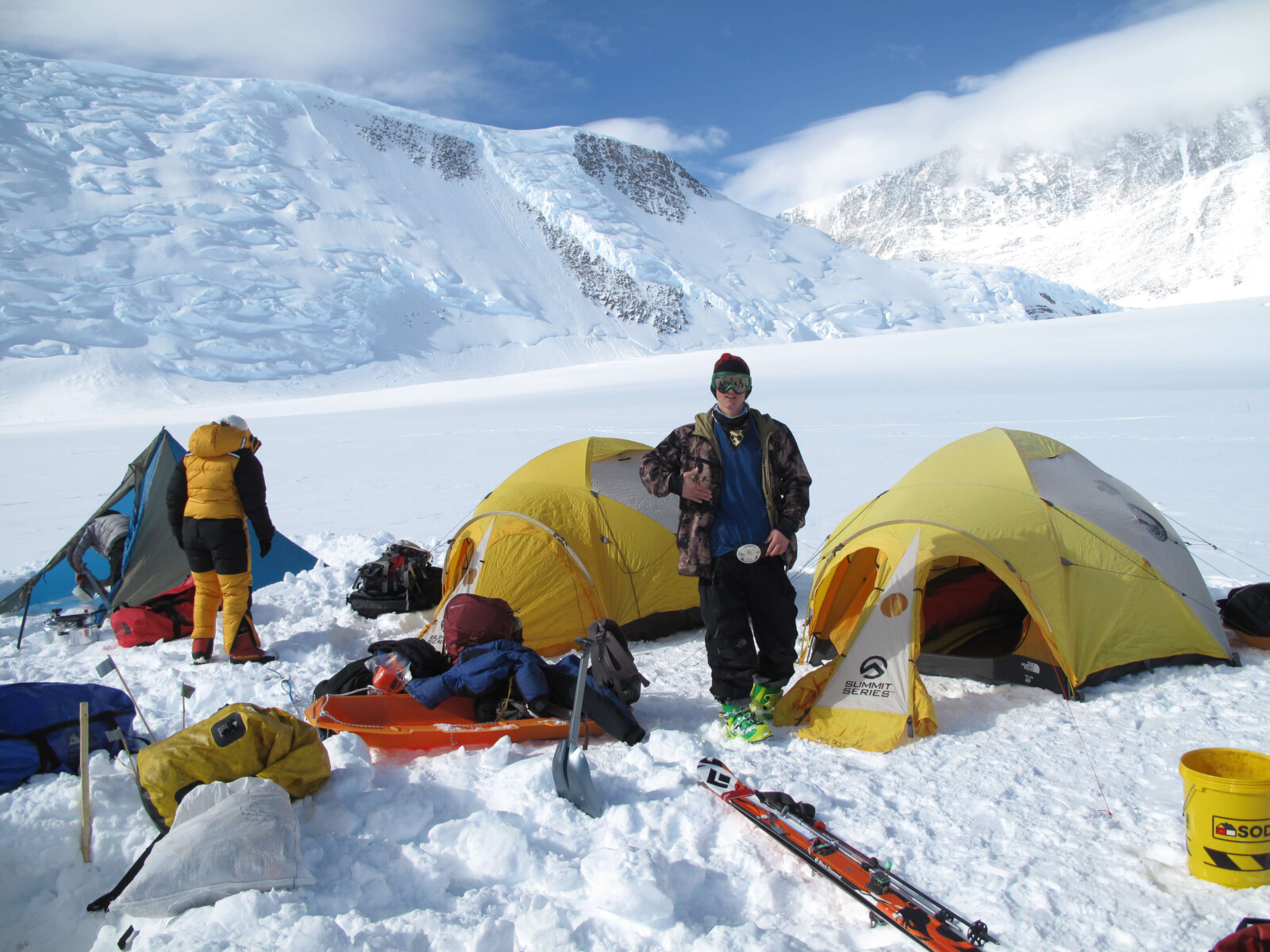
It is an extraordinary landscape, but it demands respect. Simple activities—putting on boots, preparing food, keeping batteries warm, securing a tent—become important parts of expedition life.
This is the environment we prepare for before thinking about the summit.
The Mountain and the Route
Our proposed itinerary follows the established Branscomb Glacier route, the standard approach to Mount Vinson.
The climbing begins at Vinson Base Camp, on the Branscomb Glacier, at approximately 2,140 meters (7,020 feet).
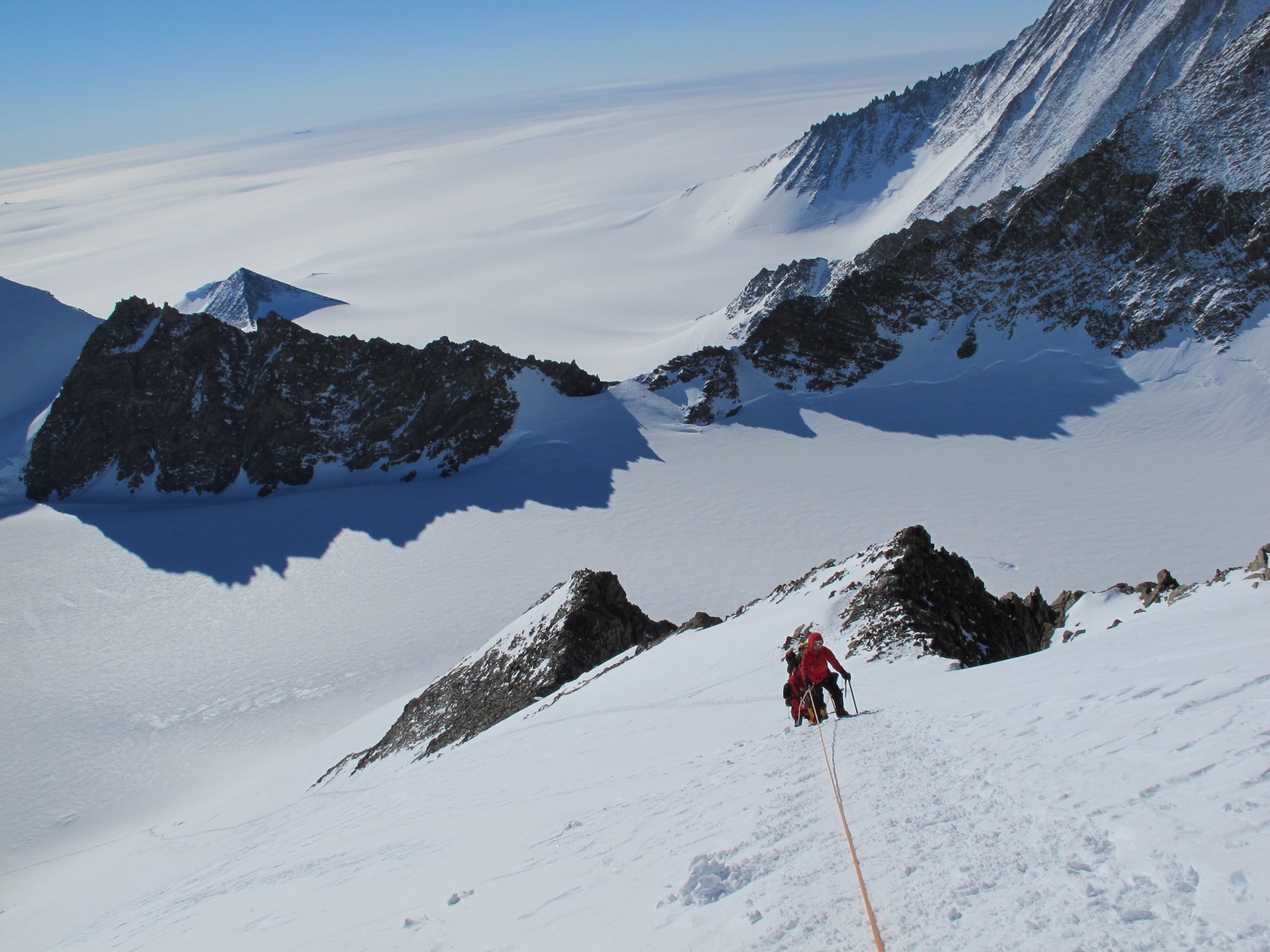
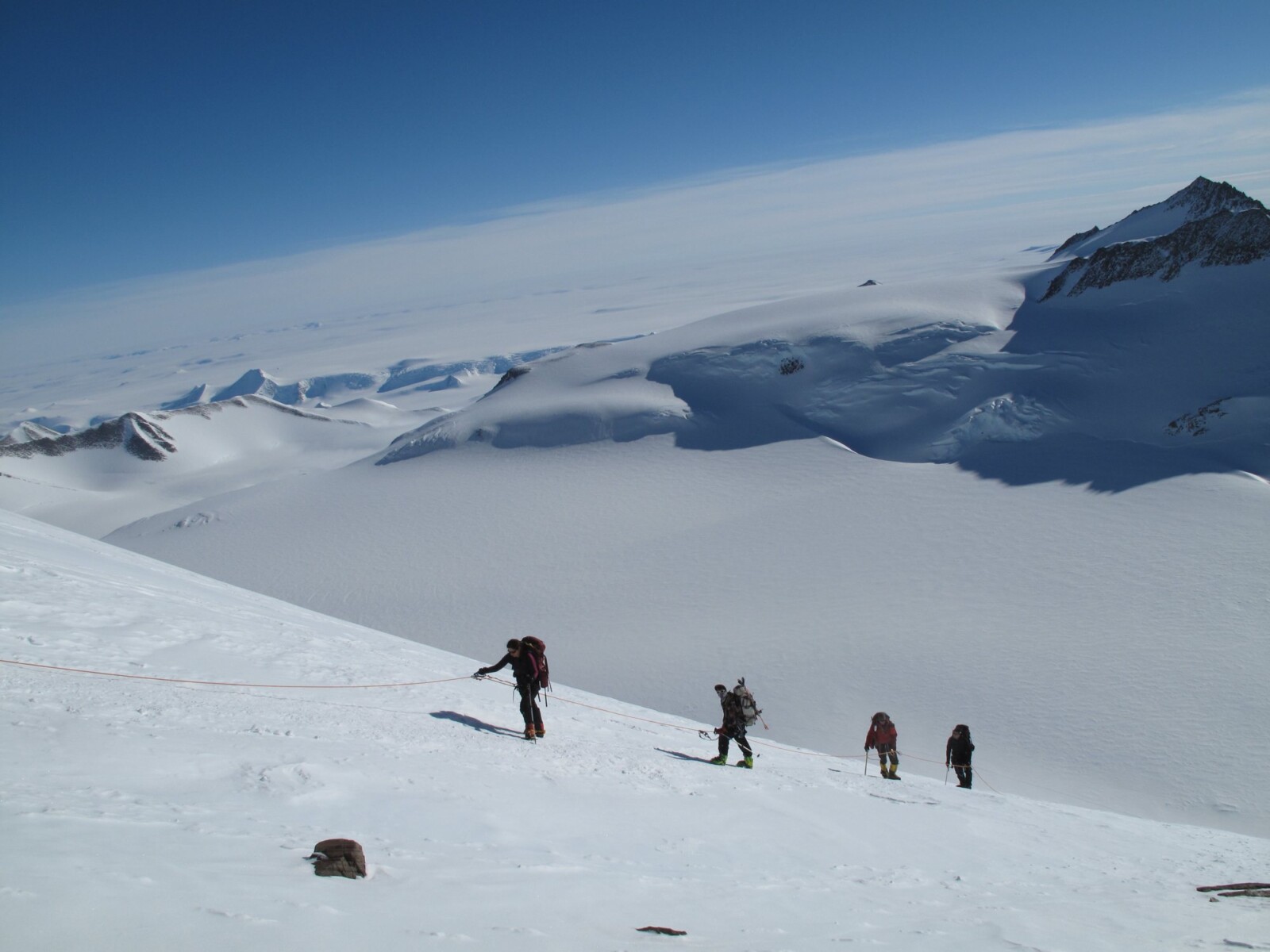
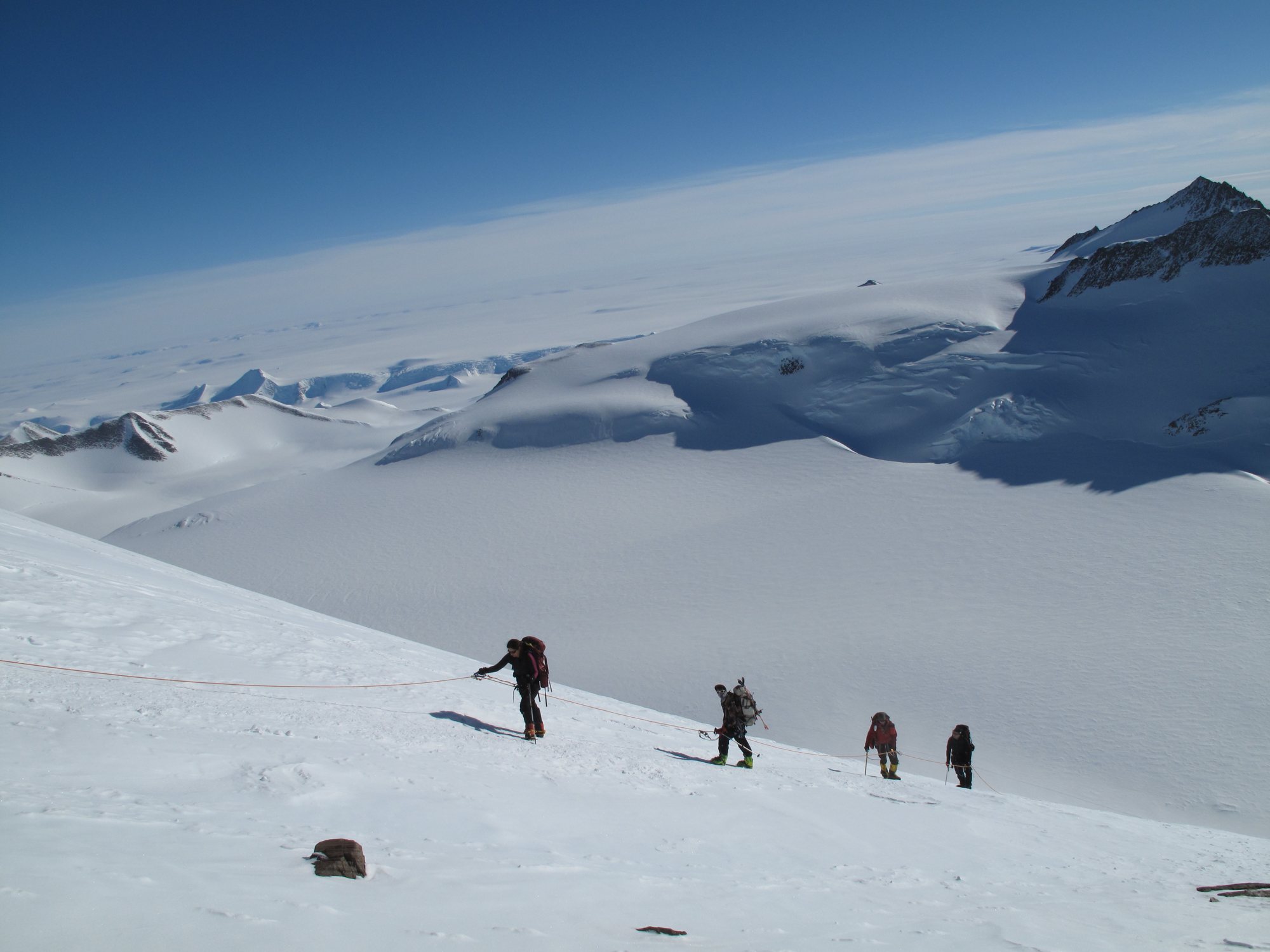
The route moves through broad glacial terrain toward Low Camp. From there, the terrain becomes steeper, with snow slopes and sections of fixed rope leading to High Camp.
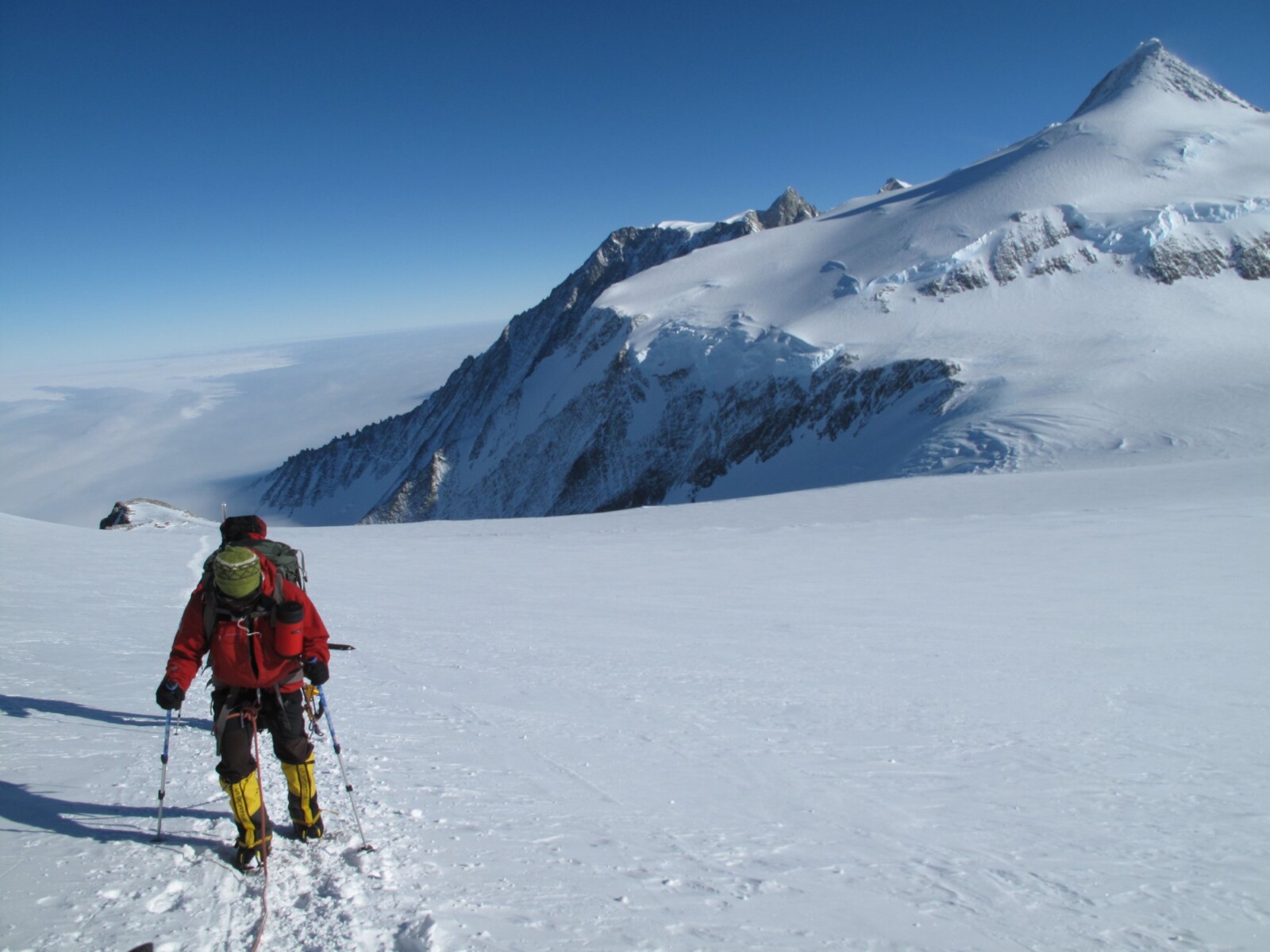
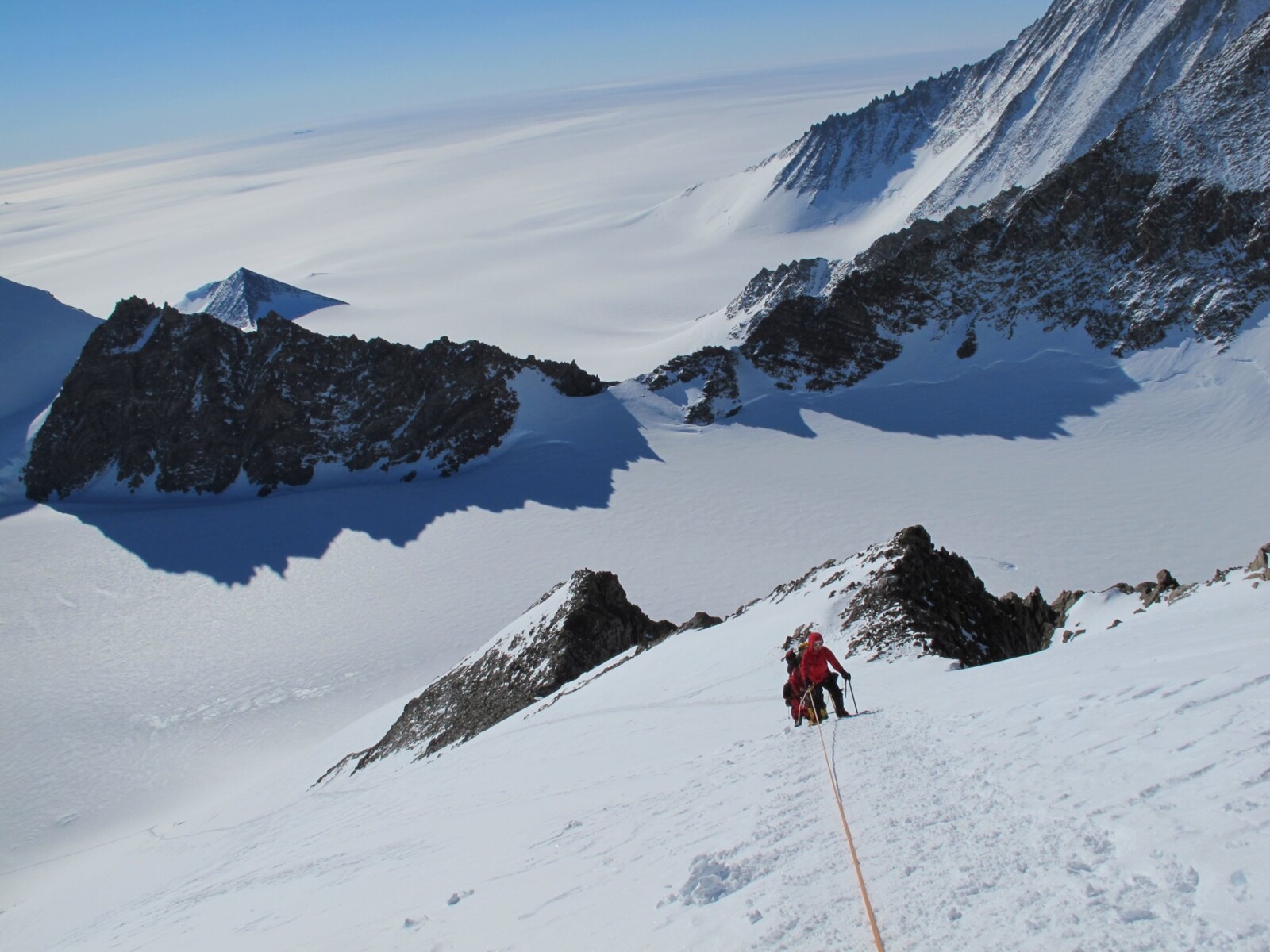
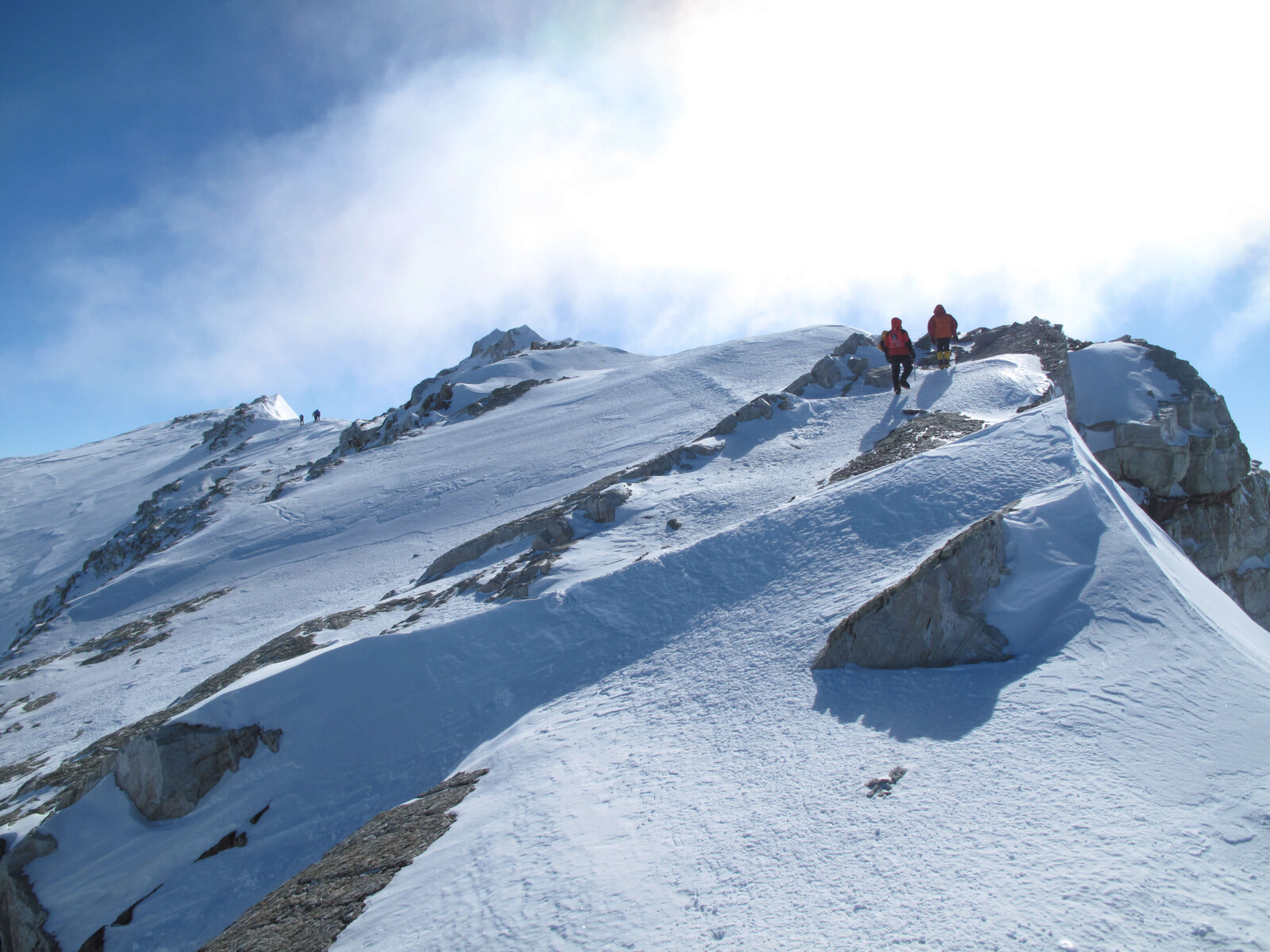
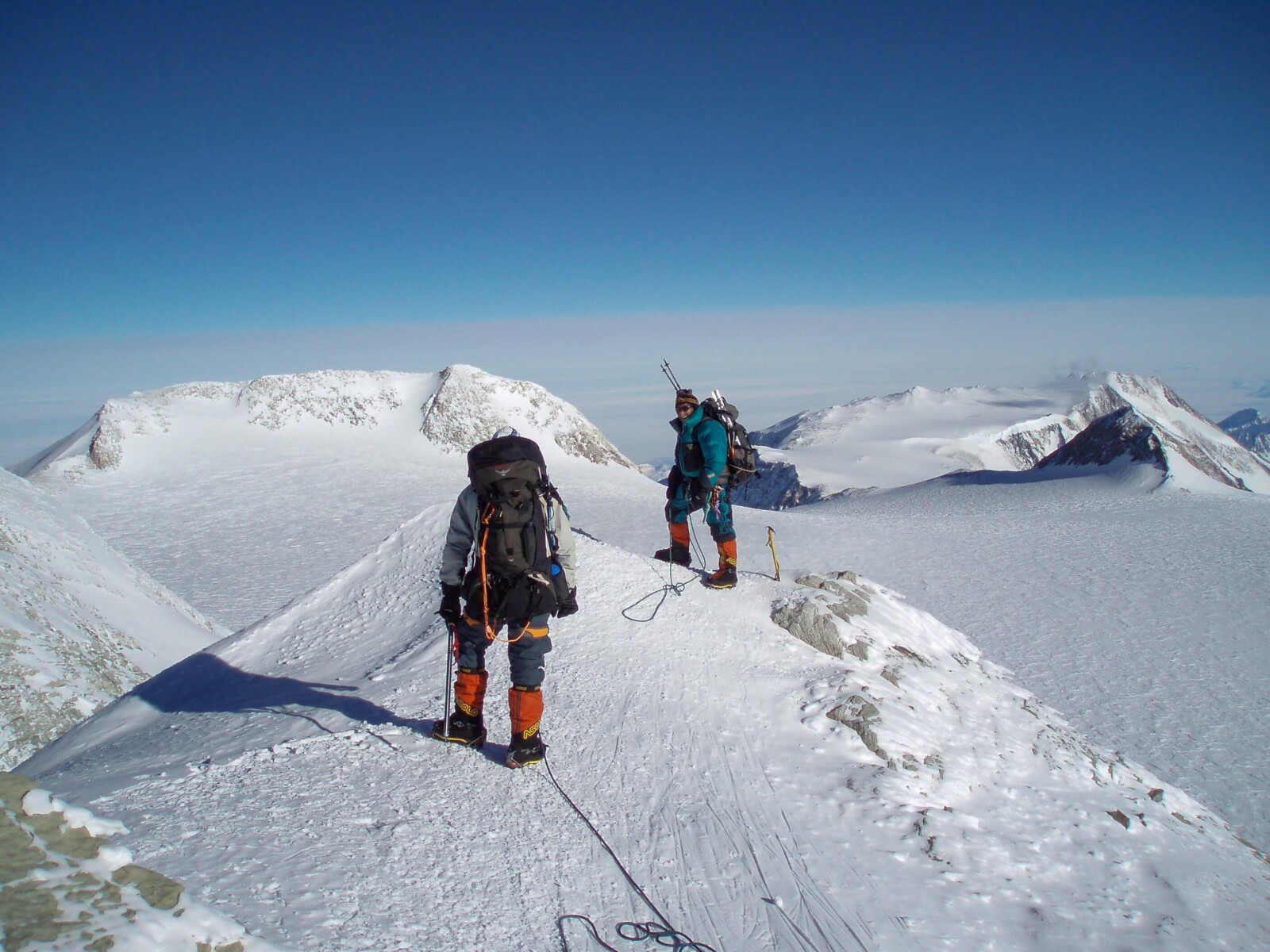
Above High Camp, climbers cross the upper mountain, climb toward the summit ridge and follow the final exposed terrain to Antarctica’s highest point.
Although Vinson’s normal route is less technically complex than many Himalayan or alpine routes, it should never be described as easy.
Glacier travel, crevasses, cold, wind, exposed sections and the physical demands of carrying equipment make it a serious mountaineering expedition.
The route, camp locations and daily progression depend on weather, snow conditions, aviation schedules and the team’s performance.
The BBE Approach
A Personal Expedition, Not Just Another Summit
The Seven Summits can easily become a list of mountains to complete.
We see something more valuable in them.
Each mountain offers a different lesson. Aconcagua teaches patience at altitude. Denali teaches expedition systems and life in the cold. Everest demands a long-term commitment to preparation, teamwork and sound decisions.
Vinson brings many of those lessons together in an exceptionally isolated environment.
Our first conversation is not about finding you an available place on a departure.
It is about understanding your experience, your team, your goals and how this mountain fits into your larger climbing journey.
We look at the climbs you have already completed, how you perform in cold environments, your technical skills and the amount of preparation that will give you the strongest possible foundation.
From there, we can develop a private expedition proposal appropriate to your objectives.
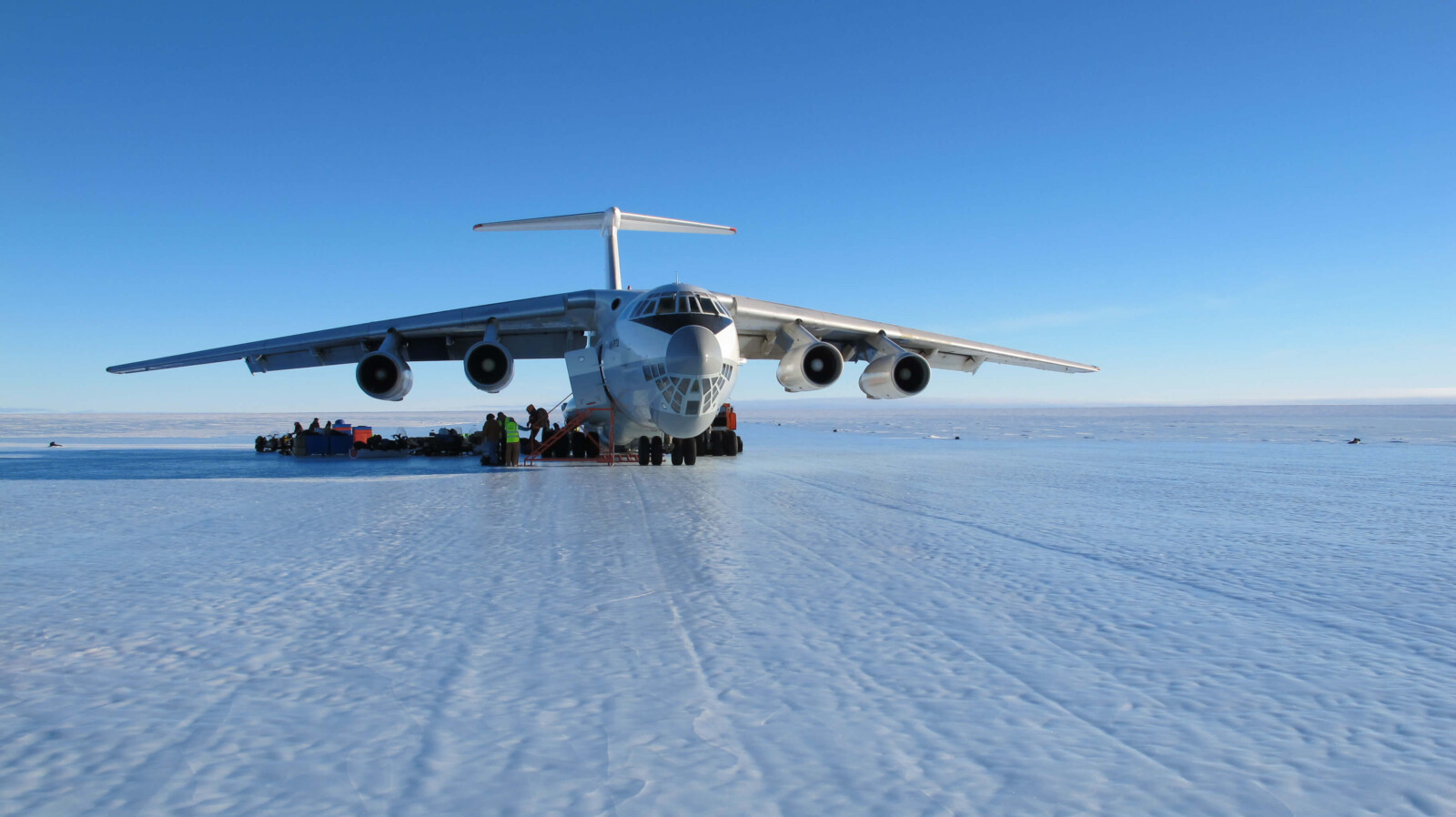
We also want you to understand what makes Antarctica different: the aviation, the weather delays, the logistical limitations and the importance of flexibility.
The summit matters. But so does the way you prepare, the decisions you make and the experience you bring home.
What Makes This a Private BBE Expedition?
- Individual review of your climbing background and objectives.
- Planning around an appropriate Antarctic season and available logistics.
- A team structure developed around the people you want to climb with.
- Preparation and equipment guidance before departure.
- Clear explanation of the proposed guide, operator and aviation arrangements.
- A written itinerary, scope of services and commercial proposal before commitment.
- The option to discuss a longer-term climbing progression with BBE.
Founder participation by Willie or Damian may be discussed, but is not guaranteed unless expressly confirmed.