The Climb
Aconcagua Express · Normal Route · Argentina
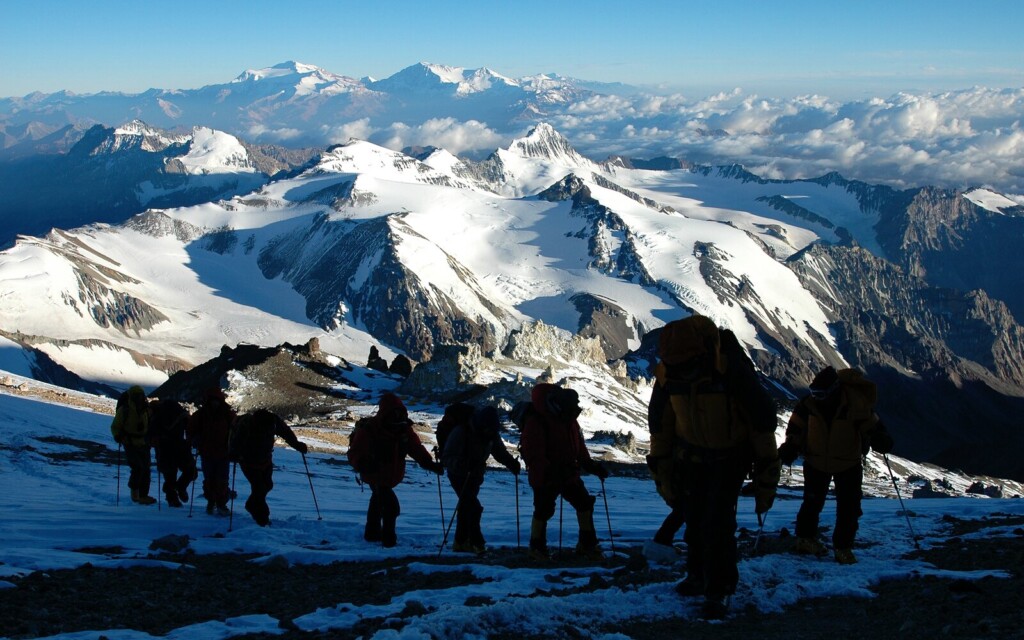
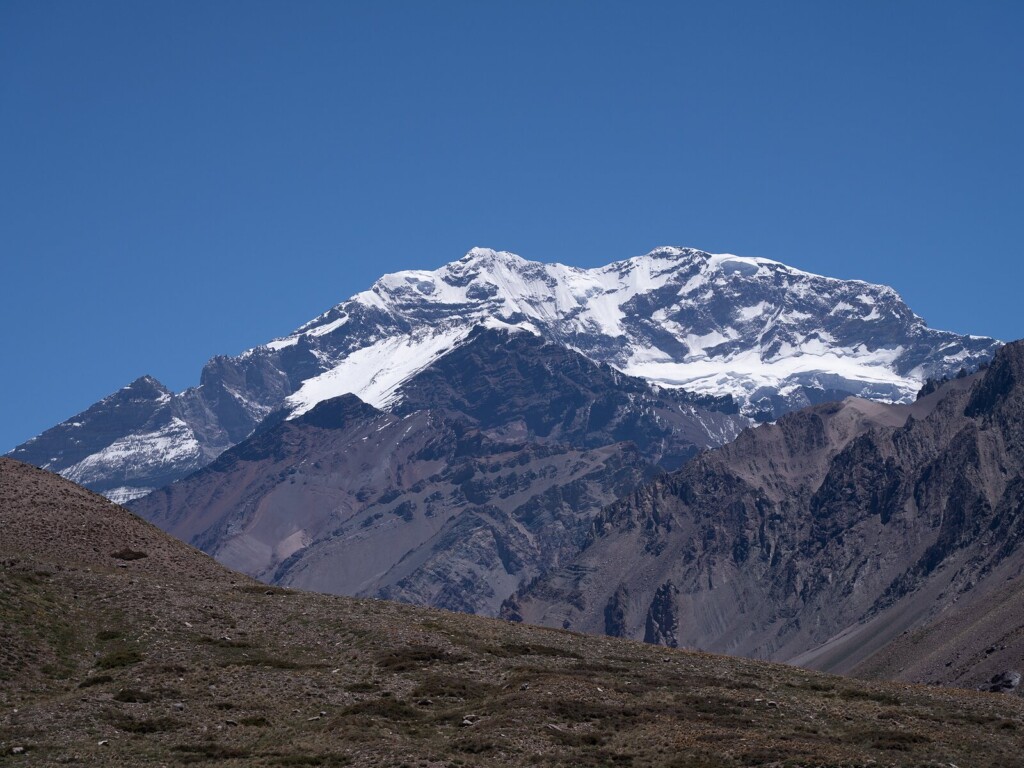
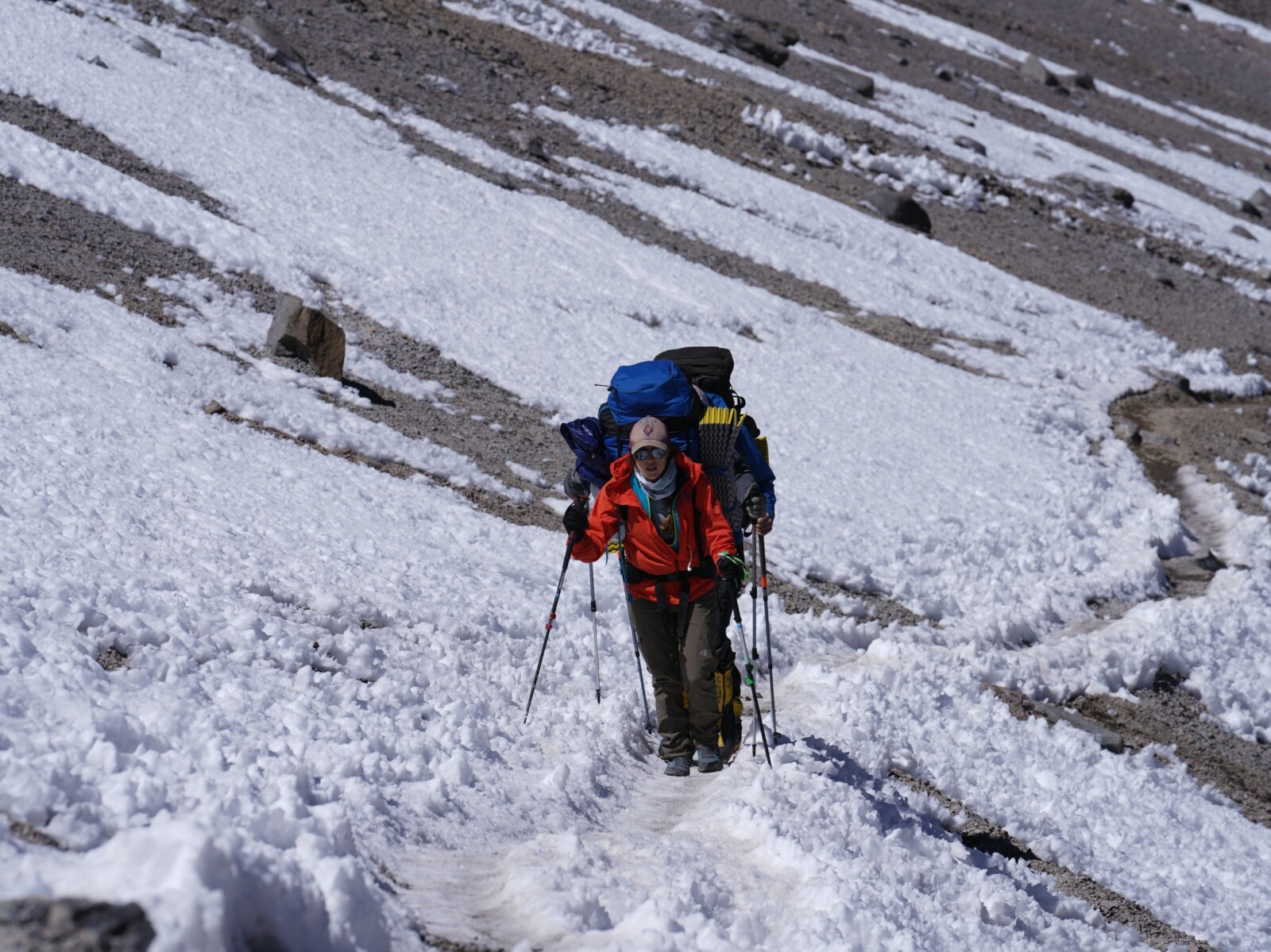
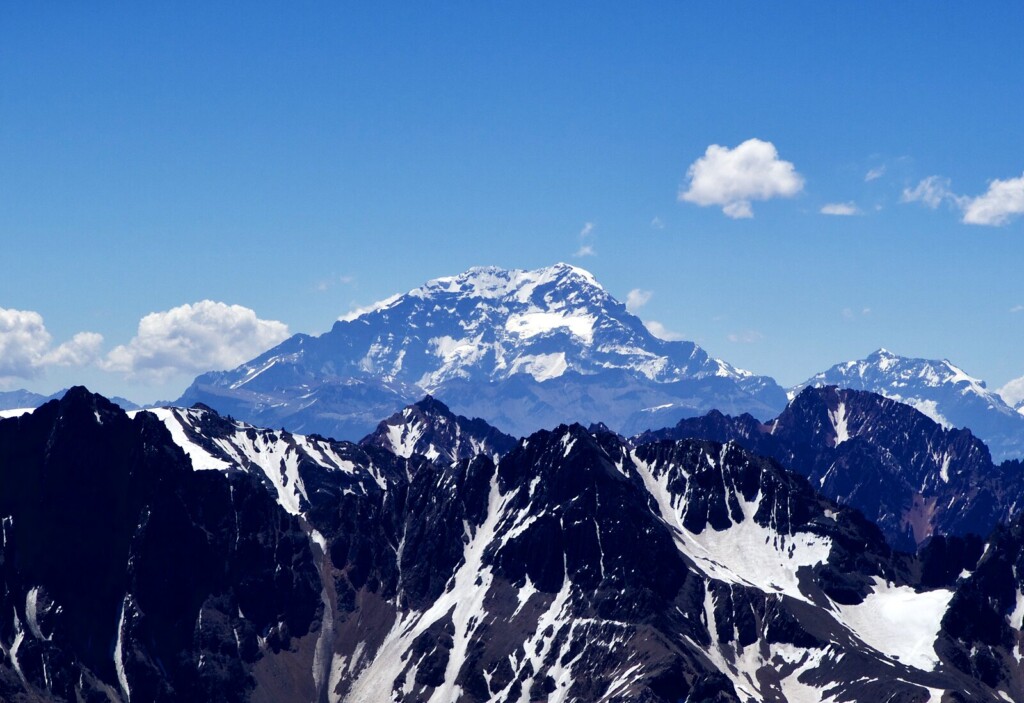
Aconcagua is the highest summit in the Western Hemisphere and the highest peak outside of Asia. Most guided expeditions on the Normal Route run eighteen to twenty days. This one runs fourteen.
The difference is not that we move faster on the mountain. It is that the acclimatization starts months before you fly, and the days a standard itinerary spends walking in, walking out, and waiting are removed by logistics rather than by hurrying. The total physiological work does not decrease. It is redistributed.
That is the whole idea, and everything on this page follows from it.
Who This Expedition Is Built For
Almost every climber who writes to us about Aconcagua is capable. What most of them do not have is three weeks.
This expedition is for experienced climbers whose limit is the calendar — people running businesses, holding positions that do not pause, training seriously around a real life. It assumes you have been high before, that you understand expedition living, and that you will do the preparation we ask for.
It is the wrong choice if Aconcagua would be your first mountain of this size, if you have had an unexplained problem at altitude, or if you cannot commit to the full pre-departure protocol. In those cases our 19-day Normal Route expedition is the better program, and we will tell you so.
Readiness Is Built in Three Stages
At home — the hypoxic protocol. Every climber receives a Hypoxico altitude system, delivered to your home, with a written protocol built around this objective and reviewed against your training history, your record at altitude, and your medical background. Four weeks of consistent use before departure is the standard. It has a schedule, a target, and a record. It is not a device you receive and use as you please.
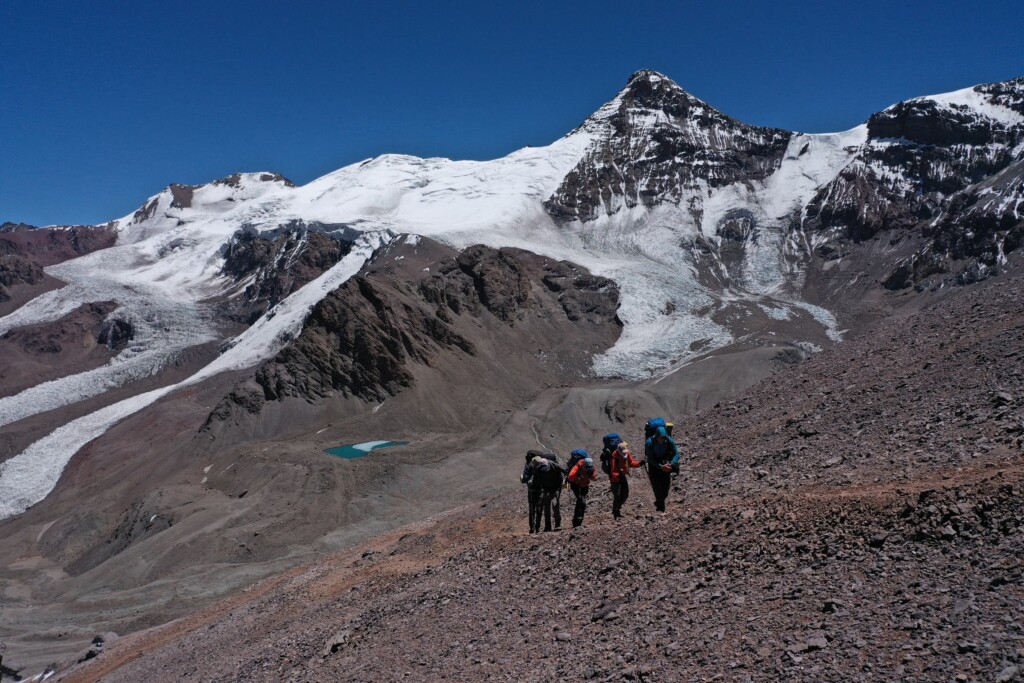
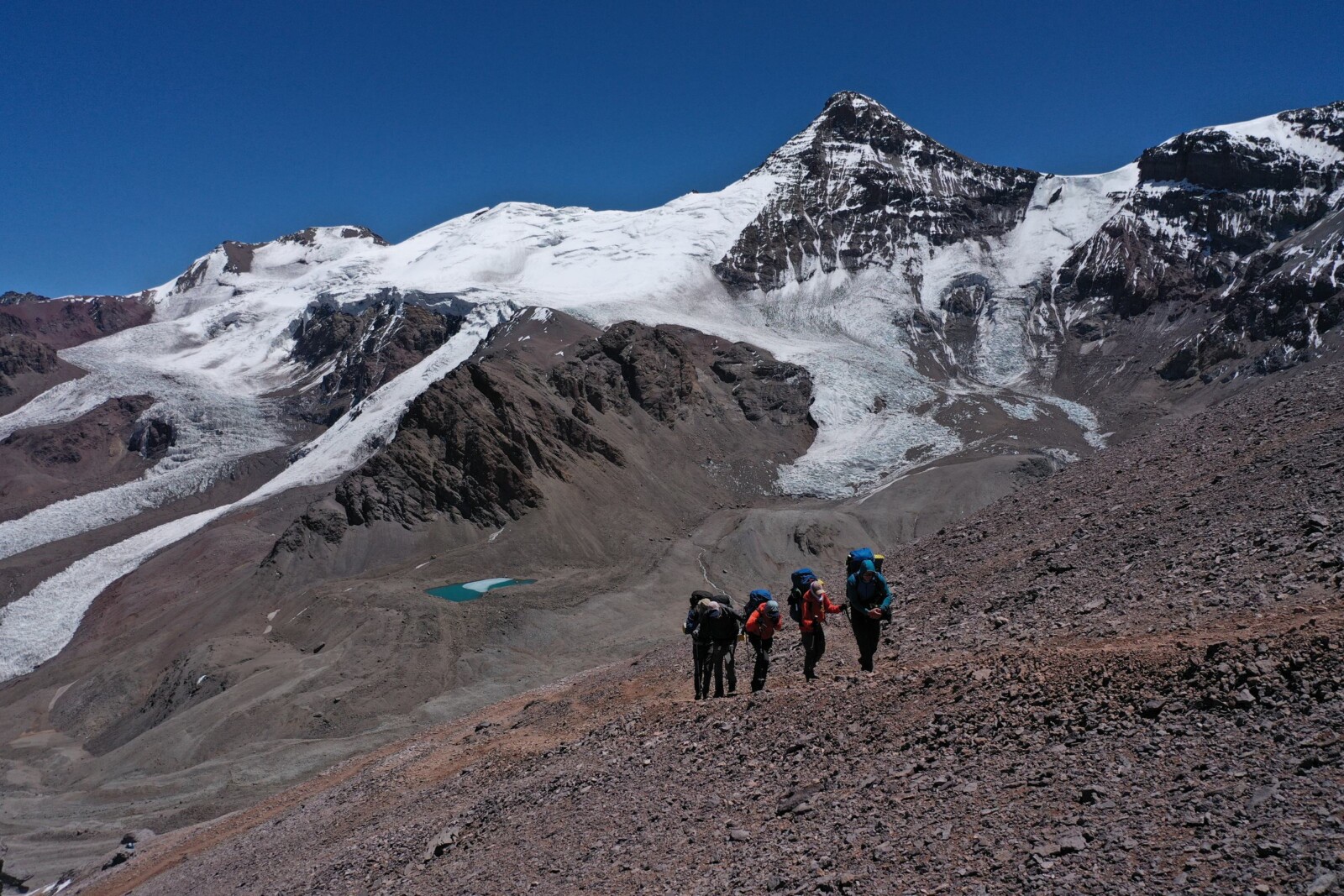
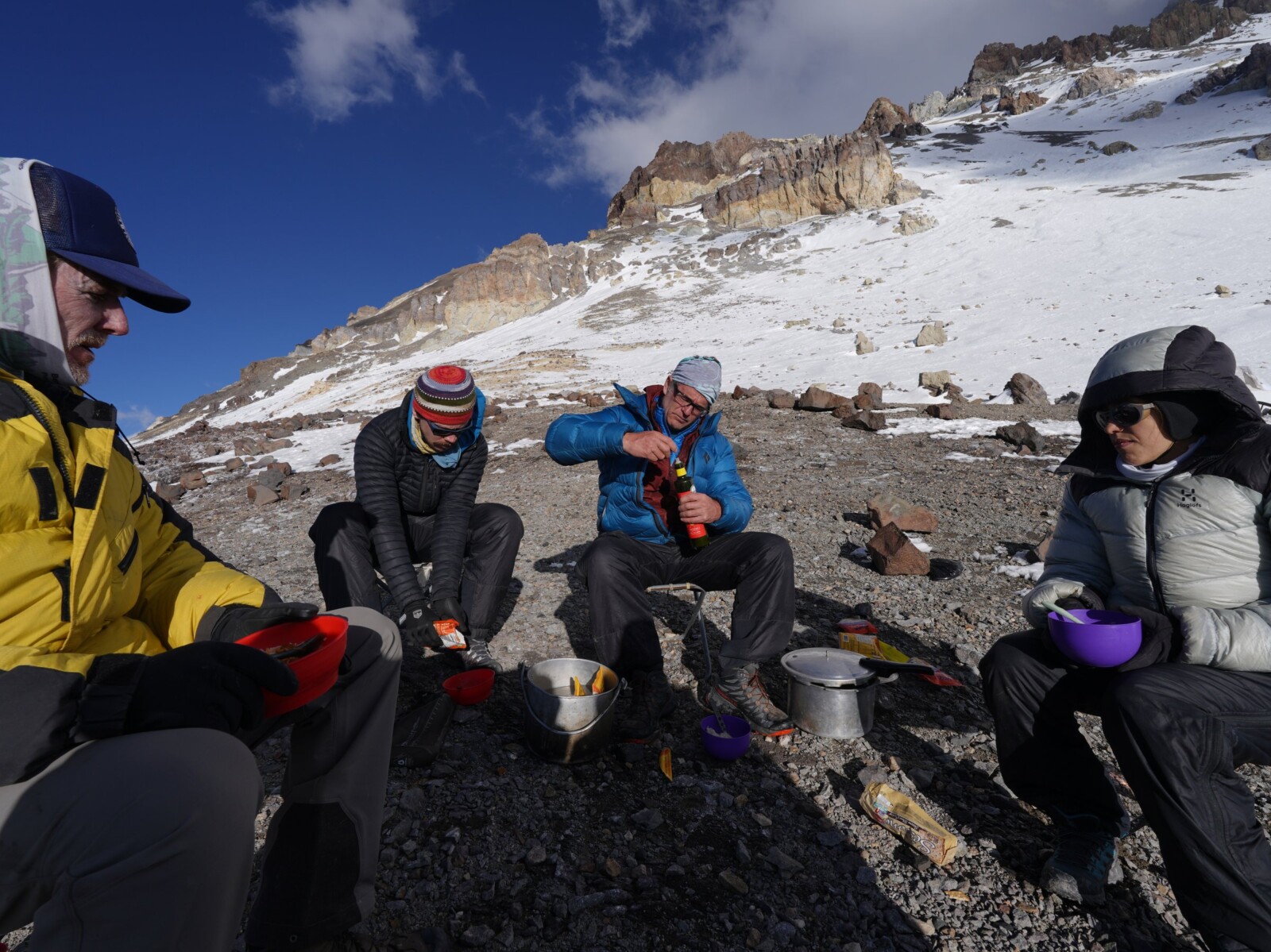
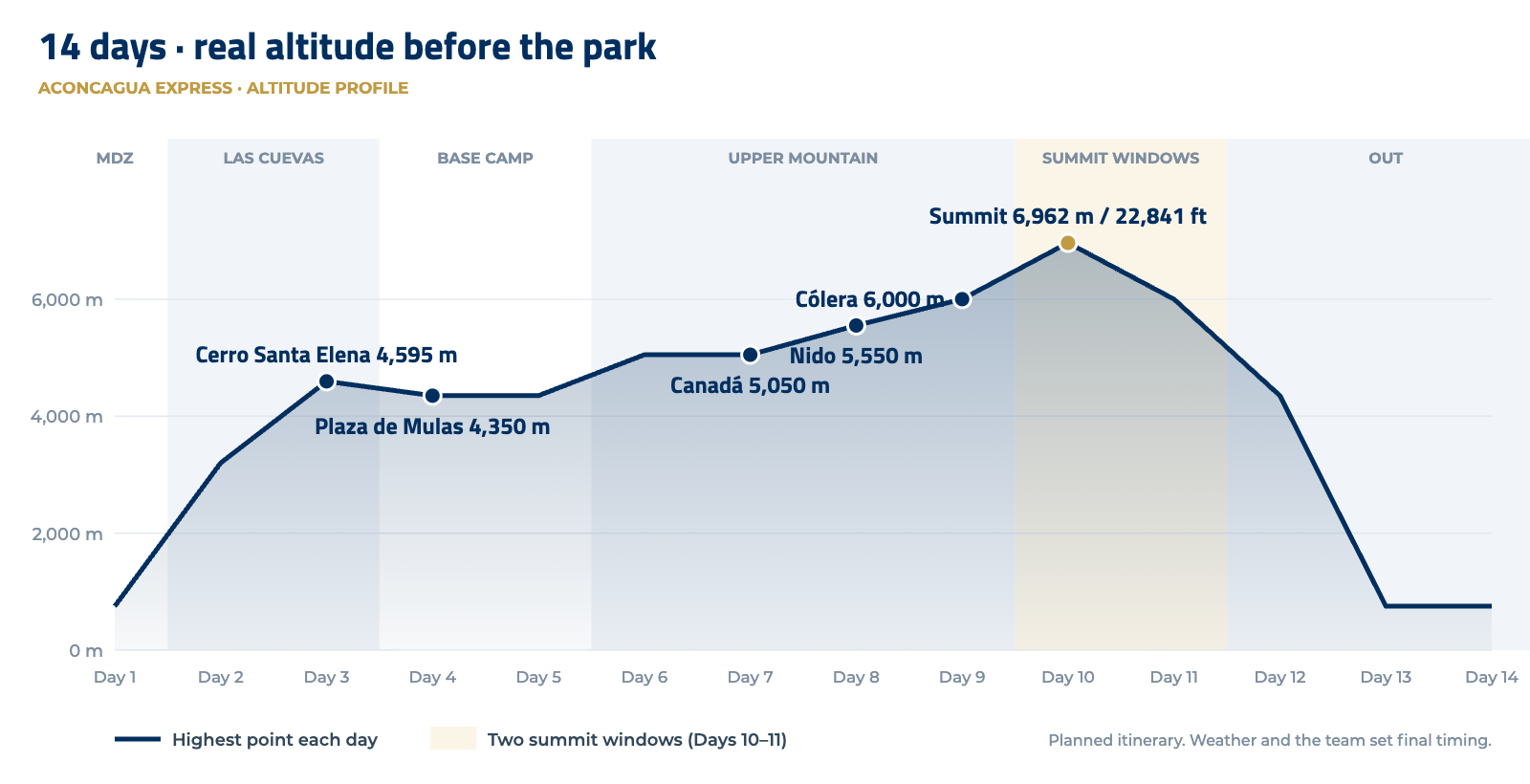
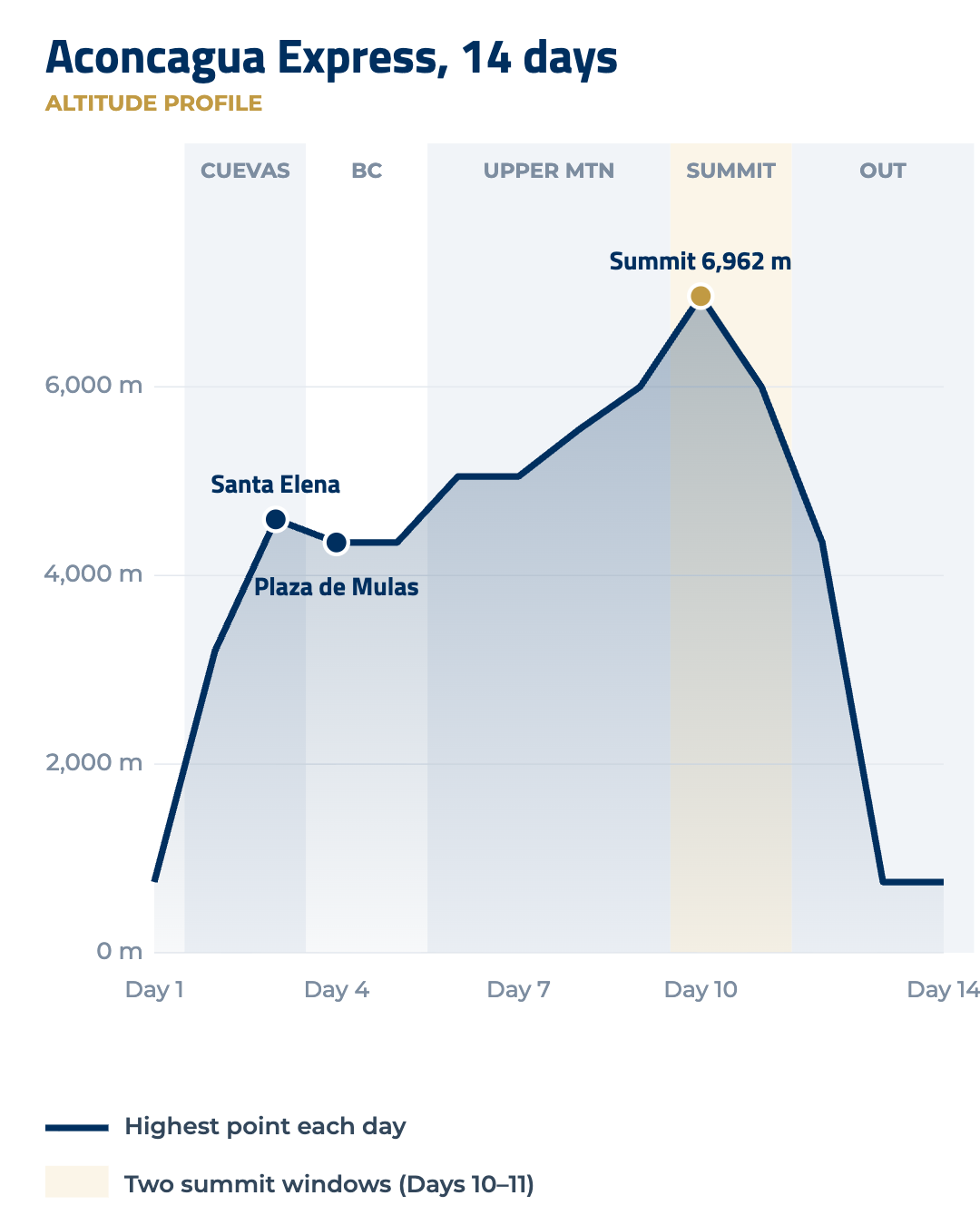
On arrival — real altitude before the park. The team stages in the Las Cuevas valley at 10,500 ft / 3,200 m, on the Argentina–Chile border, based at the Portezuelo del Viento refuge, and acclimatizes by climbing rather than by waiting. The objective is Cerro Santa Elena, 15,075 ft / 4,595 m, rising directly above the Cristo Redentor pass.
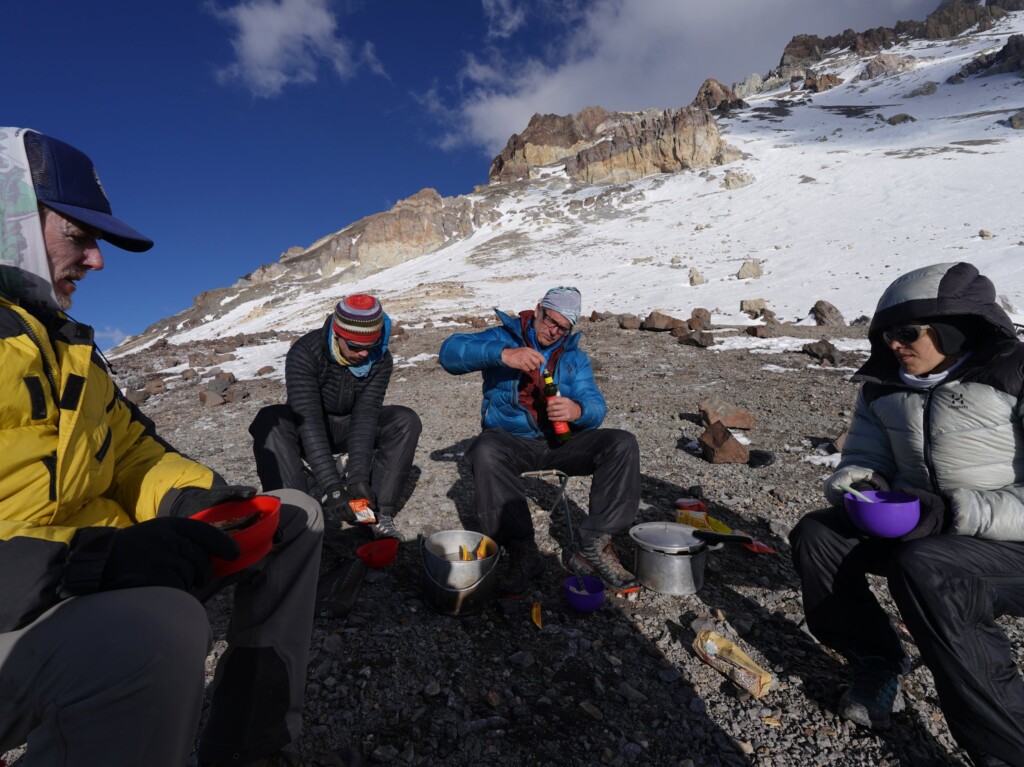
That is higher than Aconcagua’s Plaza de Mulas base camp. Our climbers have already stood above base camp elevation, on real terrain, before they enter the provincial park. A hypoxic tent reproduces reduced oxygen. It does not reproduce cold, dry air, exertion at elevation, or broken sleep in a real camp. This stage does, and it is the part of the model that cannot be bought — knowing where to place climbers, at what elevation, on which terrain, and for how long is knowledge earned over more than thirty years in this specific range.
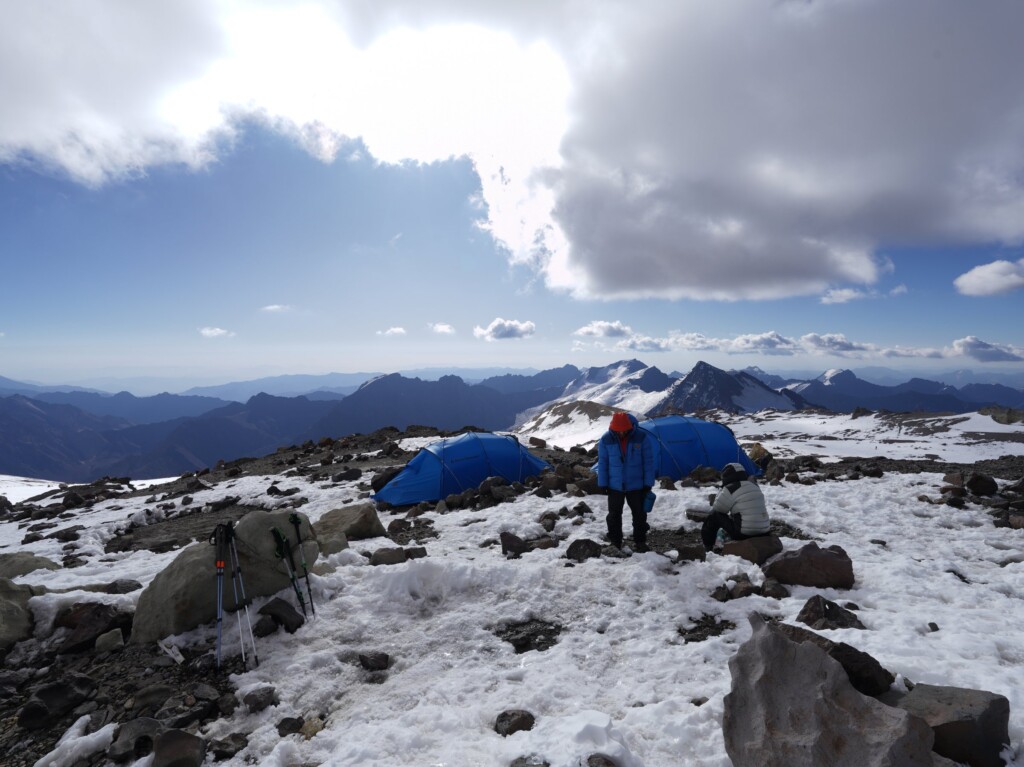
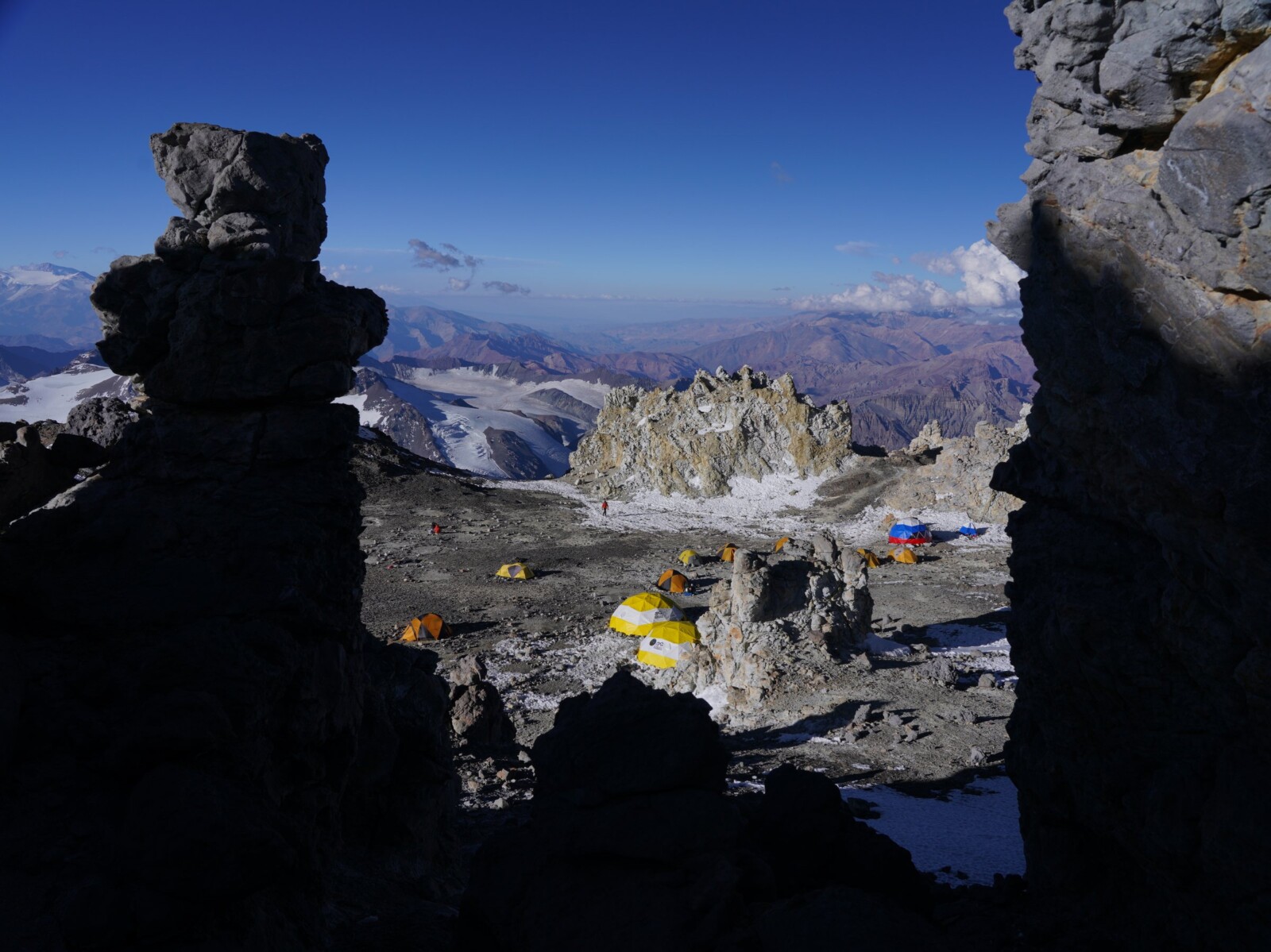
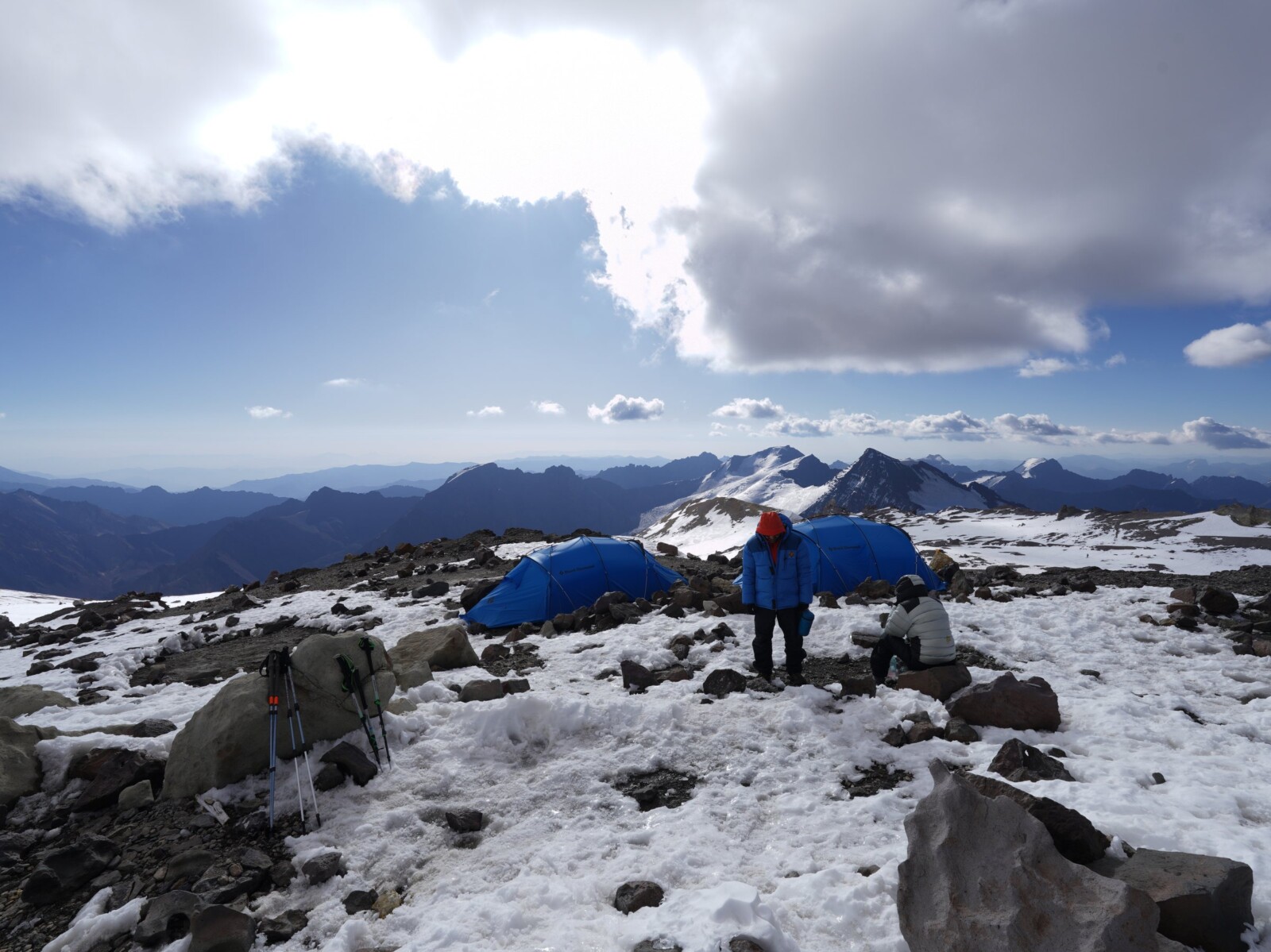
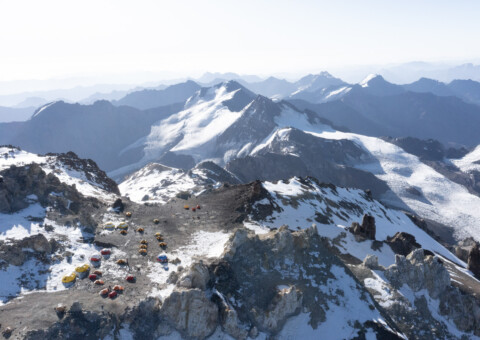
On the mountain — refined logistics. With the physiology handled, the remaining waste is time lost to movement. A helicopter carries the team from Horcones to Plaza de Mulas (14,300 ft / 4,350 m) and out again at the end, removing the two-to-three-day approach in each direction — flights are included and operate subject to weather and authorization. Private transfers, porter support for group gear, and professional forecasting handle the rest. You arrive at base camp with your energy intact and spend it on the climb.
A standard Normal Route expedition
- Eighteen to twenty days
- Two to three days walking in, and again walking out
- Acclimatization starts when you arrive
Benegas Brothers Aconcagua Express
- Fourteen days, Mendoza to Mendoza
- A home hypoxic protocol before you fly
- Real altitude on Cerro Santa Elena, 4,595 m, before the park
- Helicopter in and out
- Two summit windows
Your Preparation Is Supported by the Founders
On this expedition, the preparation phase is run personally by Willie or Damian Benegas.
From the moment you are accepted, one of them works directly with you through it — your training, your protocol, how you are responding to it, and what needs to change. Not a form, not a portal, not a coordinator relaying messages. This is a standing commitment on Aconcagua Express, and it is where more than a hundred combined Aconcagua summits actually become useful to a client: in the months before the flight, while there is still time to fix something.
It applies to your preparation, not to your departure. Who guides you on the mountain is confirmed in your written trip terms and never assumed.
Readiness Is a Requirement, Not a Benefit
This is the part we are least flexible about, and you should understand it before you book.
A shorter itinerary is safe only when the preparation actually happened. A climber who receives a hypoxic system, uses it inconsistently, and then stands at 6,900 metres on a compressed schedule is in a worse position than a climber on a traditional itinerary — not a better one. The efficiency is borrowed against the preparation. If the preparation is not there, there is nothing to borrow against.
So your compliance and your response to the protocol are reviewed before departure by your guide team together with the founders, and by our doctor where your history or medical background warrants it.
If the protocol has not been met, we will tell you. Depending on where you stand, that conversation may lead to a longer itinerary, a different objective, or a later departure. We would rather have it months out than at high camp. Turning a climber around at home is not a failure of the program. It is the program working.
Four Climbers, Two Guides
Four climbers, two guides, calibrated to experienced people who have already done the work — no averaging down to accommodate a wide range of ability.
The expedition is built and managed to IFMGA standards, and led by certified professional mountain guides — IFMGA, AMGA, and the Argentine Association of Mountain Guides — with experience across the Andes, the Himalaya, Alaska, and Patagonia.
You will never disappear into the group. Small teams are how the company works.
Safety and Judgment
Every departure carries emergency oxygen on the upper mountain, a full expedition medical kit, guides trained in high-altitude field medicine, and satellite and radio communication at all times. Starlink internet at base camp gives a limited connection — enough to message home and for the guide team to pull current weather data. Every climber is monitored daily — pace, oxygen saturation, hydration, appetite, recovery.
Two summit windows are built into the schedule. That margin exists to be used, or not used, as conditions decide. A compressed itinerary does not buy urgency: nobody on a BBE expedition is pushed because the calendar is tight, and turning around at the right moment remains a professional decision rather than a failure.
No one can promise you a summit on Aconcagua. Be careful of anyone who does.
The Standard Behind It
Benegas Brothers Expeditions was founded by two Argentine climbers, and the Andes are where the company learned what it knows. Aconcagua is not a destination we visit each season. It is home ground — the same staff for years, the same mule teams, the same understanding of a particular aspect in a particular month.
We don’t simply guide expeditions. We help people build a lifetime in the mountains.
Questions About Aconcagua Express?
Read next: Aconcagua Normal Route · Day by Day