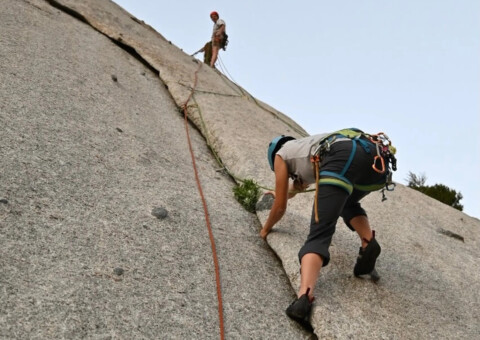
The Activity
Learn to Lead Outside · Wasatch, Utah
You climb outside. Someone else still leads the route.
That’s the honest position most outdoor climbers are in for a long time—comfortable on a top rope, competent on the ground, and dependent on whoever is willing to go up first and put the rope there.
What you pay
Full day · per person and total for your group
| Group | Per person | Total |
|---|---|---|
| Scheduled course date | $295 | — |
| Private: 1 climber | $500 | $500 |
| Private: 2 climbers | $375 | $750 |
| Private: 3 climbers | $325 | $975 |
| Private: 4 climbers | $295 | $1,180 |
On a scheduled date the price is $295 per person, even if the group ends up smaller than four. Inclusions and cancellation terms are in the Rates & Booking tab.
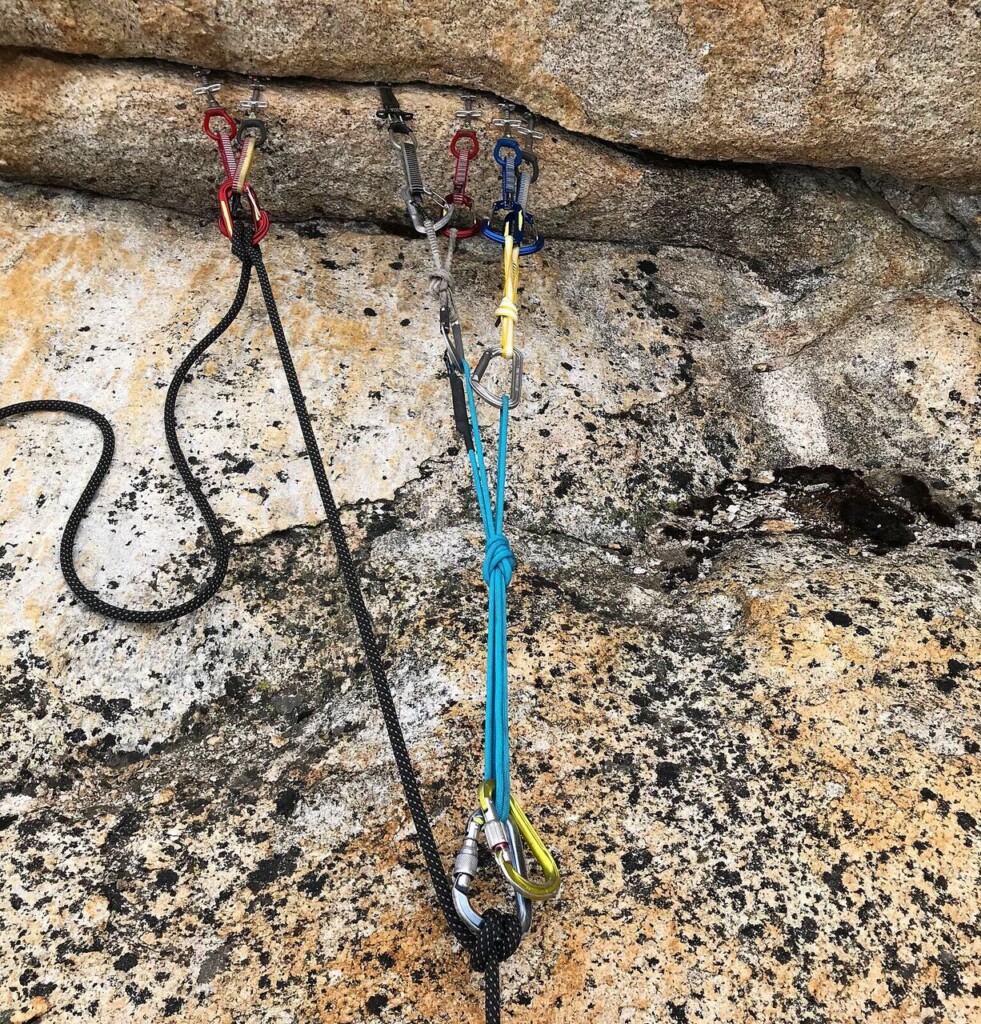
Leading is not clipping the rope into quickdraws. It’s managing a system while you climb: where the rope sits, when to clip and when to keep moving, what happens if you fall from here rather than three feet higher, and whether the belayer behind you is paying attention or standing too far back.
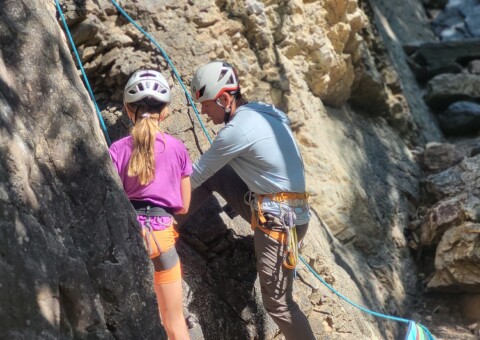
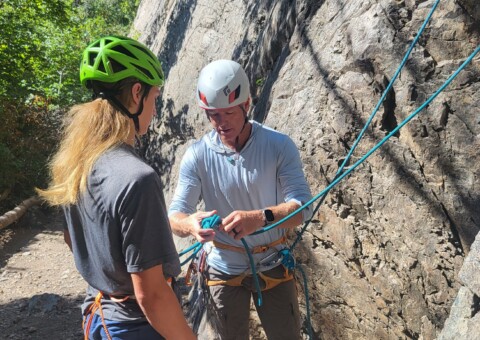
This is a full day learning that system, on real sport routes, with a professional guide who will catch the habits that get people hurt before they become habits.
We teach lead climbing on bolted sport routes. Not trad, not multi-pitch—one clear objective in one day, taught properly.
You will not leave an independent lead climber. One day doesn’t do that. You’ll leave understanding the system, having led routes with instruction, and knowing exactly what you need to practice before you lead without a guide standing there.
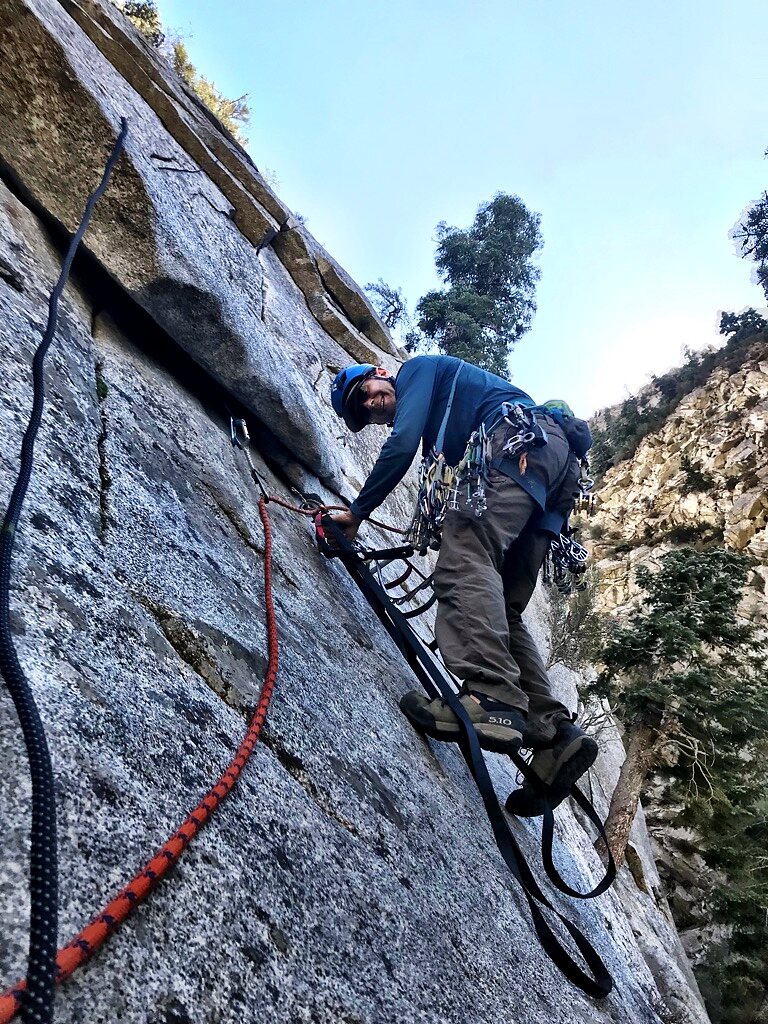
Why learn this from a guide
Learning to lead from friends works. It also transfers whatever bad habits your friends have, and neither of you will know which ones those are.
A guide watches your clipping position before you back-clip, sees where your leg is relative to the rope before you flip upside down, and can explain why a system is built that way. Mistakes get named on the day they happen instead of a year later, at the wrong moment.
What the day covers
- The lead system, and what the climber and belayer each owe each other
- Lead belaying—slack, brake hand, fall distance, dynamic catches, position
- Clipping quickdraws properly, and how back-clipping and z-clipping happen
- Falls and fall zones—rope stretch, ledges, ground-fall potential, when not to fall
- Moving while leading: resting before clips, reading sequences, not lingering above gear
- Choosing a route you should be on—grade, bolt spacing, anchors, descent
- Fixed anchors, cleaning a sport route, and lowering
- Running a climbing day yourself, not just climbing one
What it doesn’t cover
Trad leading and placing protection, multi-pitch systems, advanced anchor building, self-rescue, and alpine climbing. Each is its own course.
Where this fits
Before this: Learn to Rock Climb Outside, if you’re coming from the gym and outdoor systems are still new. Recommended, not required—equivalent outdoor experience is fine. Each scheduled Learn to Lead follows a Learn to Rock Climb Outside course by about four weeks.
After this: practice, mostly. Then Rock Climbing Mentorship for coaching across a season, or Full-Day Private Rock Climbing for a day on a bigger objective.
Operated and guided by Wasatch Mountain Guides (WMG). BBE is the referral and sales partner; reservations, payments and required forms are handled directly by WMG.
Questions before you book?
We answer every inquiry personally.