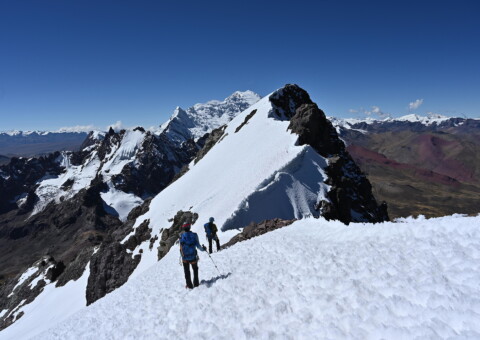
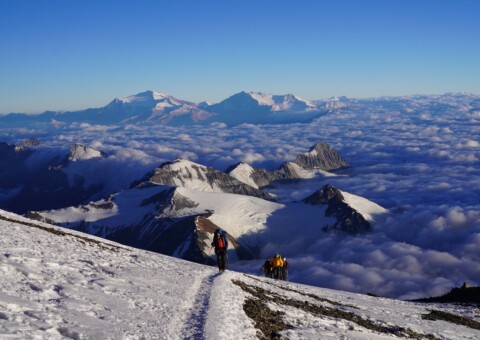
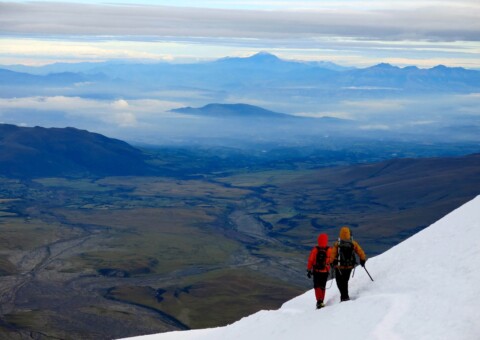
The Climb
Aconcagua Normal Route · 22,841 ft / 6,962 m · 19 Days · Mendoza, Argentina
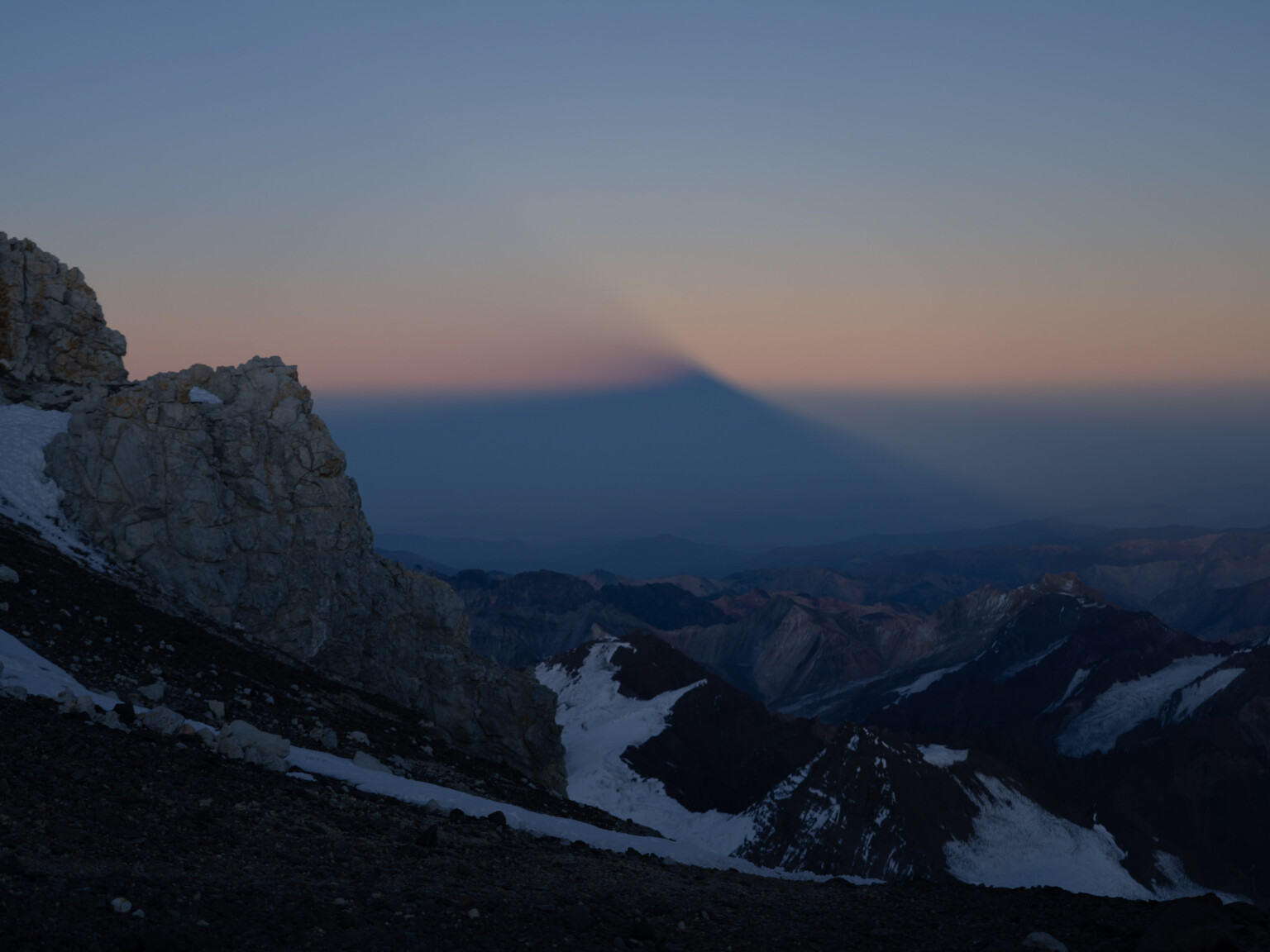
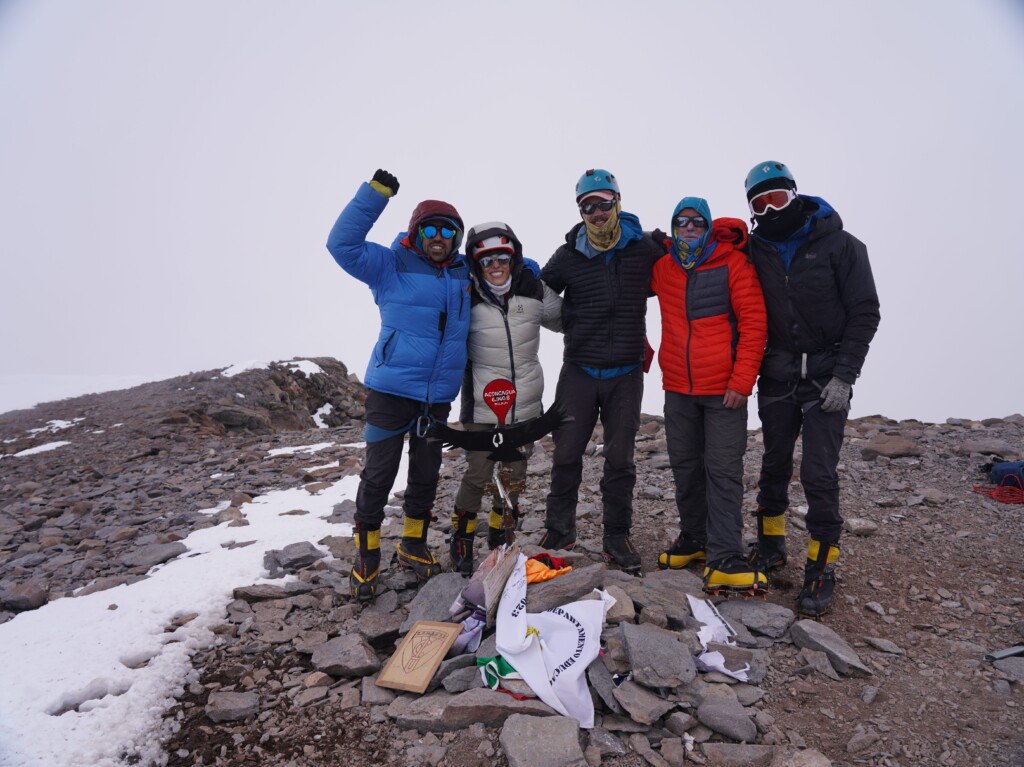
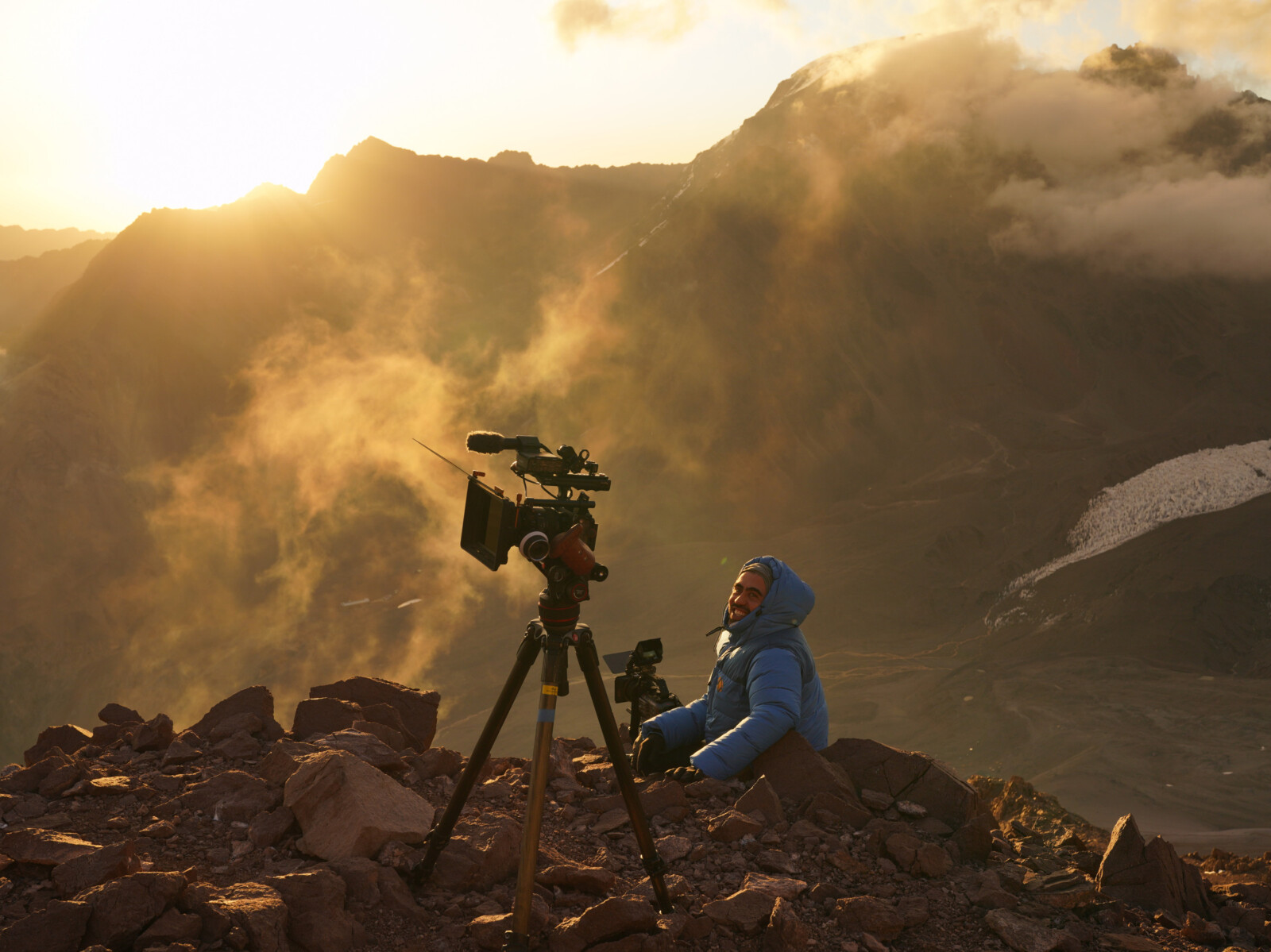
At 22,841 ft / 6,962 m, Aconcagua is the highest mountain in South America, the highest mountain outside Asia and one of the Seven Summits.
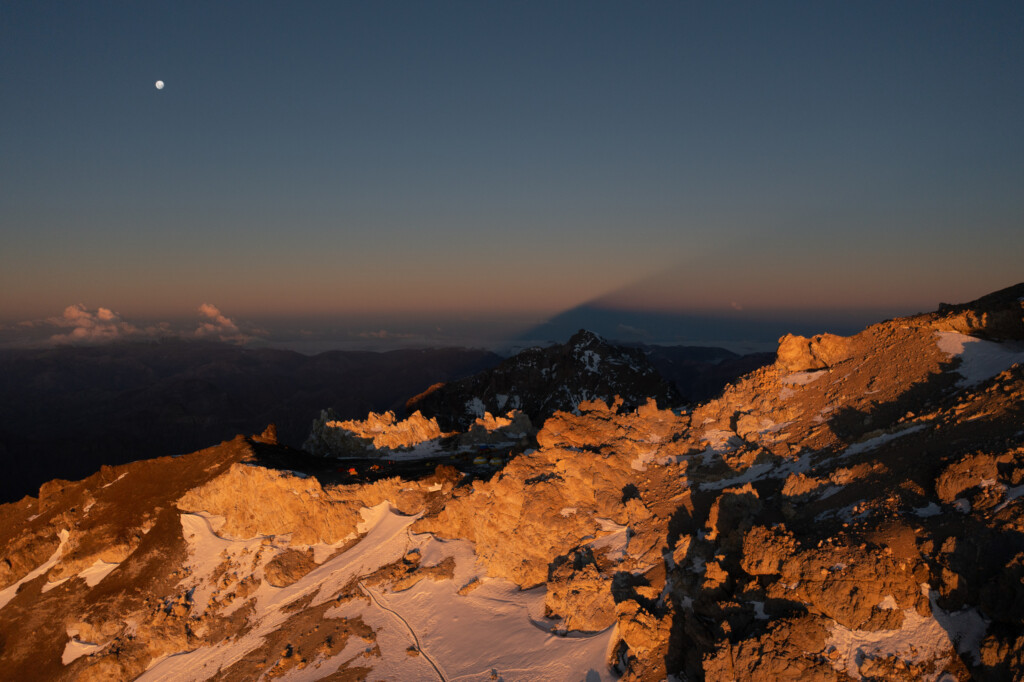
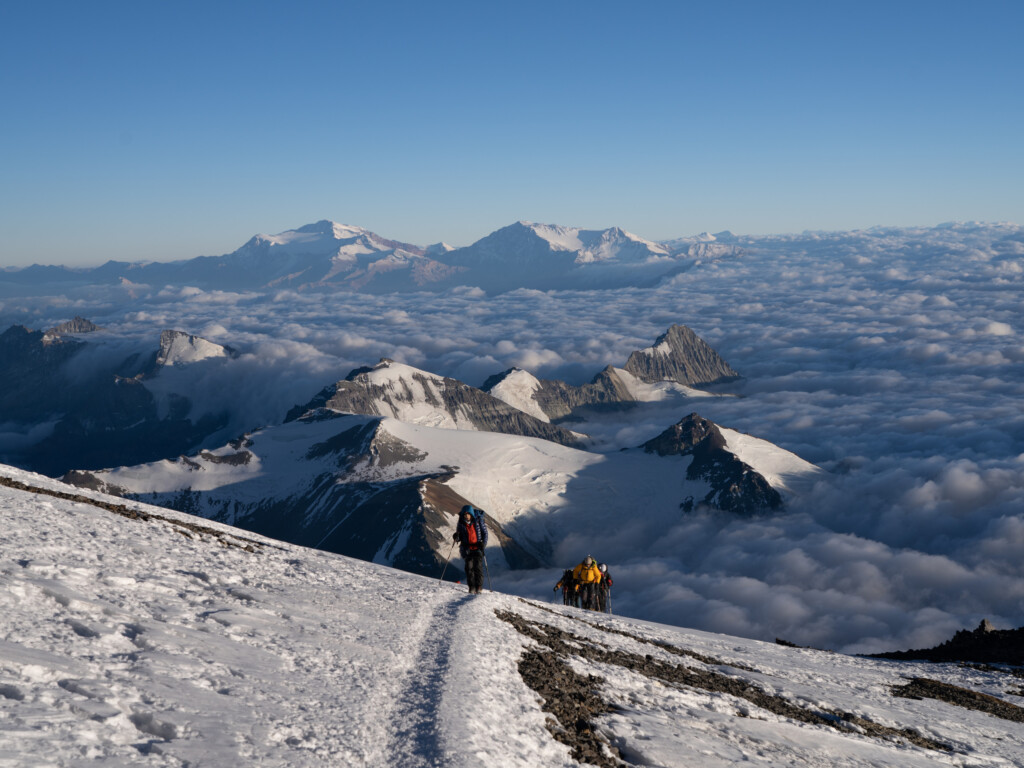
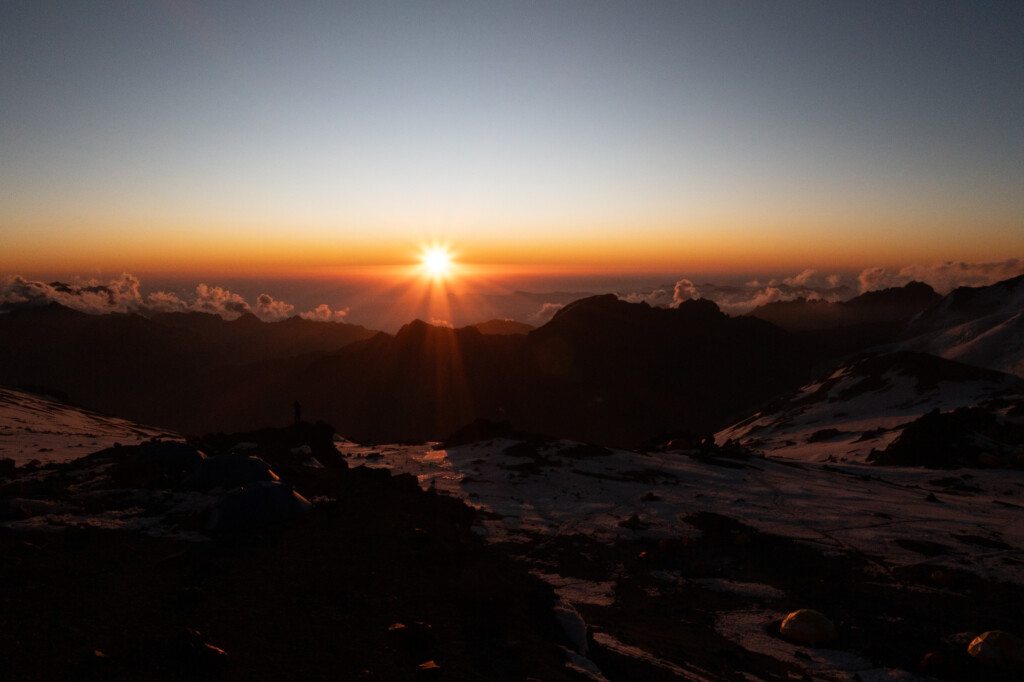
The Normal Route is called non-technical, and in good conditions it is. Don’t confuse that with easy. Altitude, cold, long days, loaded carries and some of the strongest winds in the Andes turn back many fit climbers every season. Our expedition is built around the things that can be influenced: acclimatization, team size, guide attention, weather flexibility and honest decisions.
Four Questions. Answered Before You Book.
The Mountain and the Route
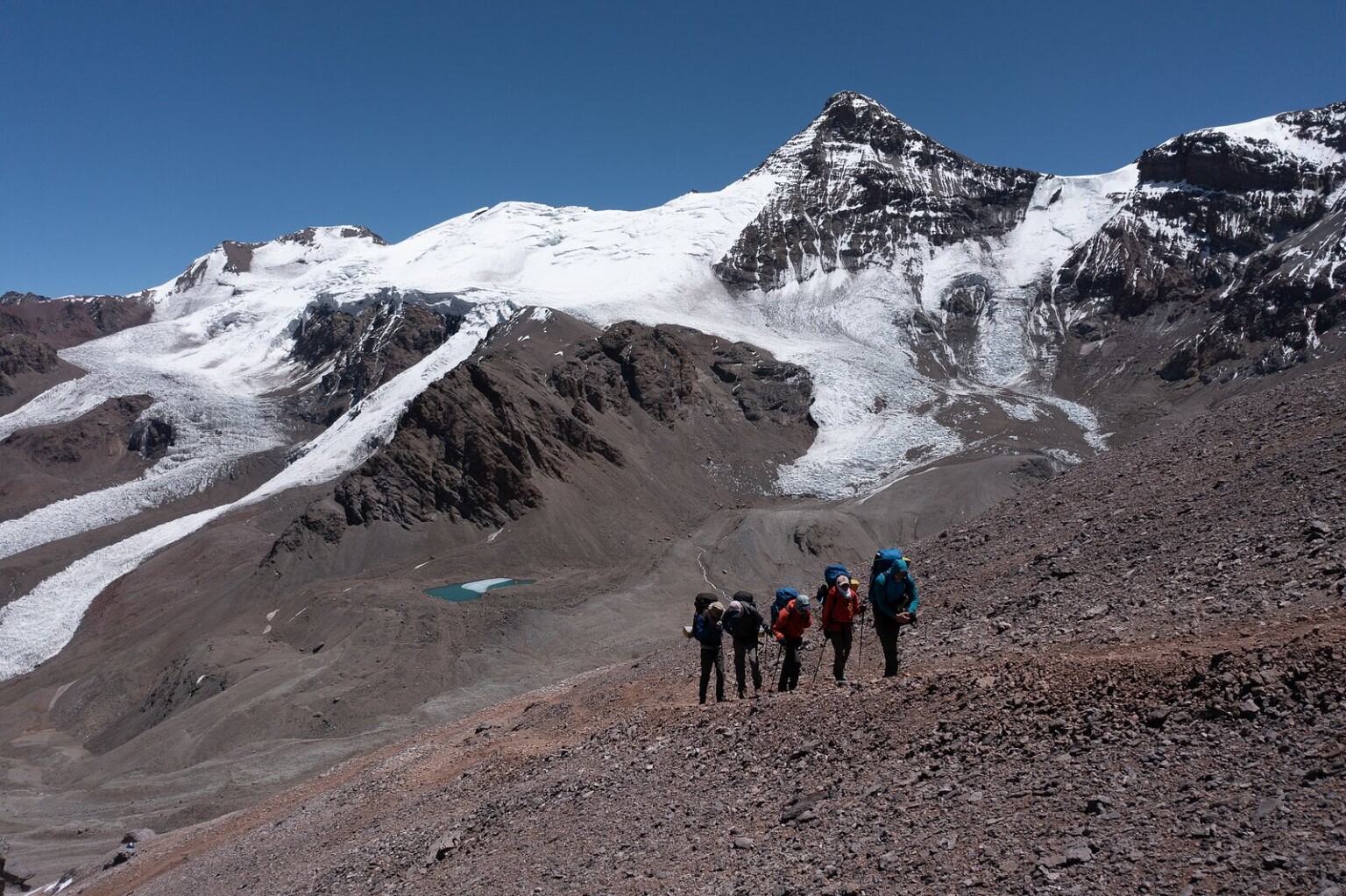
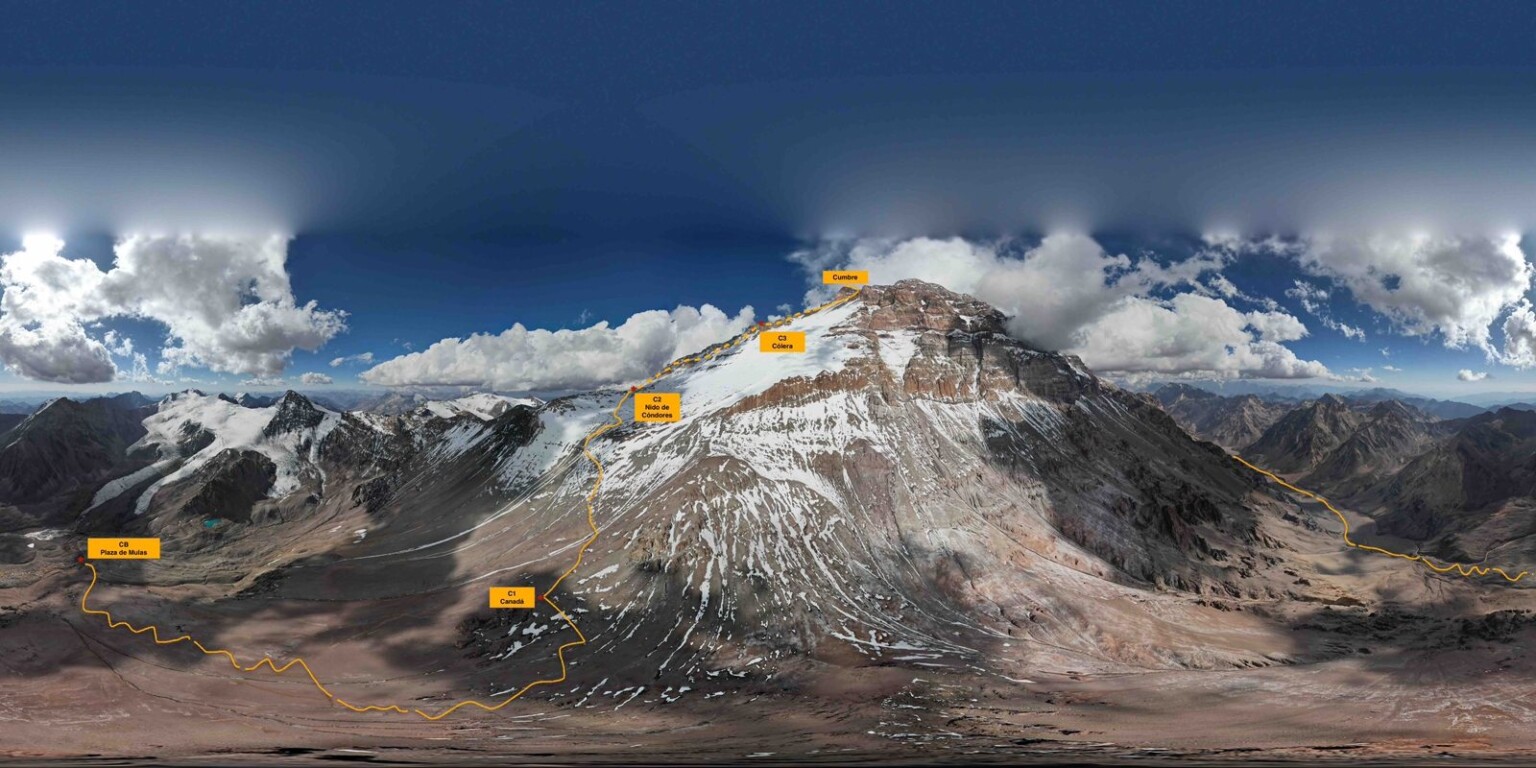
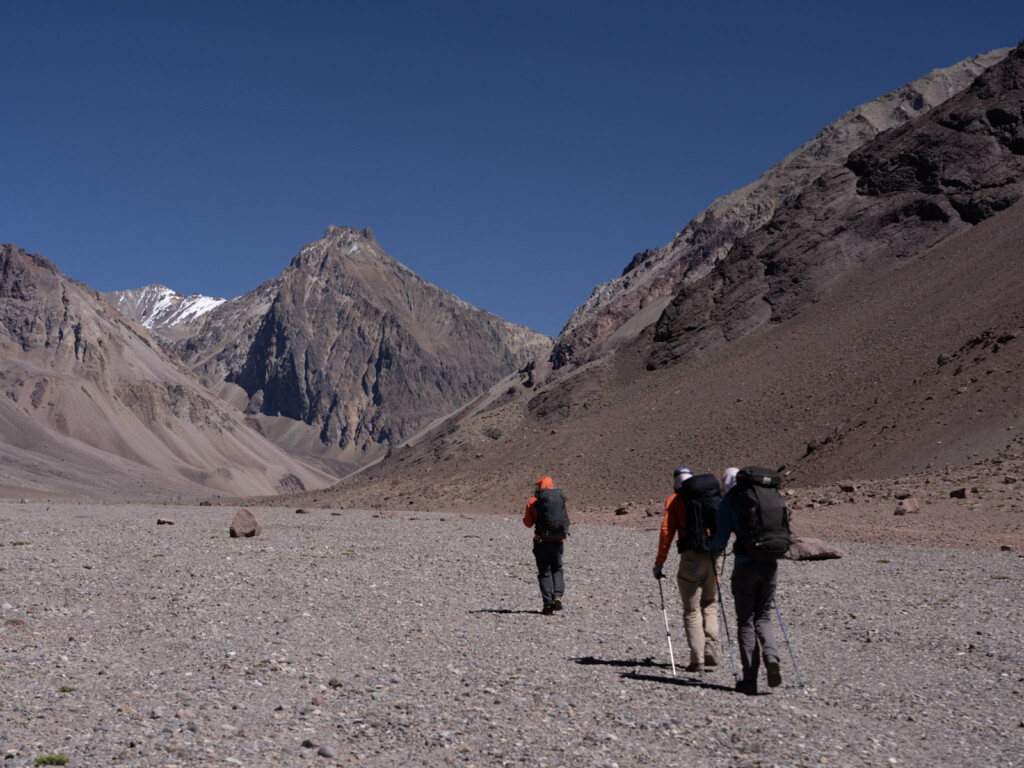
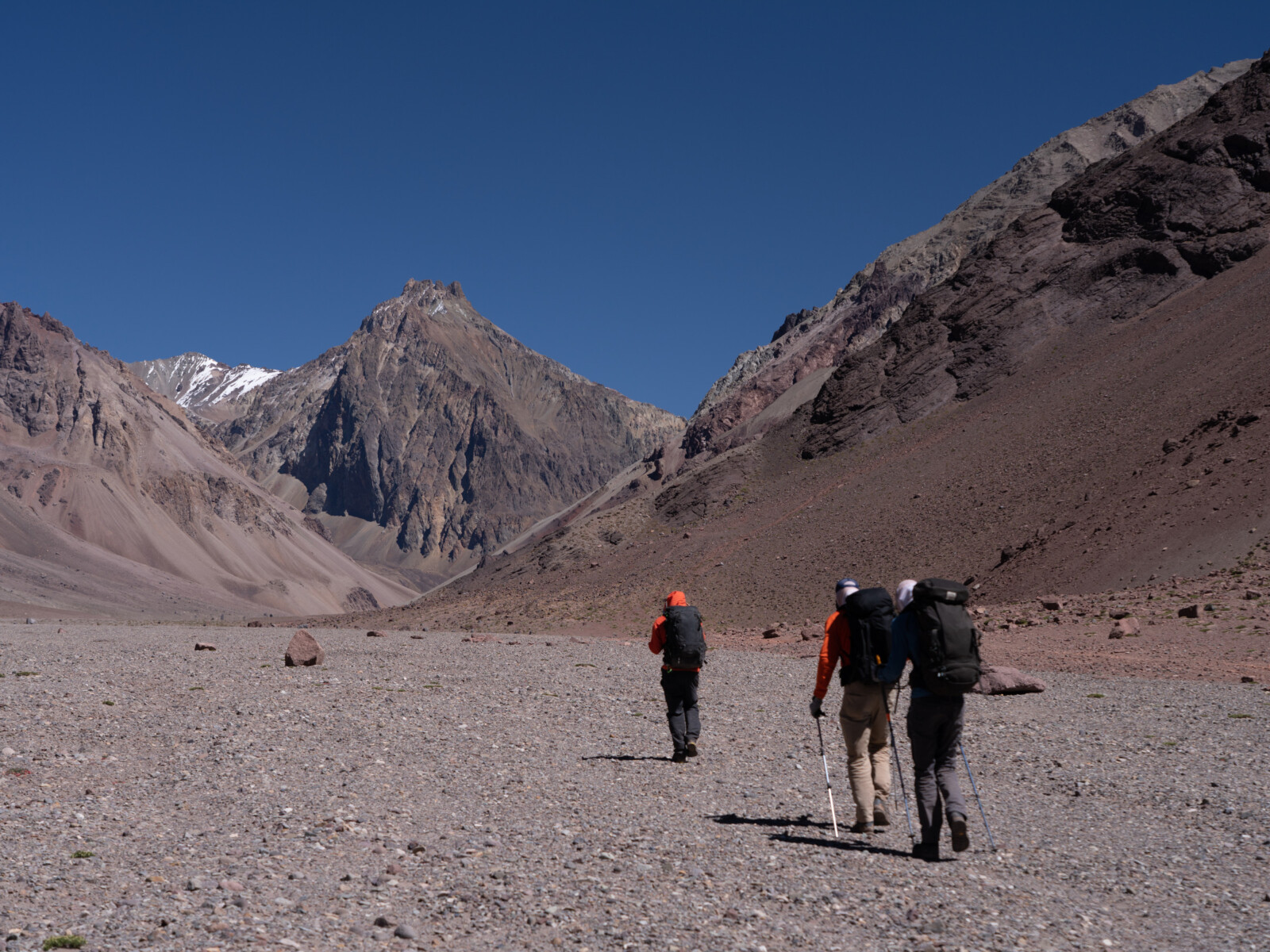
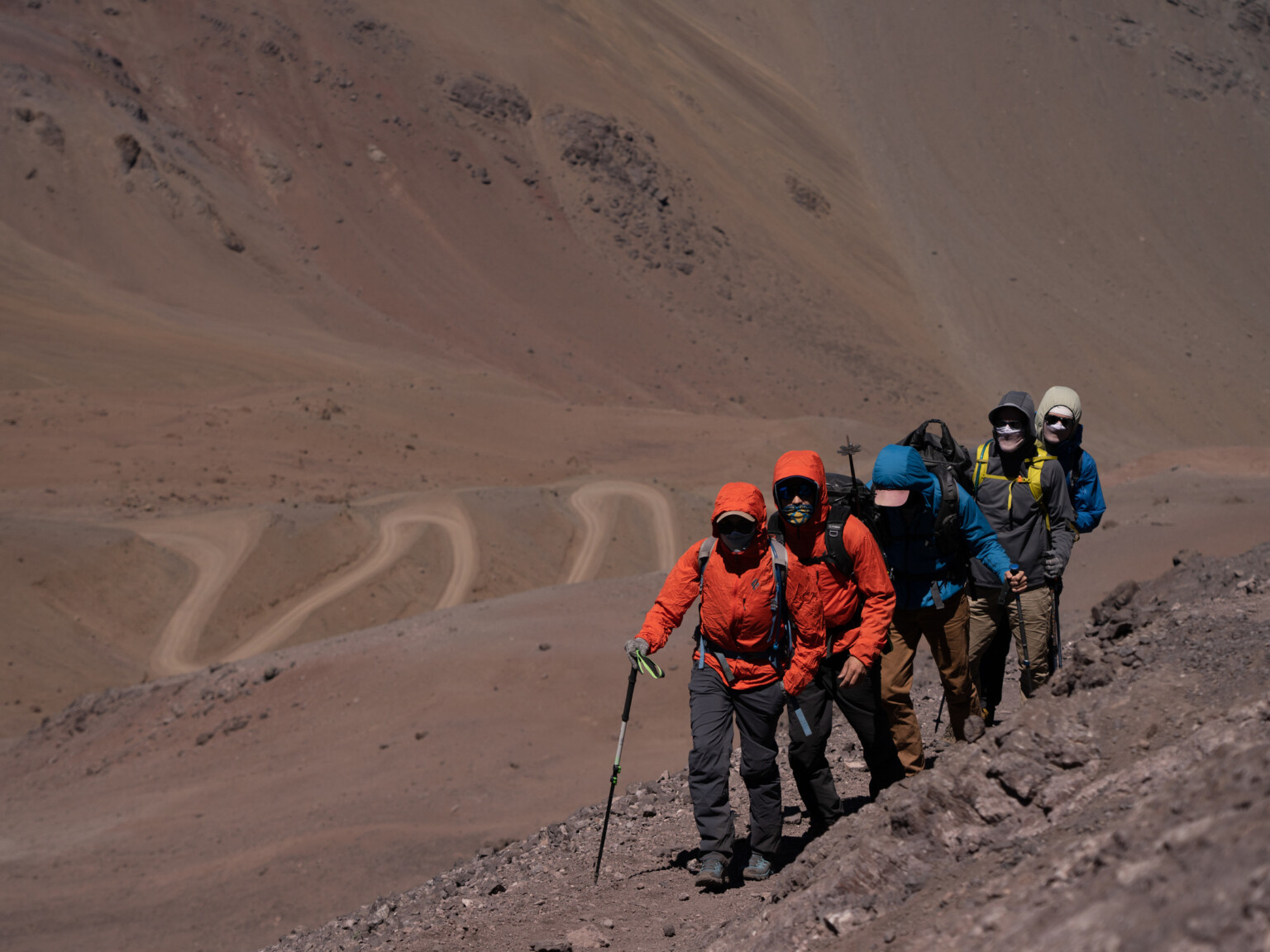
The Normal Route approaches from the west, up the Horcones Valley. From the park entrance at Horcones, you trek to Confluencia and then across the long, exposed Playa Ancha to Plaza de Mulas Base Camp at 14,300 ft / 4,350 m, beneath Aconcagua’s west face.
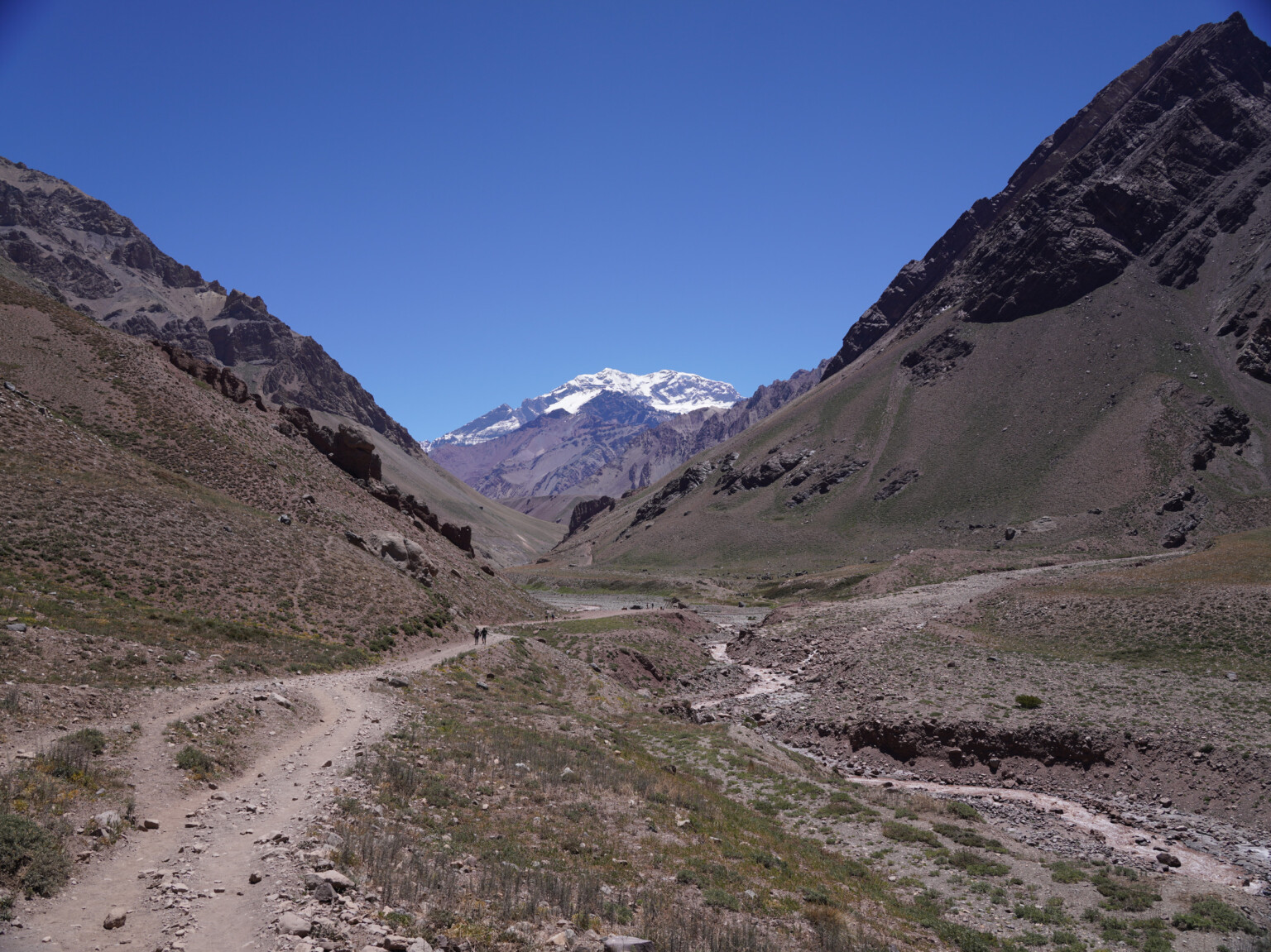
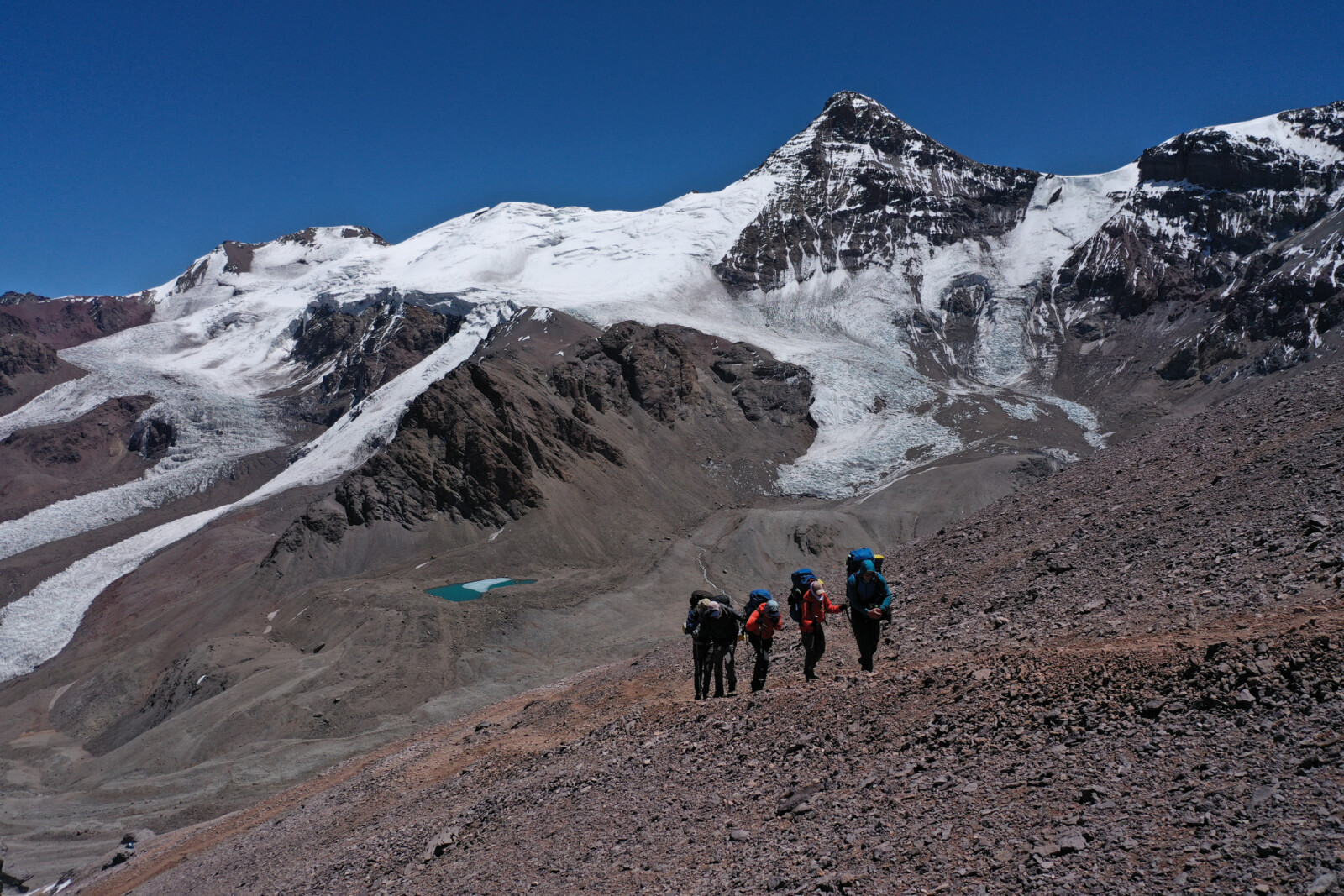
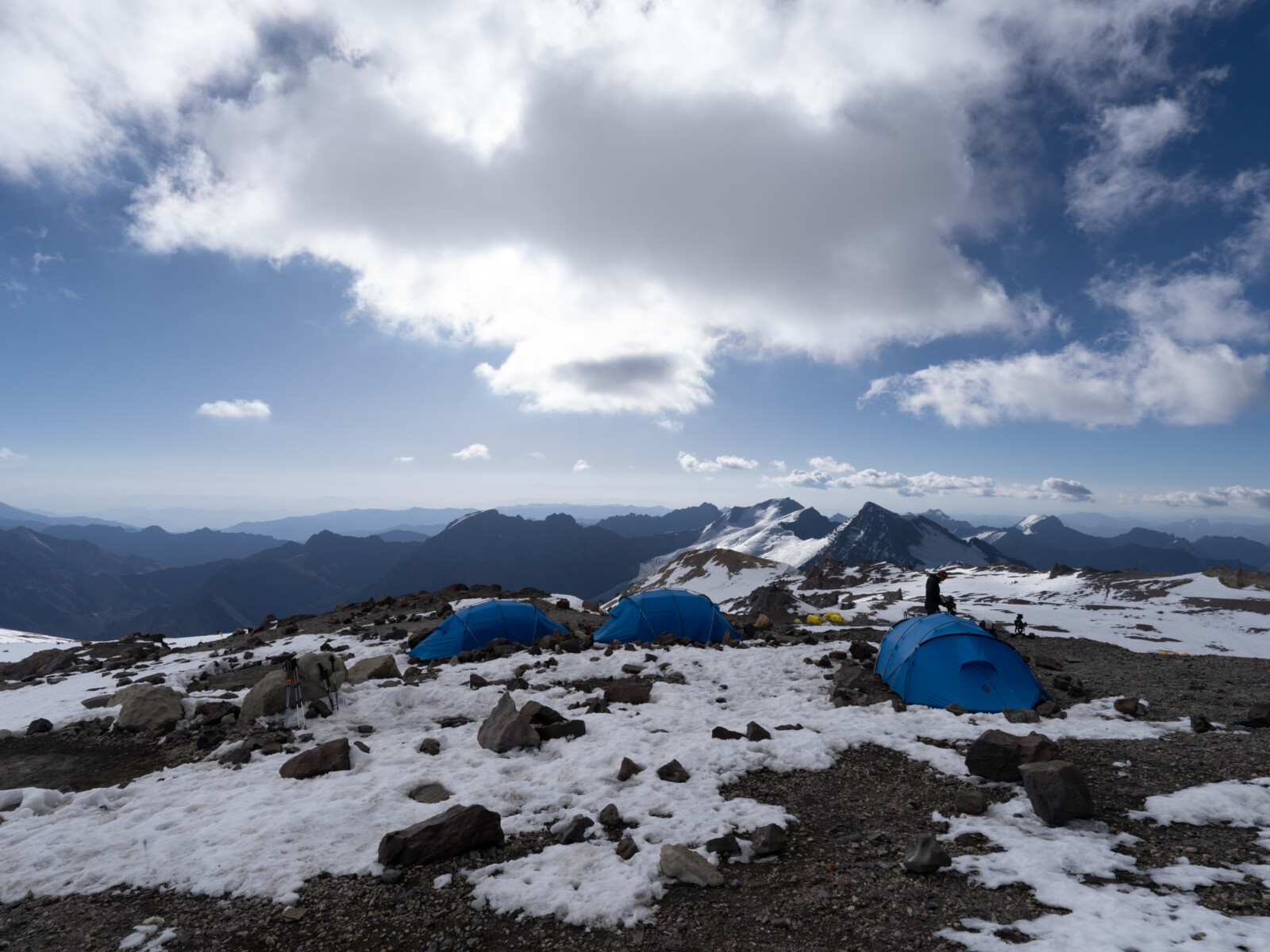
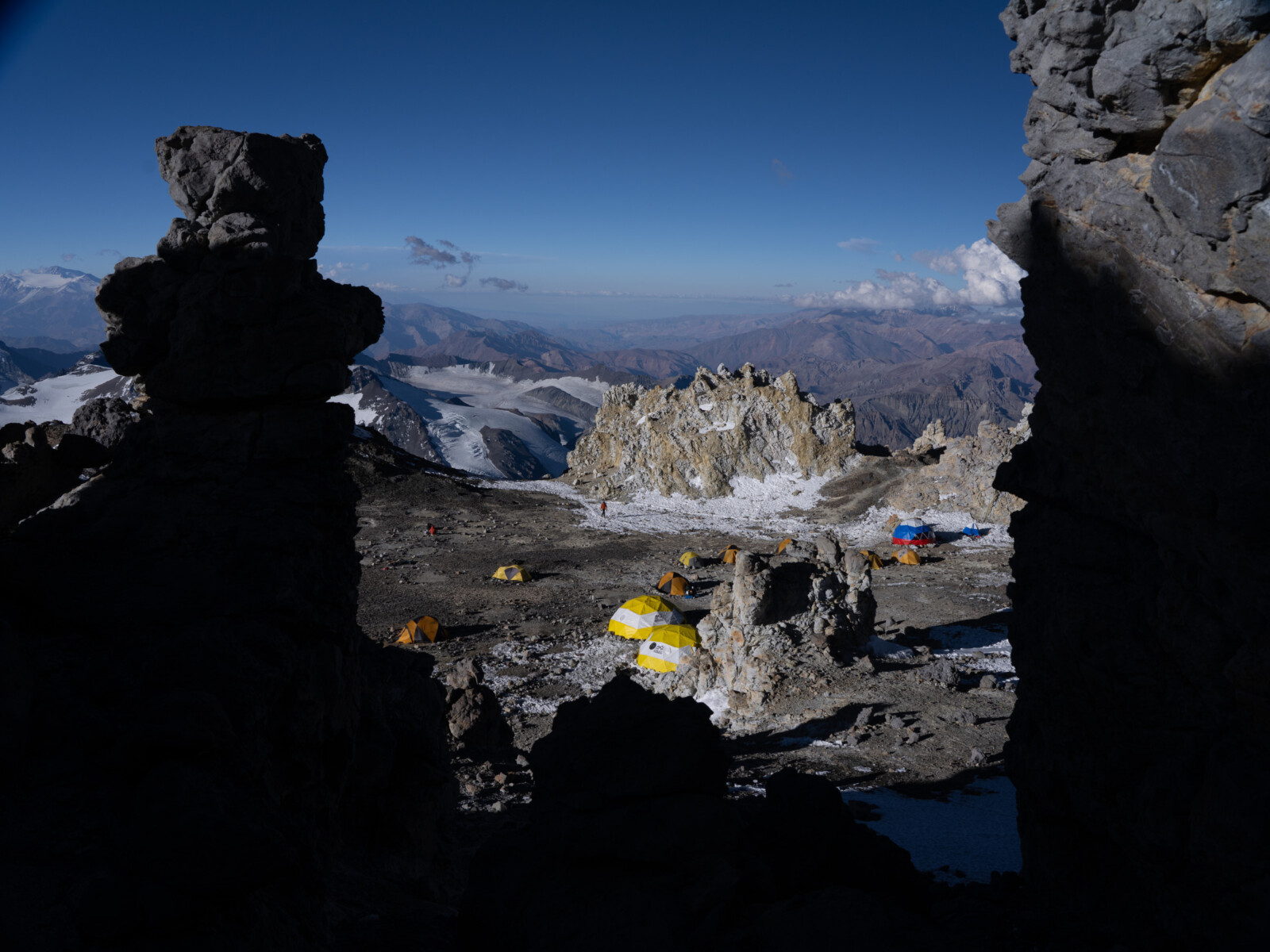
Above base camp the expedition moves through three high camps:
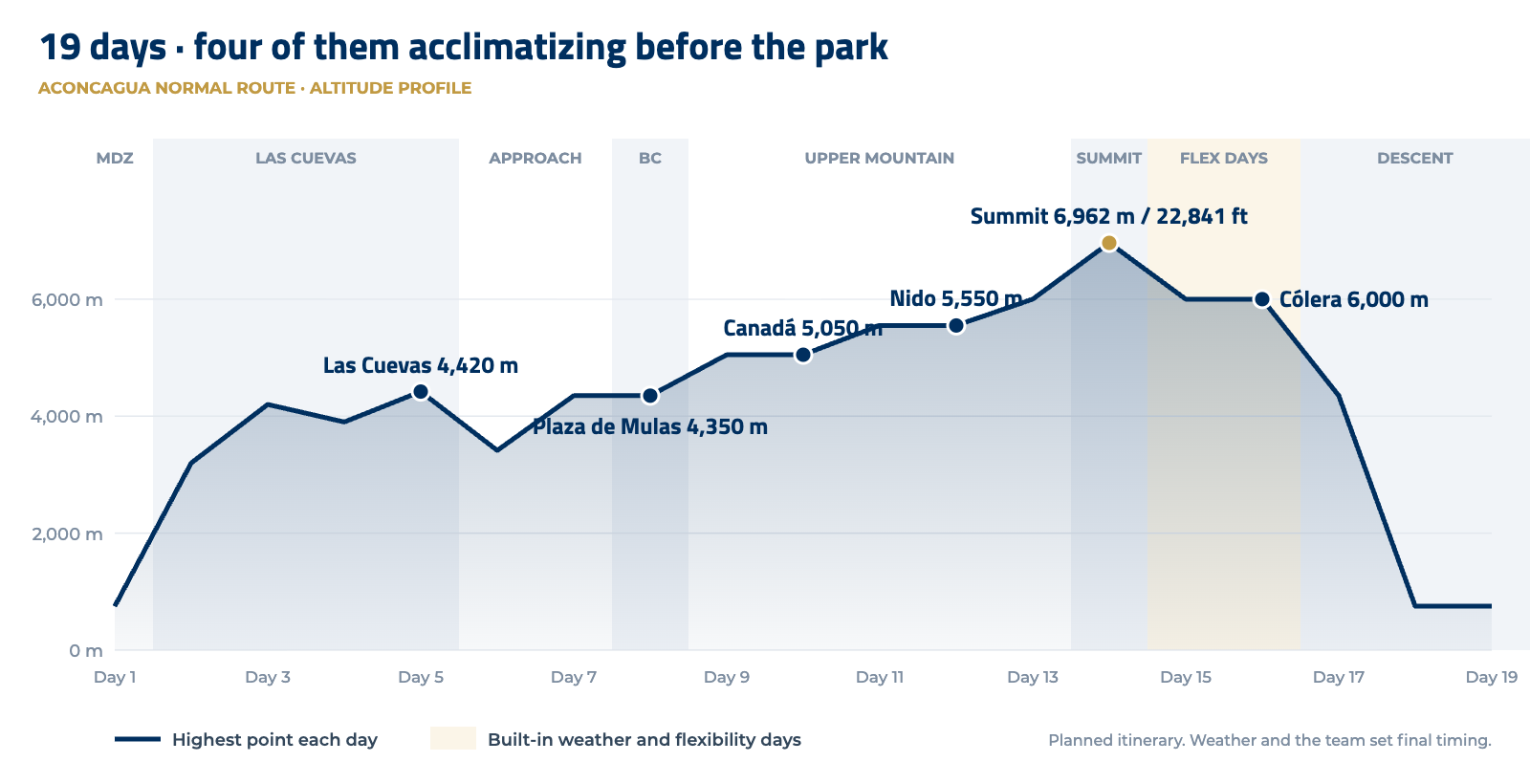
- Camp Canadá — 16,570 ft / 5,050 m
- Nido de Cóndores — 18,210 ft / 5,550 m
- Cólera — 19,685 ft / 6,000 m
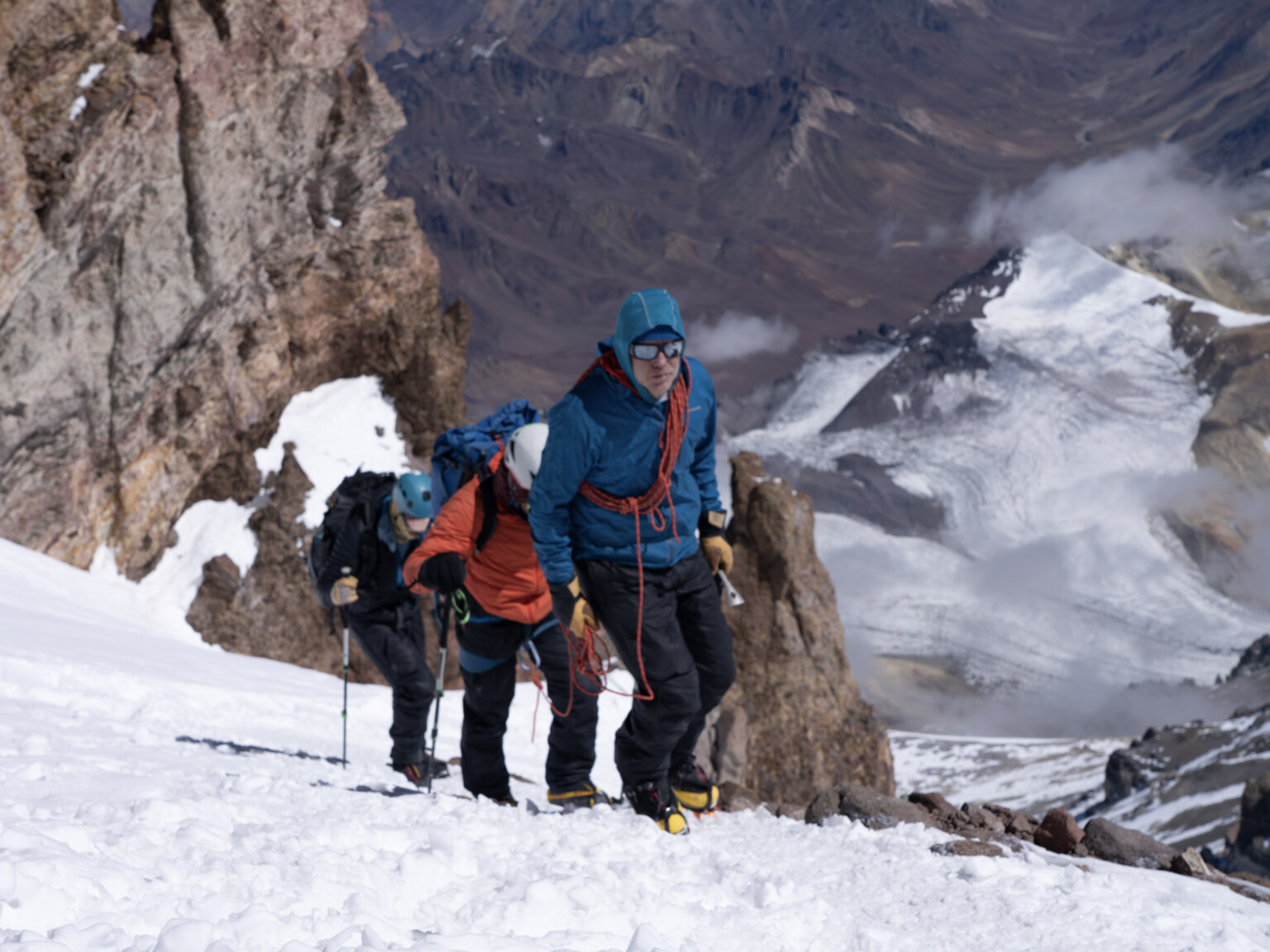
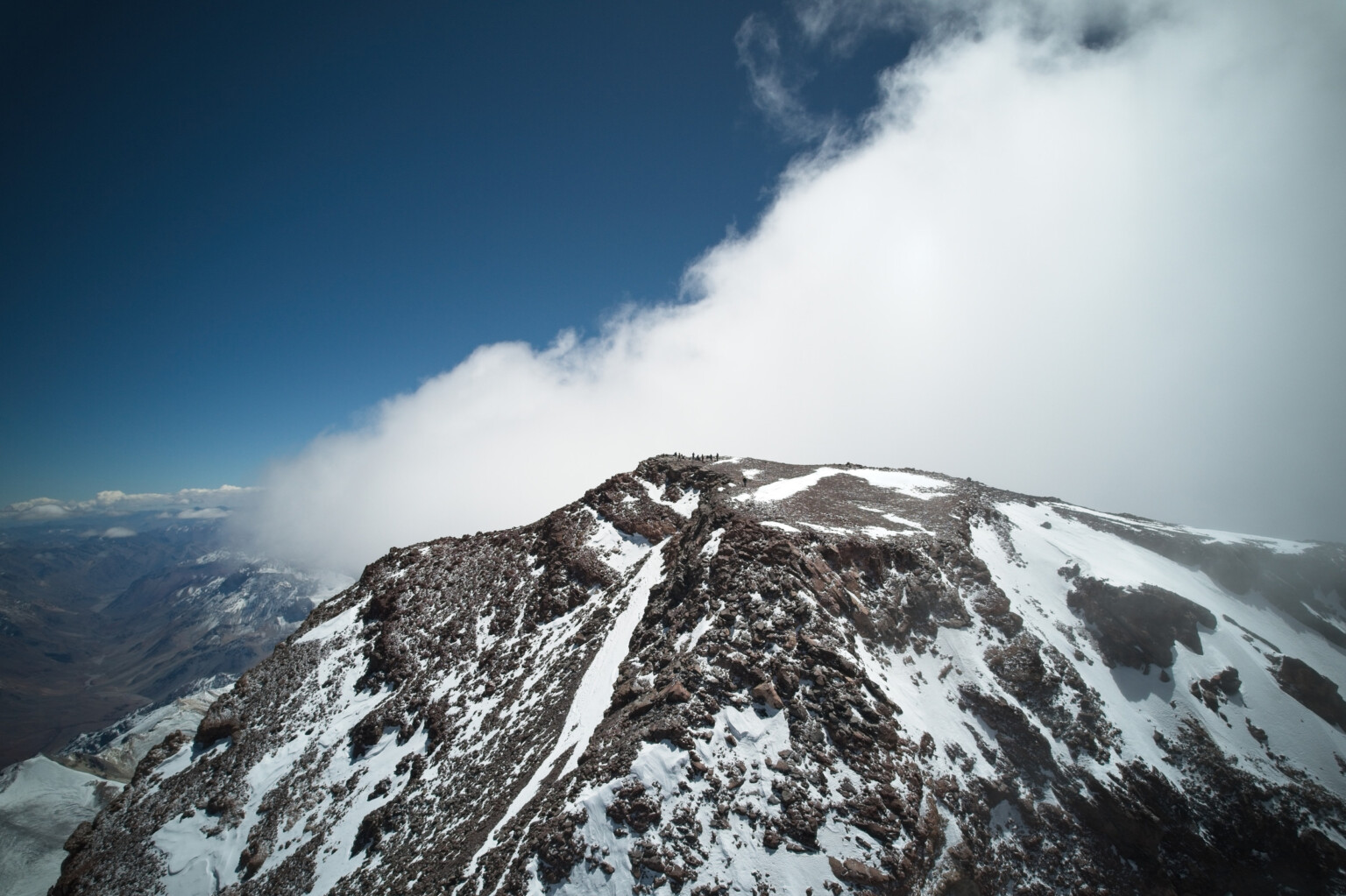
Summit day climbs past Independencia, crosses the long traverse below the summit ridge, climbs the steep Canaleta and follows the Guanaco ridge to the top. It is a 10- to 13-hour round trip from high camp, starting in the dark.
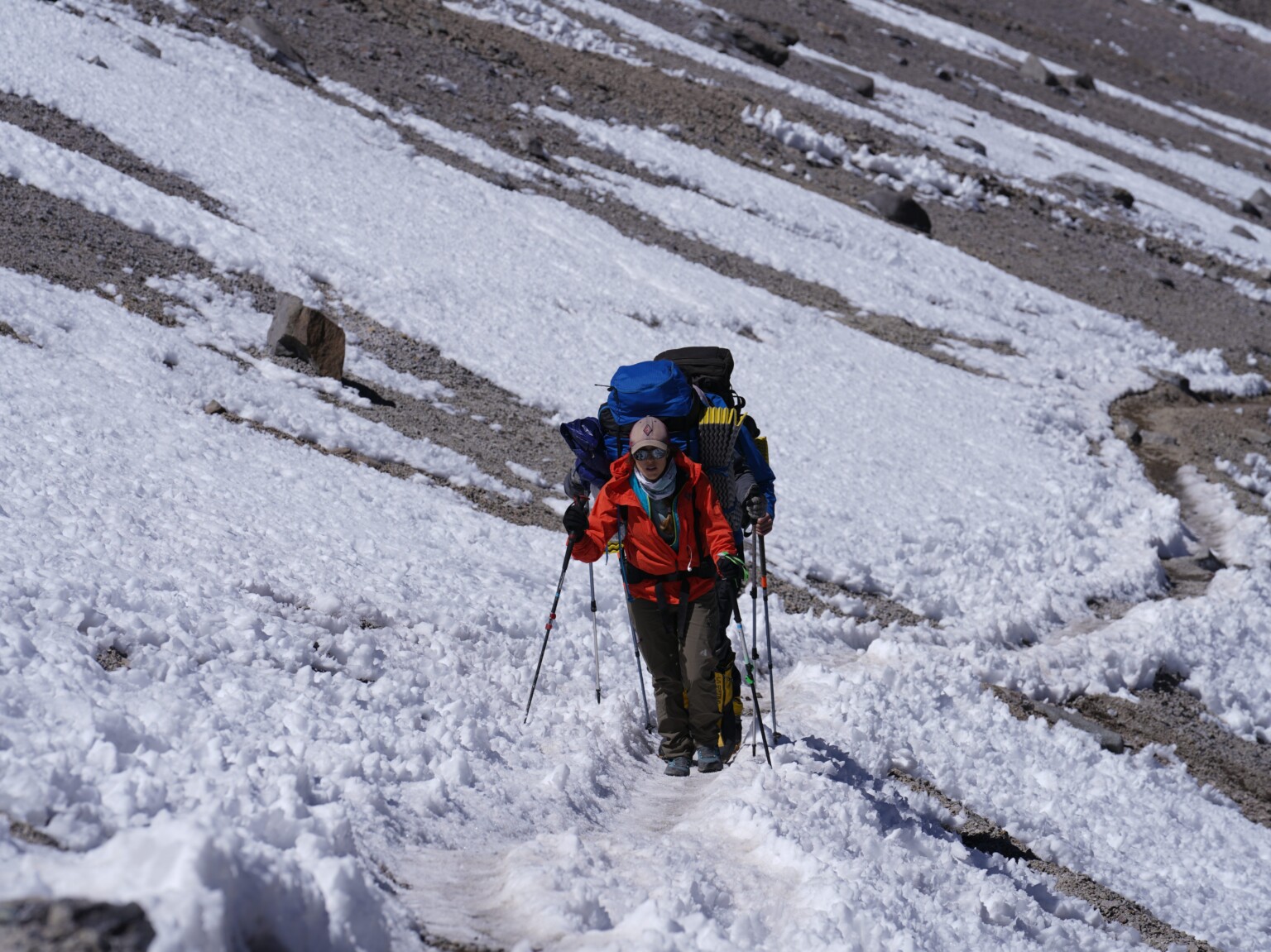
Mules carry designated loads on the approach. On the upper mountain, the team climbs high and sleeps low: carry loads to the next camp, return to sleep, then move up. That rhythm is how the body adapts.
The full 19-day schedule is on Day by Day.
Where Altitude Becomes an Expedition
Kilimanjaro can introduce you to altitude. Mexico and Ecuador can take you higher and start building mountaineering skills. Aconcagua asks something different.
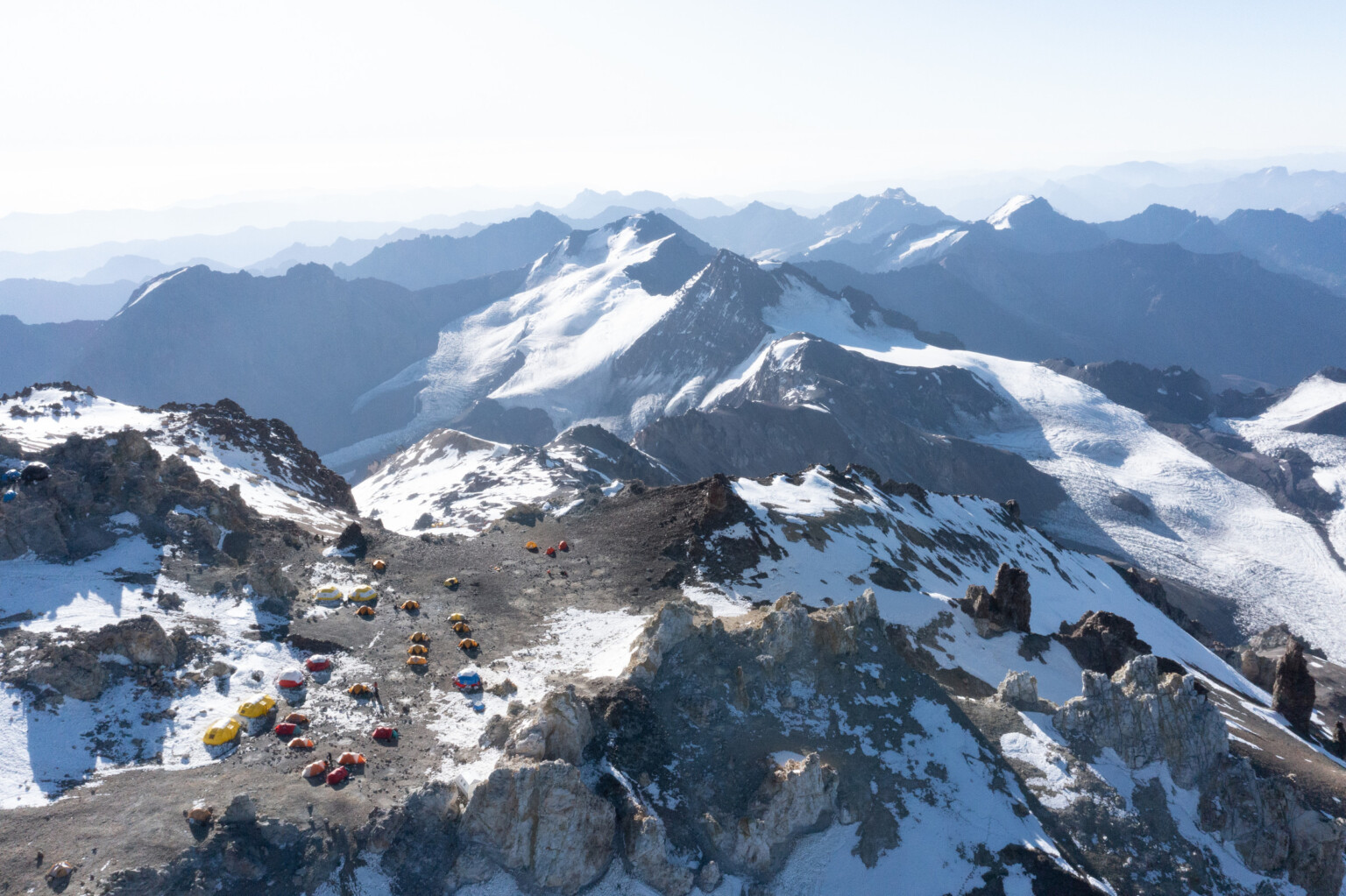
You are not climbing to a high summit and returning to a lodge. You are living on the mountain — moving through base camp and a series of higher camps, carrying part of what you need, sleeping higher, recovering, moving again, and managing your energy and your body over many consecutive days at altitude.
That makes Aconcagua one of the most valuable steps in high-altitude mountaineering. It is also a major objective in its own right: the highest mountain in the Western Hemisphere.
For some climbers, Aconcagua is the mountain they have been working toward for years. For others, it is the first serious step toward Denali, the Himalaya or an 8,000-meter peak. Either way, it is a real expedition — and it deserves to be run like one.
The BBE difference
We Start Acclimatizing Before Aconcagua
The biggest difference in our program happens before we enter the park.
Most expeditions drive from Mendoza to the park entrance and start walking. We don’t. Our teams spend four days based around Las Cuevas, near the Argentine–Chilean border:
- Sleeping at about 10,500 ft / 3,200 m
- One night in expedition tents near 12,800 ft / 3,900 m
- Acclimatization climbs reaching about 14,100–14,500 ft / 4,300–4,420 m
The purpose is not sightseeing. It is to give your body more time at altitude before the expedition goes high, so that by the time you reach Plaza de Mulas you have already been living and moving there for days. More time at moderate altitude gives the body a better chance to adapt. It does not guarantee acclimatization — nothing does — but it is the step we will not skip.
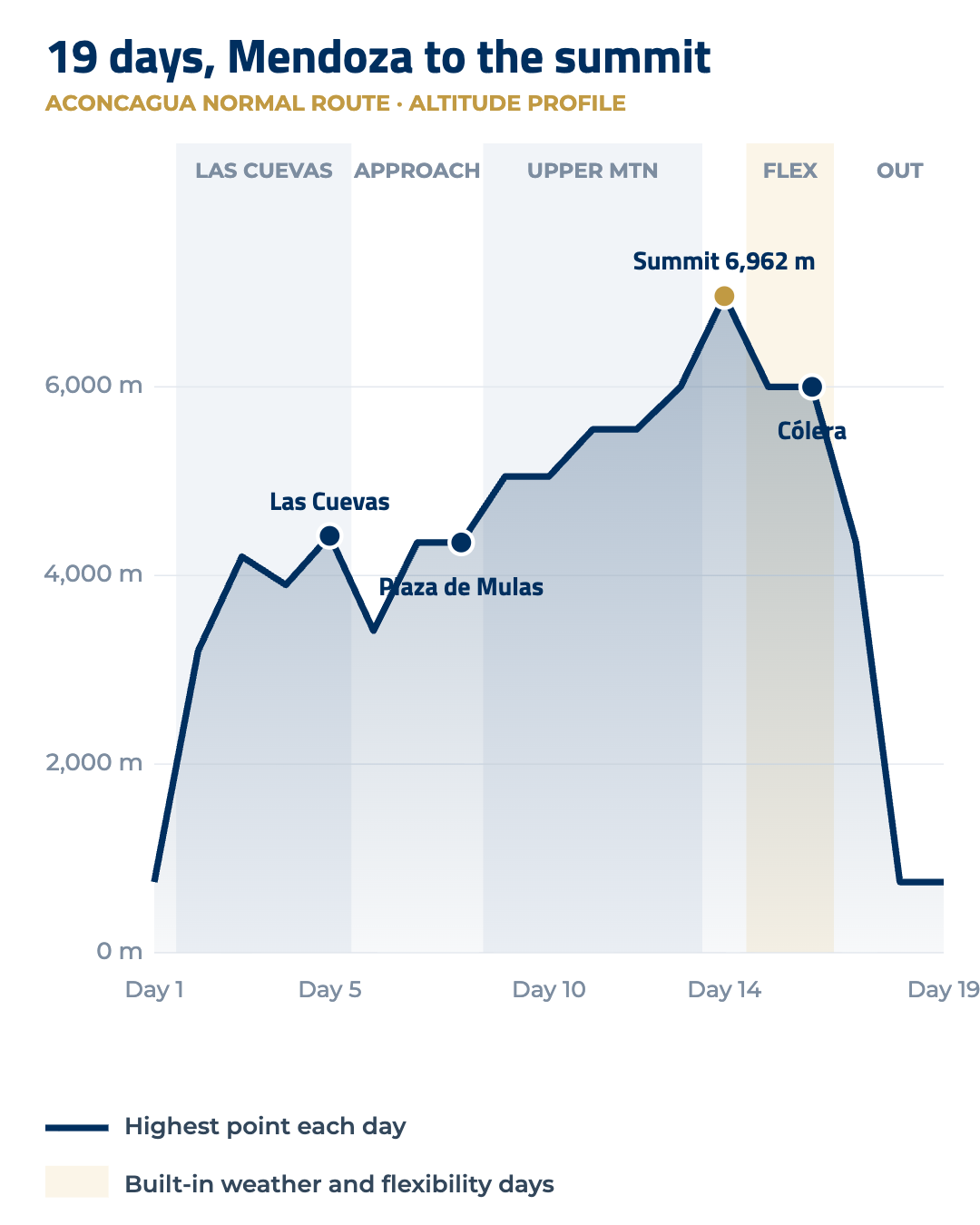
These days also give your guide time to learn something important: how you are actually responding. How are you sleeping? Eating? Hydrating? Recovering? Moving? We use the same days for a gear check and to settle camp routines close to a road, not at 18,000 feet.
Small Teams. Real Guide Attention.
Scheduled departures are capped at six climbers, with a ratio of one guide for every three climbers:
- 1–3 climbers: one guide for the whole expedition
- 4 climbers: one guide from Mendoza; a second guide joins at Plaza de Mulas for the rest of the expedition
- 5–6 climbers: two guides from Mendoza
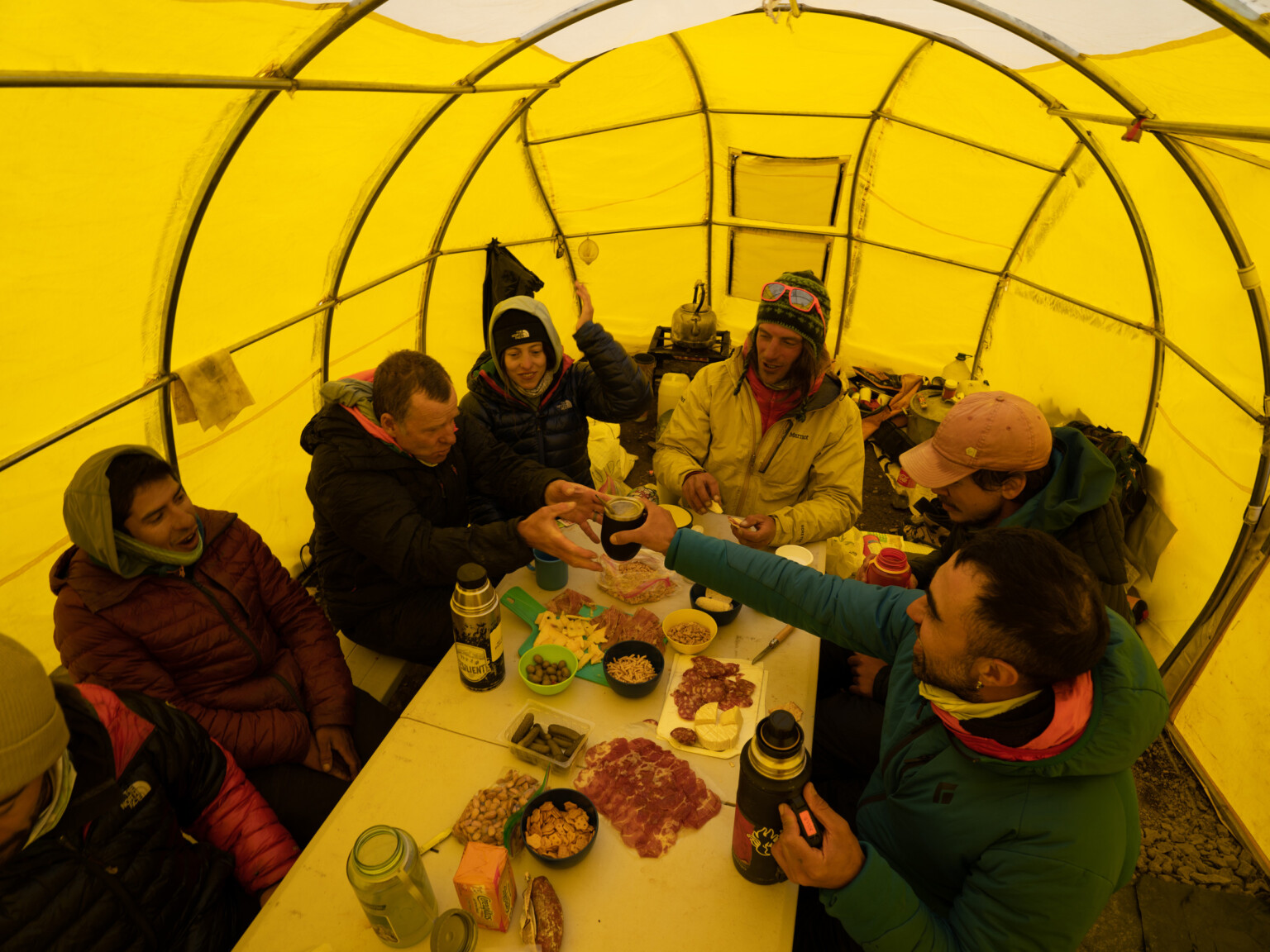
Plaza de Mulas also has local base camp staff — camp managers and cooks — who support the expedition. We don’t count them as climbing guides.
Once the expedition is on Aconcagua, porters support each move from one camp to the next, at one porter for every two climbers. They carry part of the group equipment and supplies along with some personal gear; your own pack weight on those days depends on how much group gear, food and personal equipment is left to carry. During the Las Cuevas phase and on carry days, you carry your own load. Optional personal porter service is available if you want to lighten your pack further.
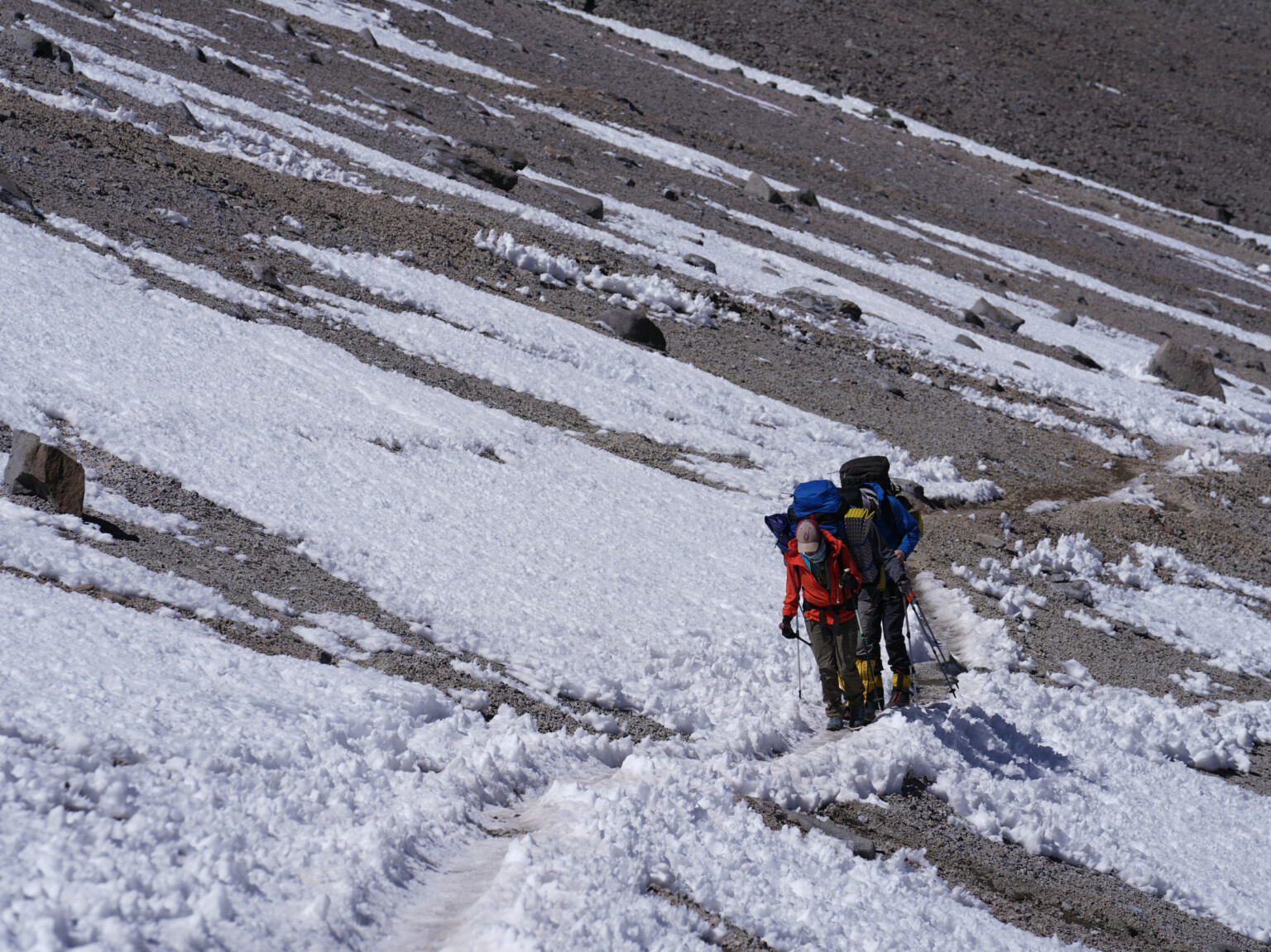
A small team isn’t about exclusivity. It is about being able to watch each climber closely and make decisions for individuals — because six people never acclimatize, recover or move exactly the same way. On summit day it is the difference between moving at a pace you can sustain and standing still in the cold waiting for others.
If you are comparing operators, compare team size, guide ratio, guide certification and the acclimatization schedule. Those answers tell you more than a price list.
Certified Guides
The program is built and managed to IFMGA standards — the international benchmark in the guiding profession. Every expedition is led by an internationally or nationally certified guide selected to BBE standards — IFMGA, AMGA (American Mountain Guides Association) or the Argentine Association of Mountain Guides — with experience across the Andes, the Himalaya, the Alaska Range and Patagonia.
Safety and Logistics
On a mountain close to 7,000 meters, safety is a system, not a slogan. Every expedition includes:
- Emergency oxygen carried on the upper mountain
- A full expedition medical kit, and guides trained in high-altitude field medicine
- Radio and satellite communications carried by the guide team
- Starlink satellite internet carried by the guide team — used for weather data and short messages, and limited to a few minutes a day by battery capacity
- Daily monitoring of every climber: pace, oxygen saturation, hydration, appetite and recovery
- Two required park medical checks, at Confluencia and Plaza de Mulas
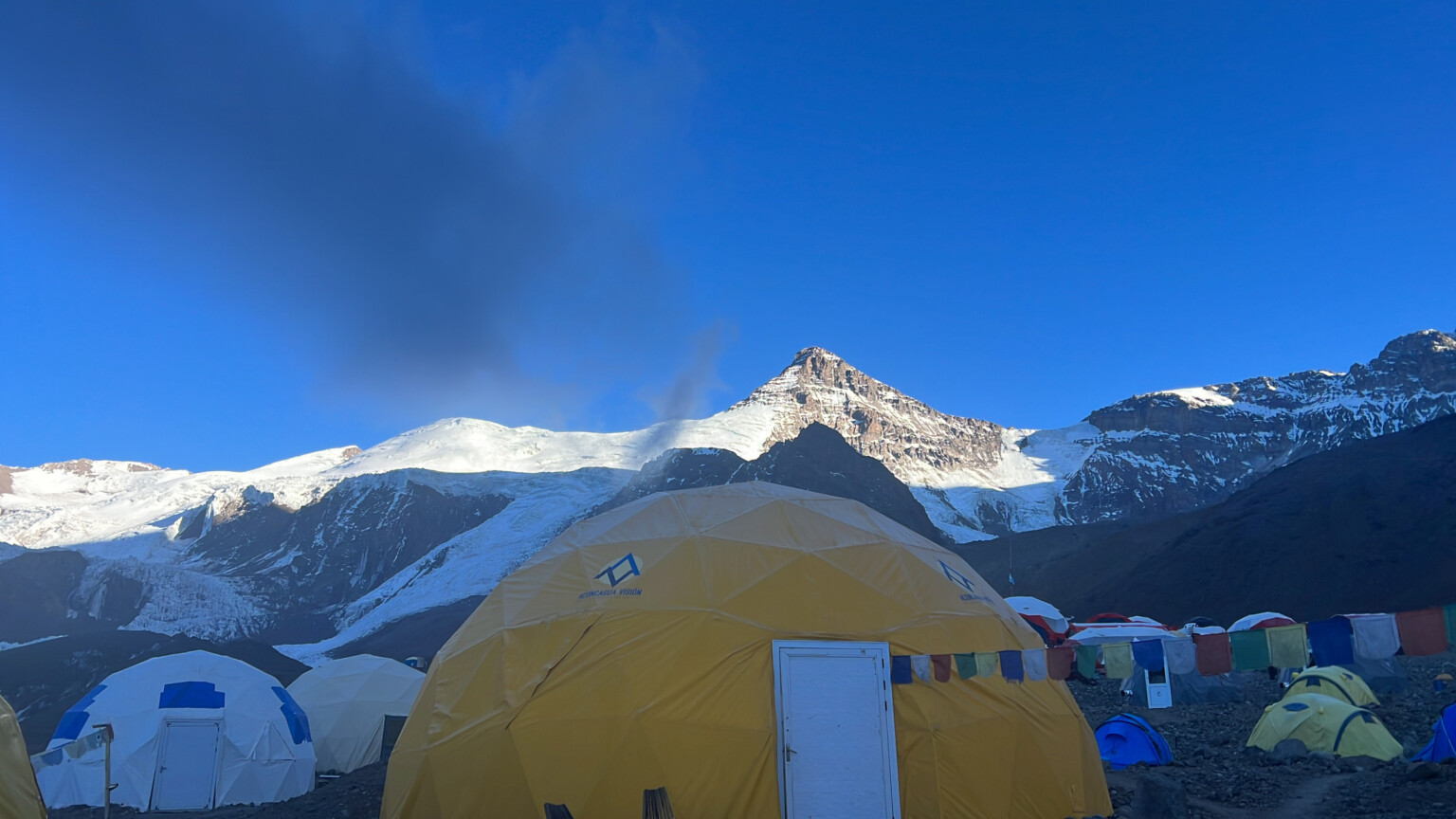
Logistics follow the same thinking: transport from Mendoza, permit processing, mules for the approach loads, porter support on camp-move days, and a full-service base camp at Plaza de Mulas. Good systems save energy, and saved energy is what you spend on summit day.
Emergency evacuation depends on weather, location and operating conditions, and is never guaranteed. That is why rescue and medical evacuation insurance is required. See Trip Insurance & Evacuation Coverage.
Summit Strategy
No one can promise you the summit of Aconcagua. Be wary of anyone who does.
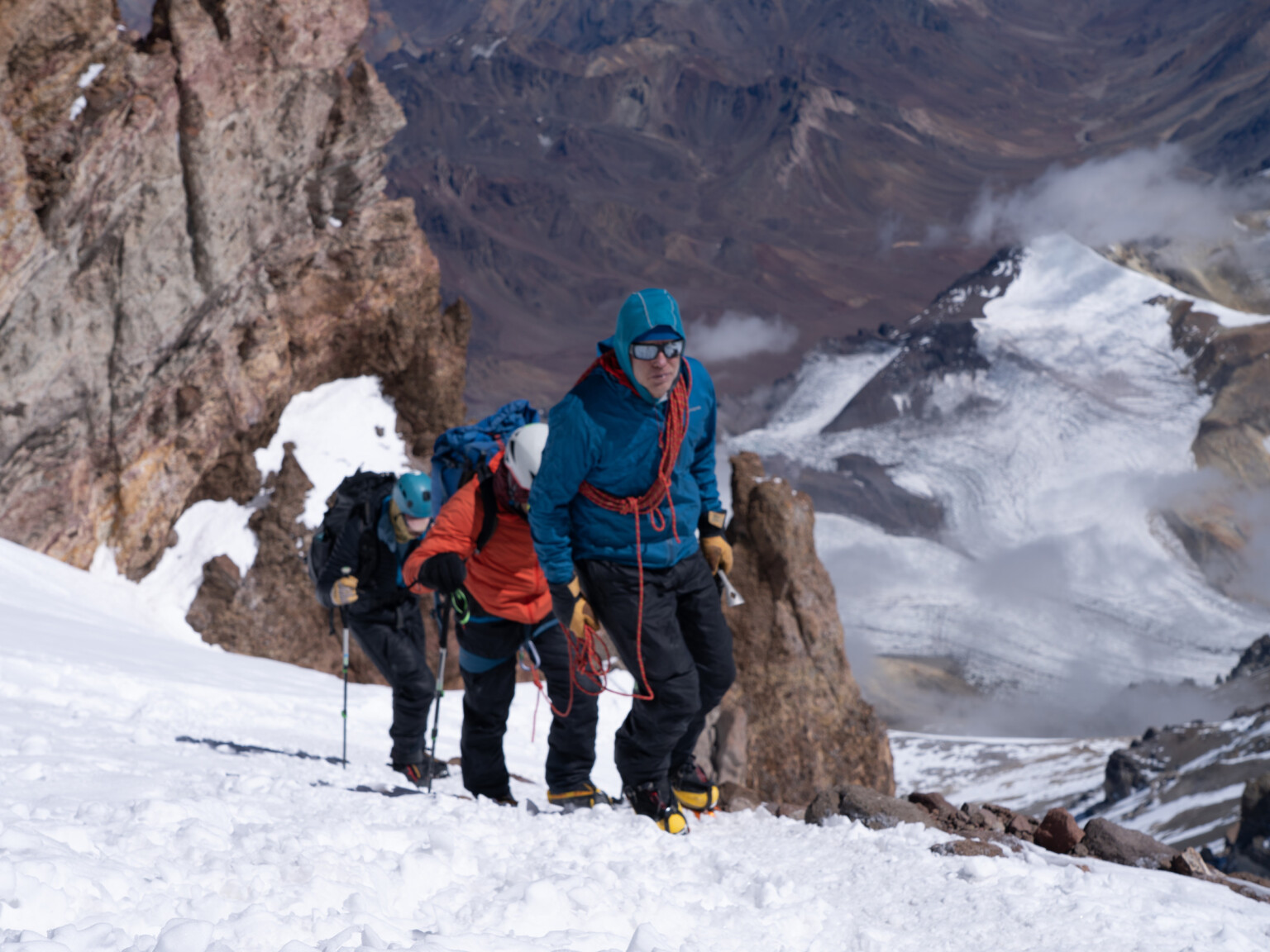
What we can do is put you in the best position to reach it: real acclimatization before the park, a small team, certified leadership, individual pacing, built-in weather days and careful reading of wind and weather windows.
Your health and honest judgment come first. On this mountain, turning around at the right moment is a professional decision, not a failure.
Why Climb With a Guide?
The park allows independent climbing, and for highly experienced expedition climbers it can be a legitimate choice. But you take on every decision yourself — acclimatization schedule, weather calls, logistics and your rescue margin.
Most people who struggle on Aconcagua are not short on courage. They are short on the pattern recognition that tells you when the wind is survivable and when it isn’t. That judgment is what you are really hiring.
Built by the Benegas Brothers
This mountain came before the company.
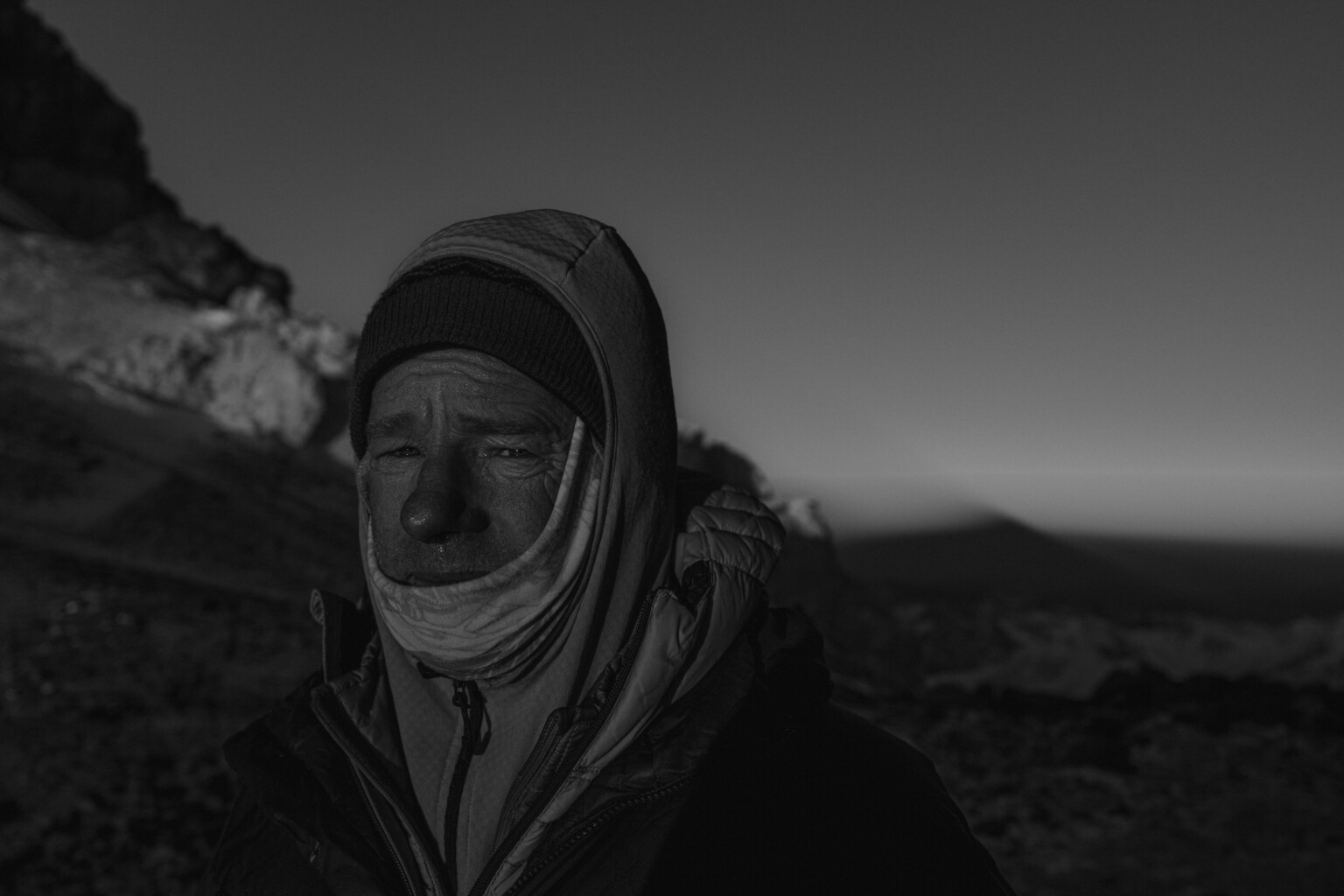
Damian and Willie Benegas made their first successful ascent of Aconcagua together in the 1988–89 season. Benegas Brothers Expeditions did not exist yet. They kept coming back — as climbers, then as guides, on the Normal Route, on technical terrain and on different sides of the mountain. Between them, the brothers have stood on the summit more than 100 times.
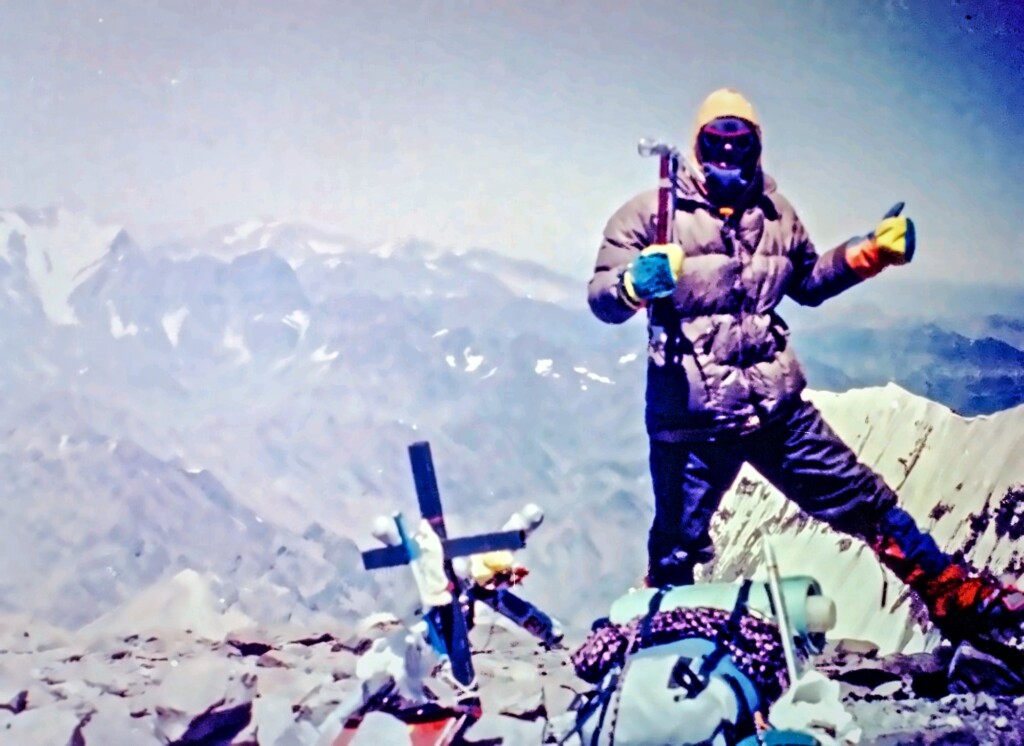
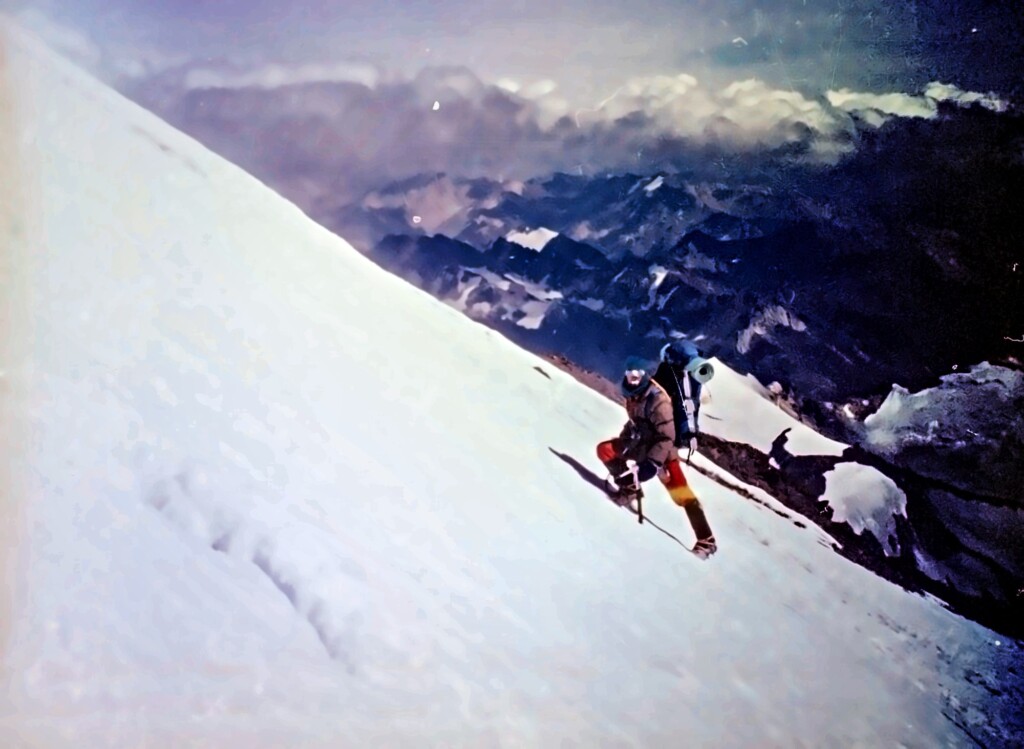
1988–89 — The first summit.
Damian and Willie make their first ascent of Aconcagua together.
1990s — From climbers to guides.
Aconcagua becomes a recurring part of their climbing and guiding lives as Benegas Brothers Expeditions develops.
2000–01 — Pushing what was possible.
Aconcagua becomes terrain they know well enough to explore in very different ways, including Willie’s one-day Horcones–summit–Horcones ascent.
2002 — Flight of the Condor.
Exploration of the West Face leads Damian and Willie onto new terrain and the first ascent of Flight of the Condor.
Today — Experience passed forward.
Decades on the mountain have become an expedition system: preparation, acclimatization, local relationships, guide standards, logistics and judgment.
BBE today is bigger than two brothers. Scheduled expeditions are delivered by a professional guide team working to the systems and standards the brothers built. Willie or Damian personally lead custom expeditions when requested, confirmed in writing — see Private & Custom Expeditions.
The history matters only if it changes how your expedition is run. That is where it shows up. Read Willie and Damian’s story.
Who This Expedition Is For
This expedition fits motivated climbers who want a real high-altitude expedition, run properly. Typical climbers include:
- Experienced trekkers ready for high-altitude mountaineering
- Climbers coming from Kilimanjaro, Mexico, Ecuador or high treks who want a bigger objective
- First-time expedition climbers who want to learn from a professional team
- Seven Summits climbers and climbers building toward Denali or the Himalaya
You do not need technical climbing experience. You do need excellent endurance, the ability to carry loads day after day, and the patience to live well at altitude. Every climber is personally reviewed before booking. For an honest assessment, read Is This for Me?
Other Ways to Climb Aconcagua
The 19-day Normal Route is the expedition we recommend for most climbers. Two other options exist for climbers with different needs.
Ready to Climb Aconcagua?
Aconcagua tests discipline, patience and humility. For many climbers it is the biggest thing they have ever done.
Tell us about your climbing background
Your training and the highest altitude you have reached. We will tell you honestly whether this expedition is right for you now. See dates and prices. · climbing@benegasbrothers.com