The Climb
Ojos del Salado · Atacama Desert, Chile · 22,615 ft / 6,893 m · 14 Days · Maximum Six Climbers
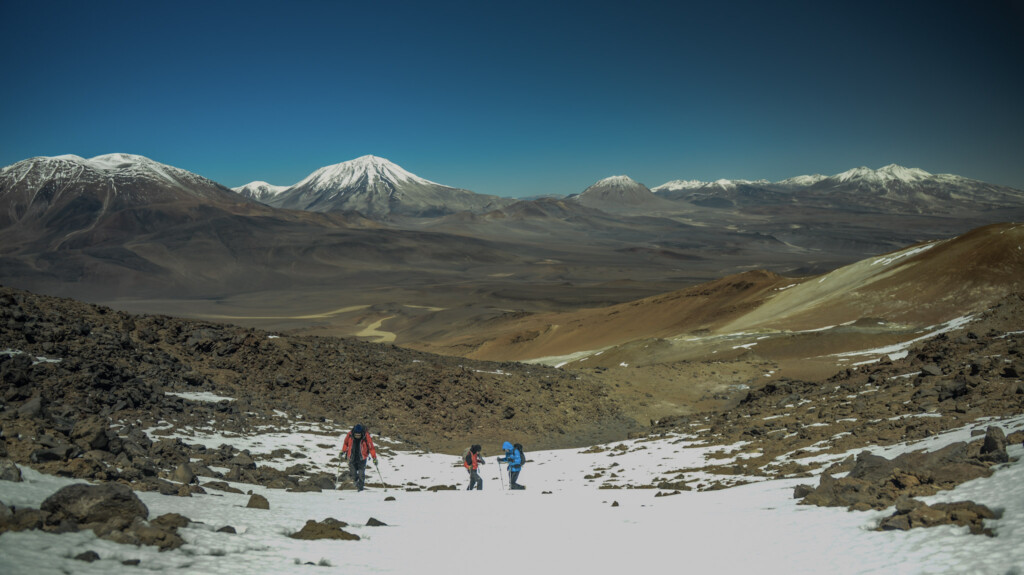
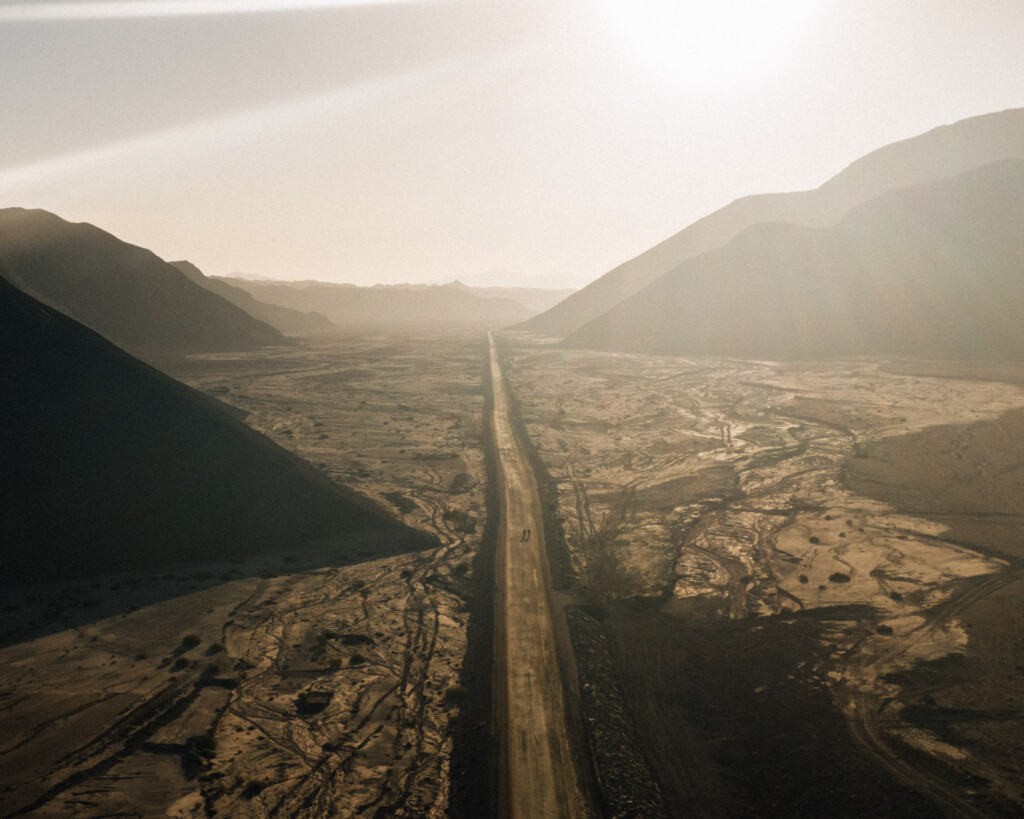
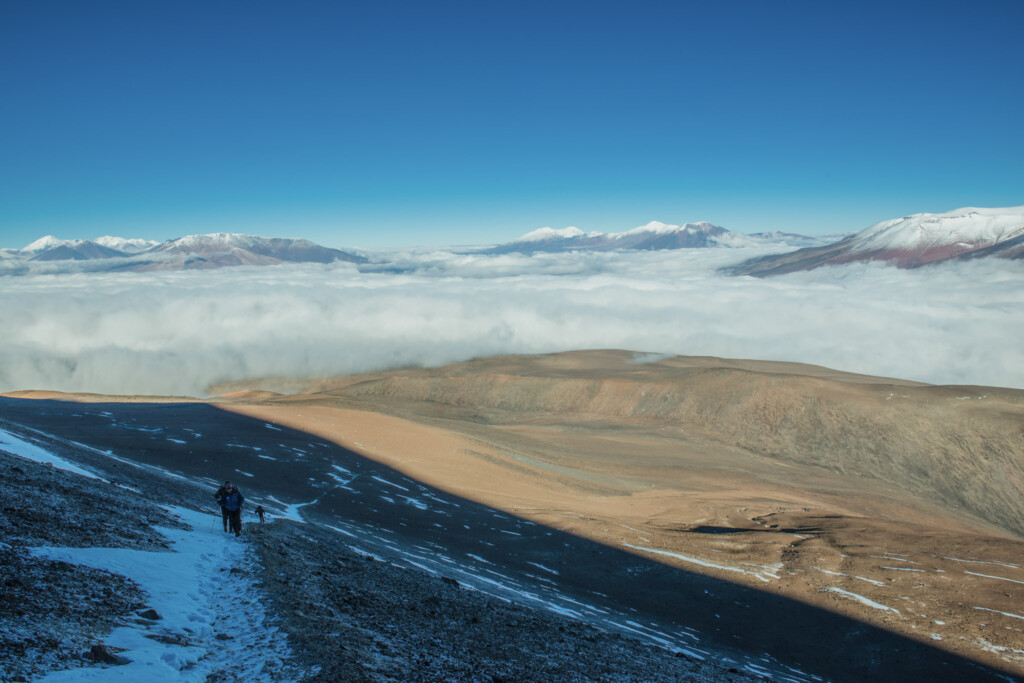
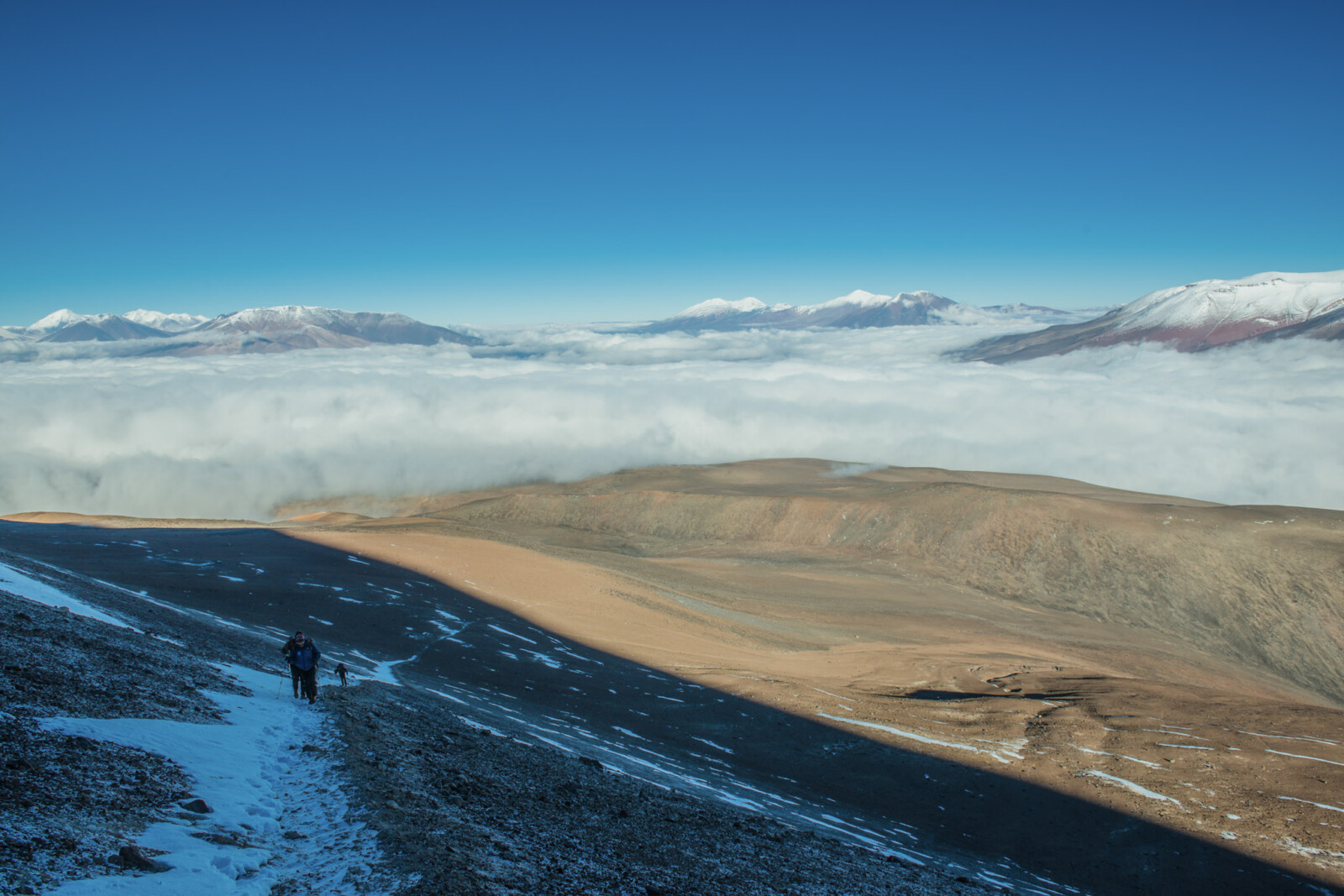
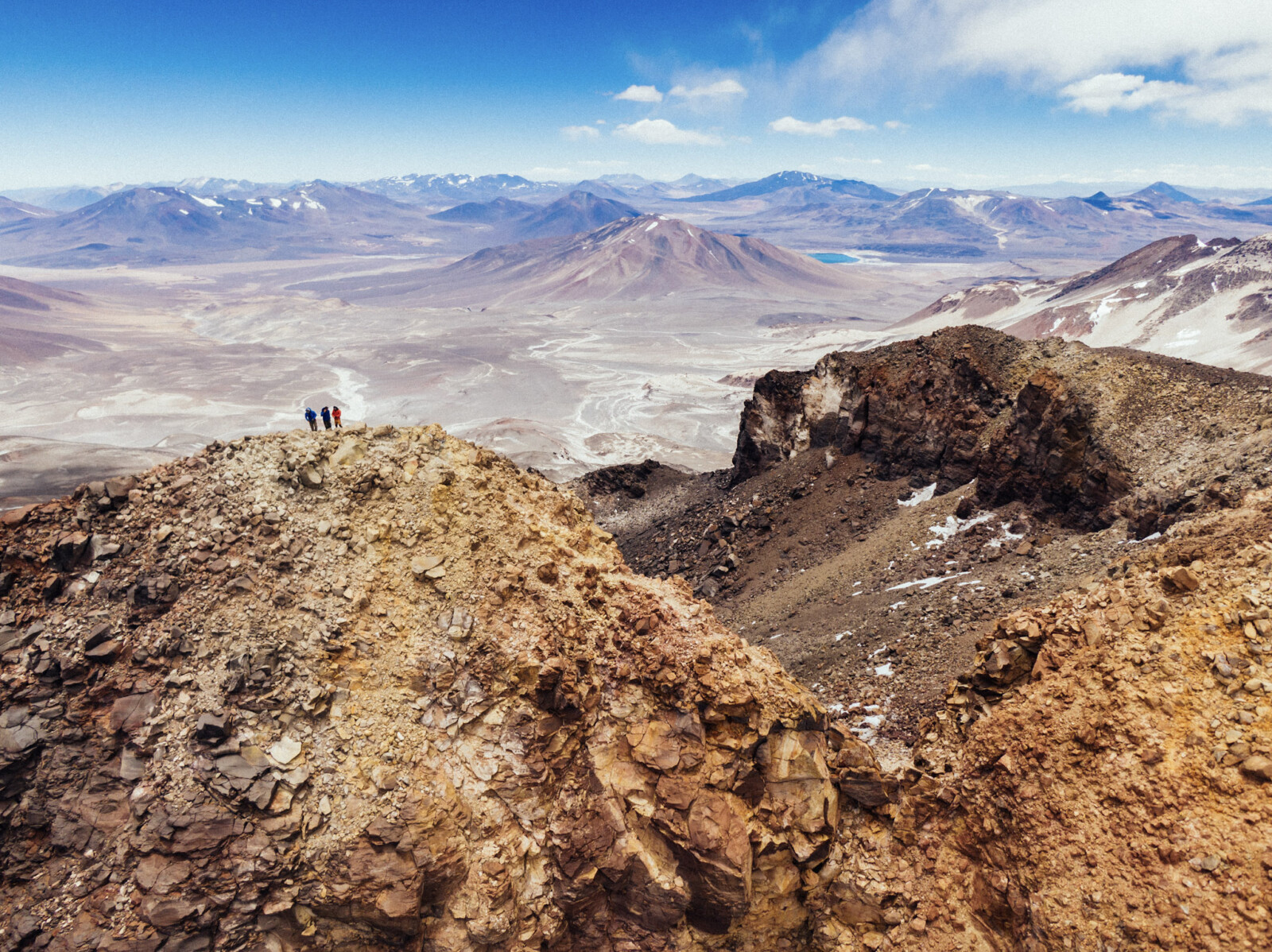
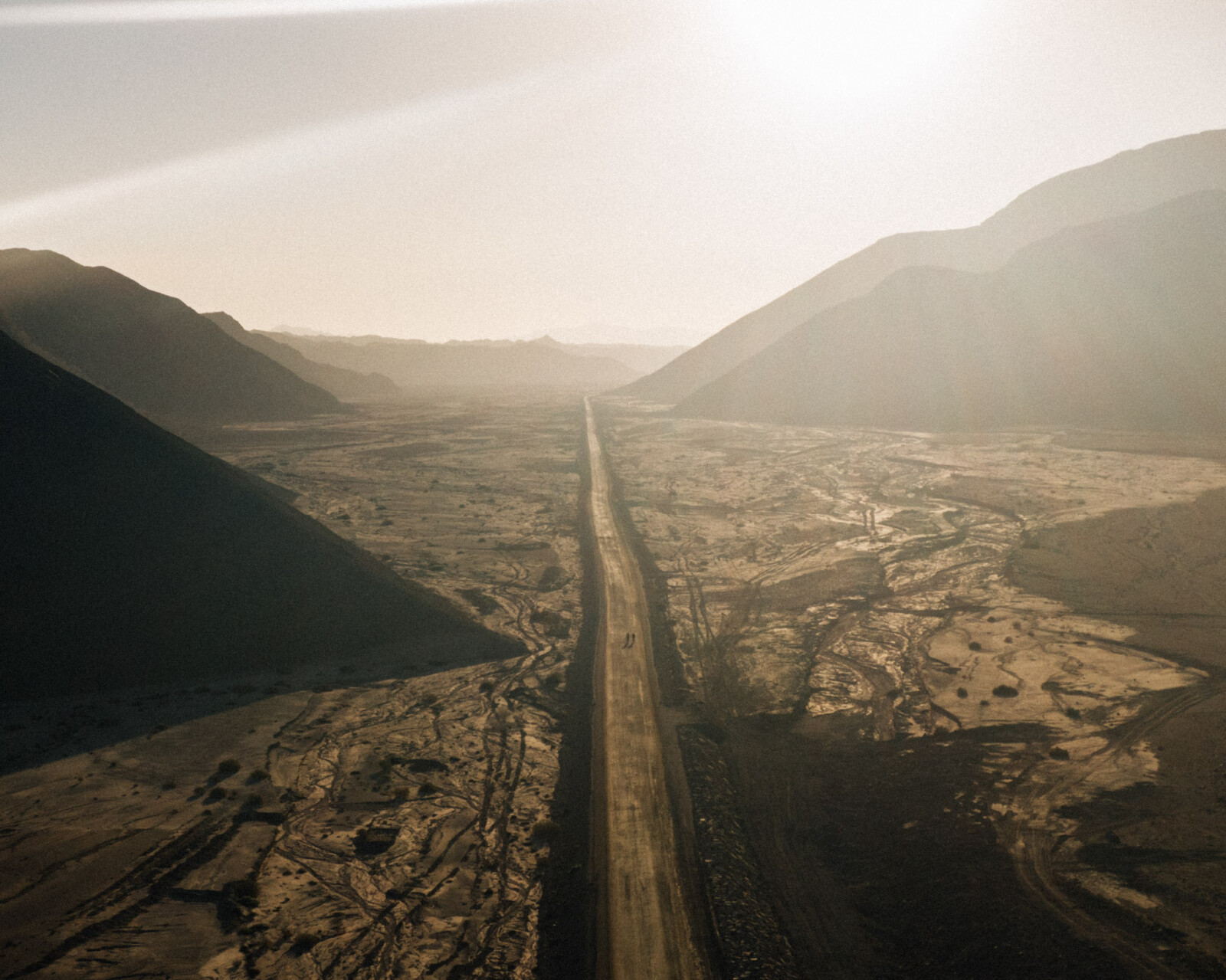
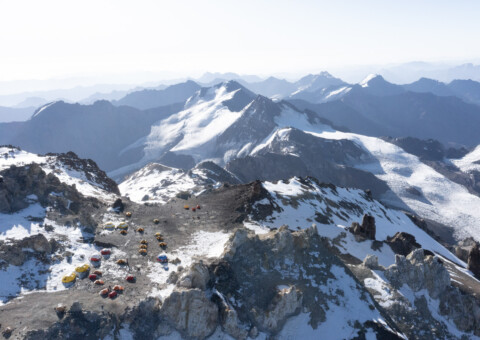
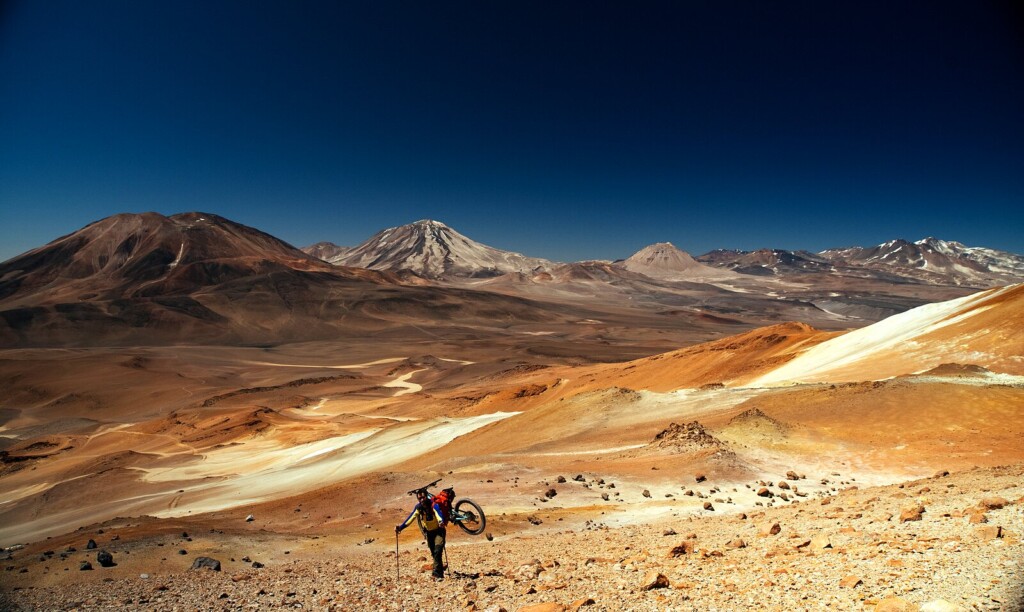
Ojos del Salado is the highest volcano on Earth and the highest mountain in Chile. It sits in the Atacama, one of the driest places on Earth, ringed by salt flats, turquoise lagoons and a skyline of volcanoes above 19,700 ft / 6,000 m.
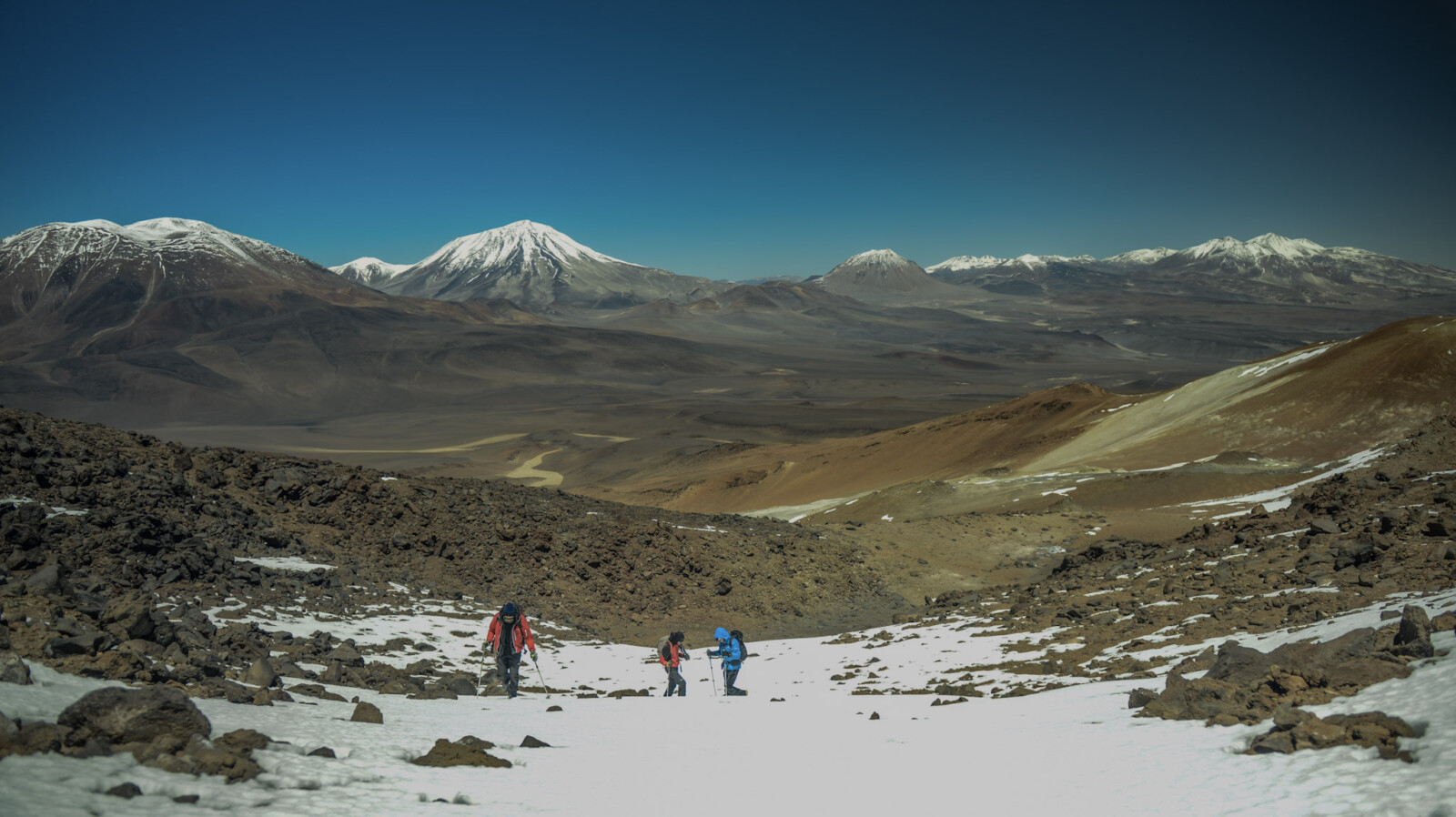
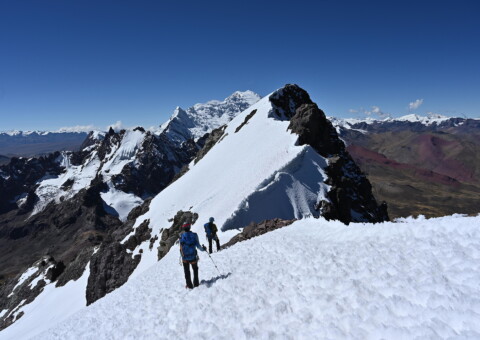
The standard route holds no sustained technical climbing. There is a short rock and scrambling step near the top, where we use helmets, harnesses and rope. What Ojos demands instead is the ability to arrive at 22,615 feet properly acclimatized, and to perform there in wind, cold and extreme dryness.
That is what this expedition is built to do.
The Mountain
A geological footnote worth knowing while you stand on it: Ojos has no confirmed eruption in recorded history. The last confirmed activity was roughly 1,300 years ago, but the volcano is still considered active, and fumarolic steam and gas were observed near the summit as recently as 1993.
The Road to 22,615 Feet
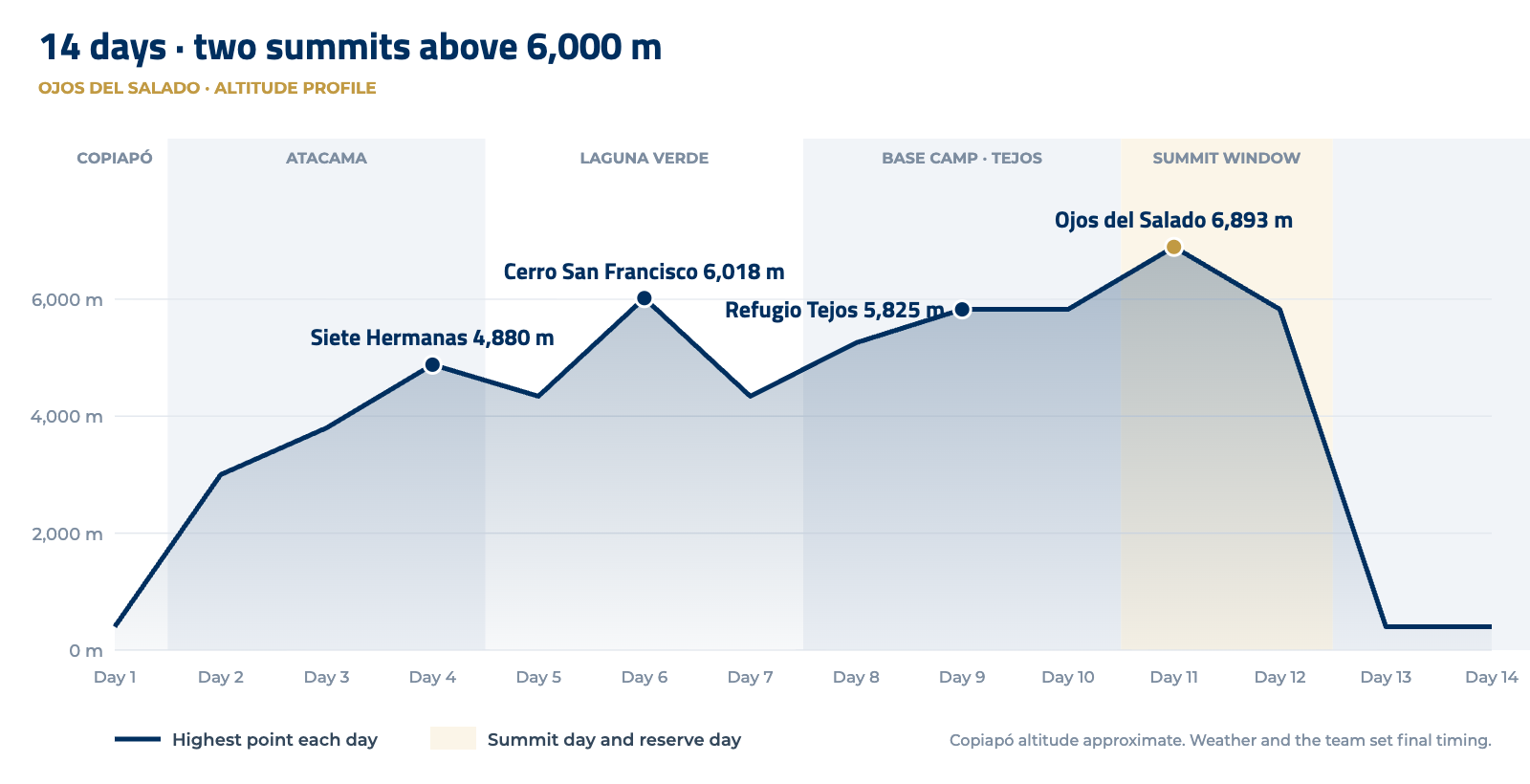
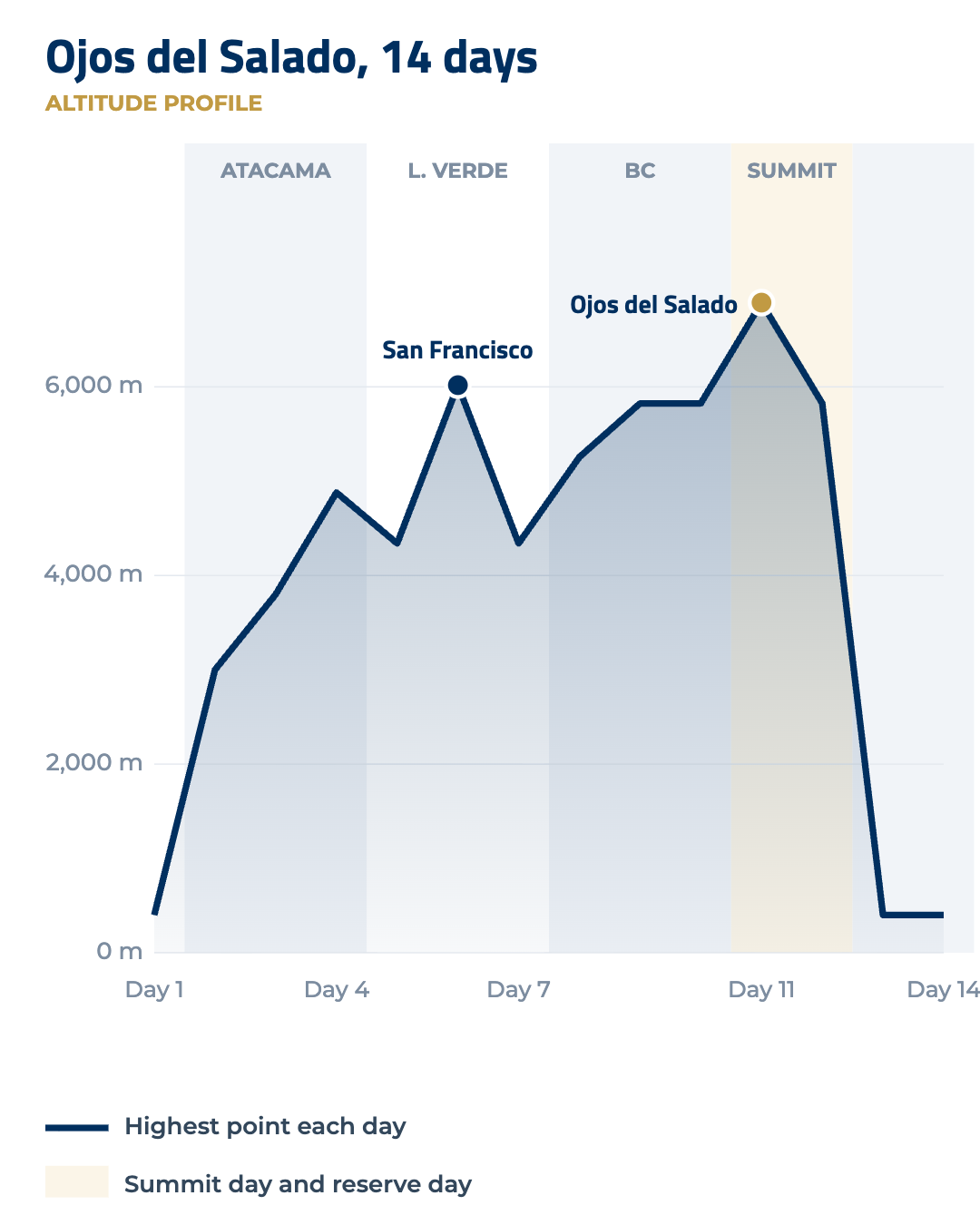
We do not drive straight to the mountain. Over the first week, the expedition climbs the desert itself in deliberate steps:
Valle Chico
10,000 ft / 3,000 m
Laguna Santa Rosa
12,500 ft / 3,800 m
Siete Hermanas
16,010 ft / 4,880 m
Laguna Verde
14,240 ft / 4,340 m
Cerro San Francisco
19,744 ft / 6,018 m
Ojos del Salado Base Camp
17,240 ft / 5,255 m
Refugio Tejos
19,110 ft / 5,825 m
Ojos del Salado
22,615 ft / 6,893 m
Every stage has a job. Climb high, sleep lower, recover properly, and arrive on Ojos with the altitude work already done. The full sequence is on Day by Day.
Two Summits Above 19,700 Feet
Before Ojos, the team climbs Cerro San Francisco at 19,744 ft / 6,018 m. For many climbers this is their first summit above 6,000 meters. It is a real objective in its own right, and the clearest possible test of how the body is handling altitude before we commit higher.
After San Francisco we descend to Laguna Verde and rest. The natural hot springs there make it a good place to recover between high climbs.
The summit push on Ojos begins between roughly 3:00 and 5:00 AM from Refugio Tejos, a mountain hut at 19,110 feet.
A Summit Day in Reserve
Day 12 is a summit and weather reserve day, built in on purpose.
On a mountain where wind decides more attempts than terrain does, a single fixed summit day means one bad forecast can end the expedition. We don’t build trips that way. If Day 11 is blown out, we go on Day 12. If we have already summited, that day becomes an unhurried descent instead of a forced march. It costs a day. It is worth it.
4×4 Support Changes What’s Possible
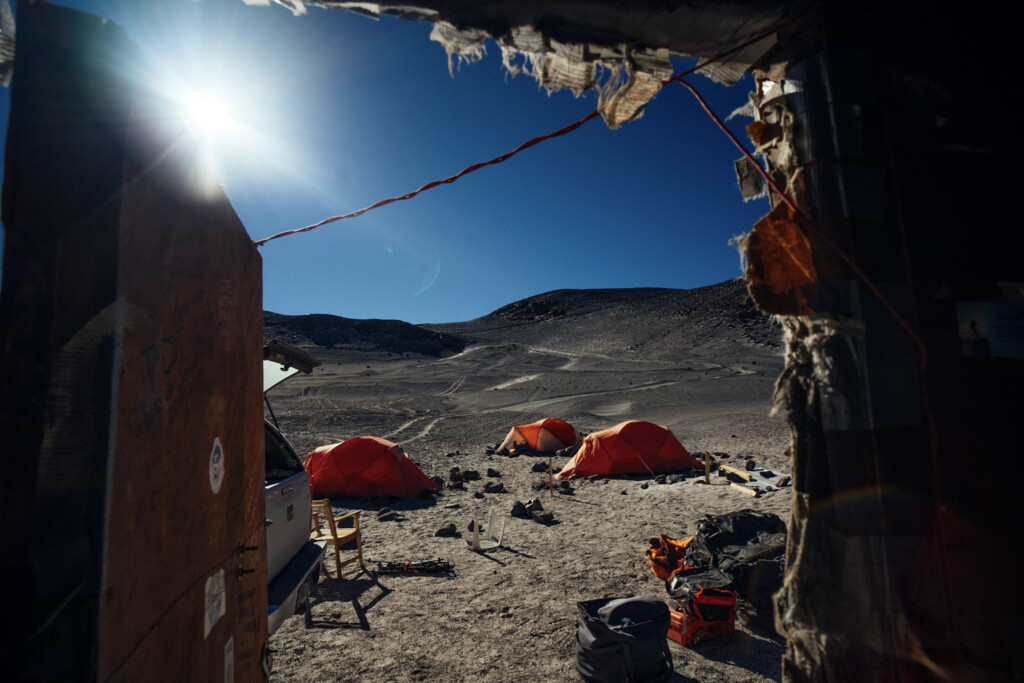
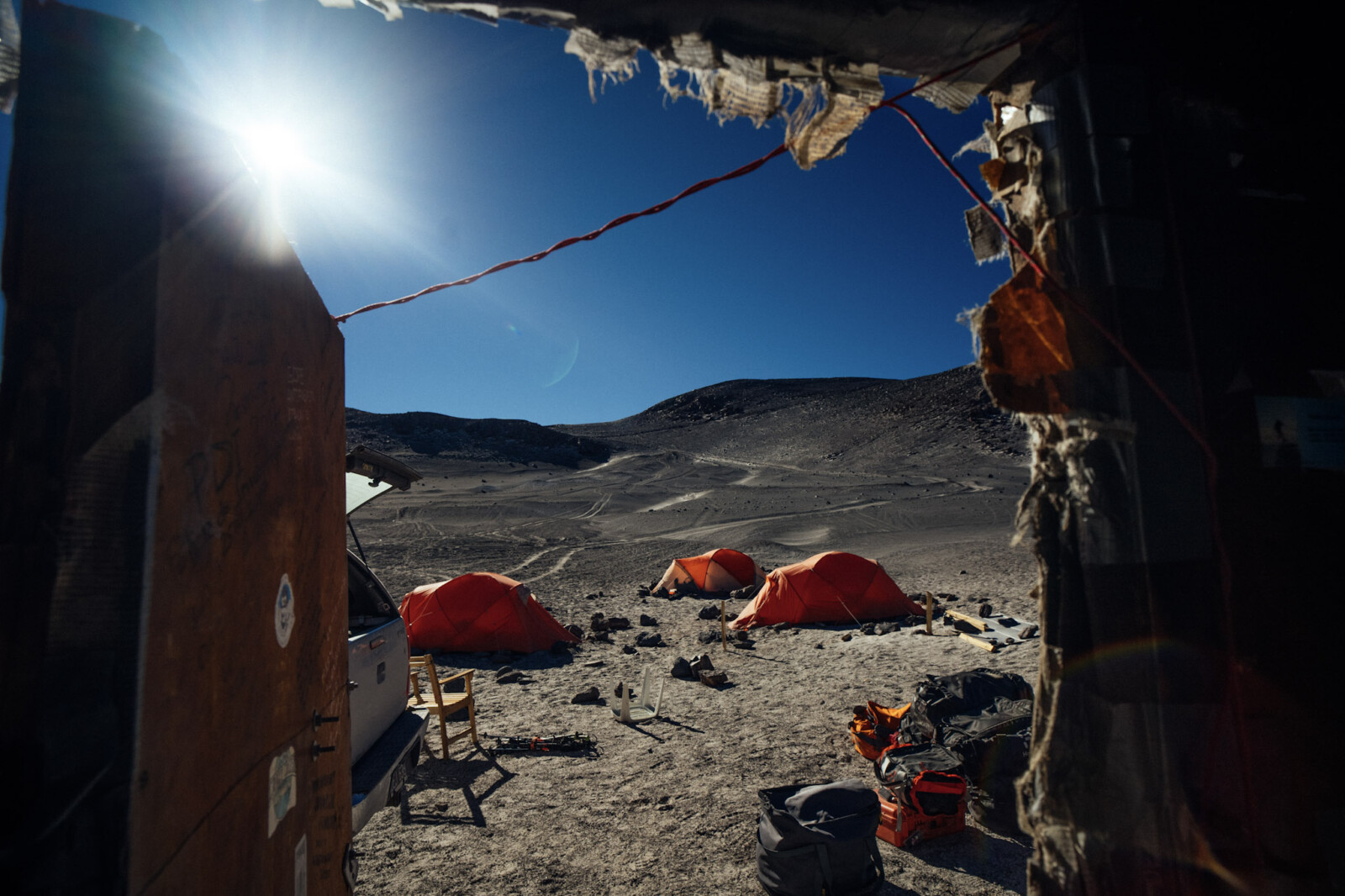
Ojos is a 4×4-supported expedition. There are no porters and no pack animals. That single fact shapes the whole trip: we can bring proper food, real camp infrastructure, and full medical and communications equipment to places that would otherwise take weeks of load-carrying.
It also means a descent is measured in hours, not days. That matters in terrain this remote, where the nearest hospital is in Copiapó.
Why Six Climbers and Two Guides
Every scheduled departure is capped at six climbers. With a full team we run two guides, a maximum 3:1 climber-to-guide ratio.
Small groups are not an upgrade at Benegas Brothers. They are the standard. At altitude, noticing that one person’s pace has quietly dropped is the difference between a managed problem and an emergency. You will never disappear into the group.
- Your guides know how you are adapting, day by day: pace, appetite, sleep and hydration.
- Camp moves faster, decisions happen faster when the weather changes, and there is less waiting.
- On the final scrambling section, guides can manage each climber individually.
The Guide Team
Every detail of this itinerary reflects decades of BBE guiding across the Andes, the Himalaya and Alaska: the pacing, the acclimatization flow, the order of the summits and the equipment standards. The company’s professional guide team delivers the program to that standard on every departure, with guides certified to IFMGA, AMGA or equivalent national standards.
Ojos del Salado expeditions can also be personally led by Willie or Damian Benegas on request, confirmed in writing in the trip terms. See Private & Custom Expeditions.
Safety and Communications
Safety on a remote mountain is a system, not a slogan. Every BBE Ojos del Salado expedition runs with:
- Satellite and radio communications within the team at all times
- A comprehensive group medical kit on every climbing day
- Daily checks on every climber’s pace, hydration and recovery
- Starlink in camp: a connection home and to current forecasts when conditions and power allow, not hotel Wi-Fi
In terrain this remote, communication is not a convenience. It is how a small problem stays small.
Turning around is sometimes the right call. When it is, your guide makes it early and clearly. It is a professional decision, not a failure.
More Than the Summit
Many climbers arrive for the altitude and leave talking about the desert.
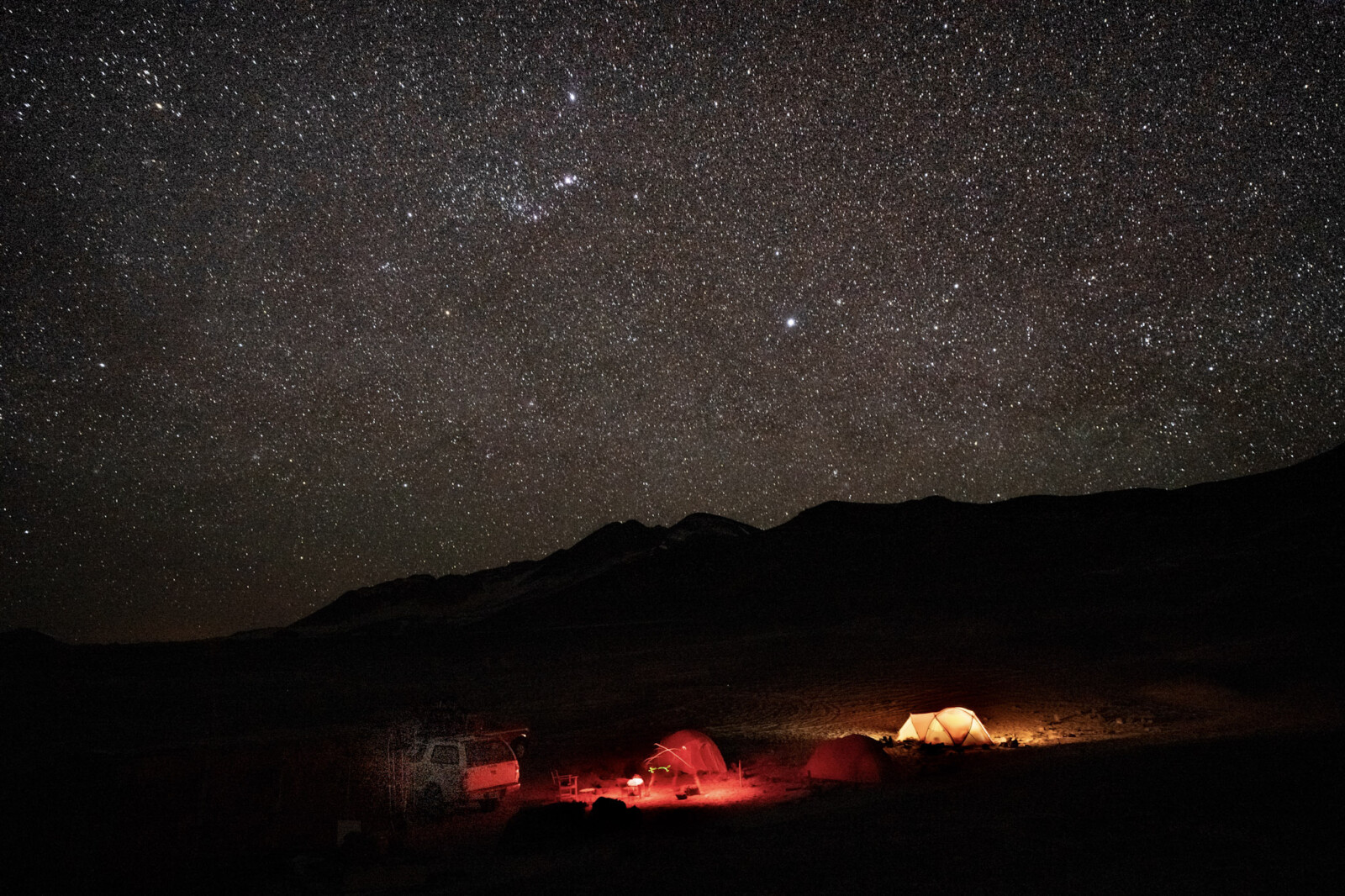
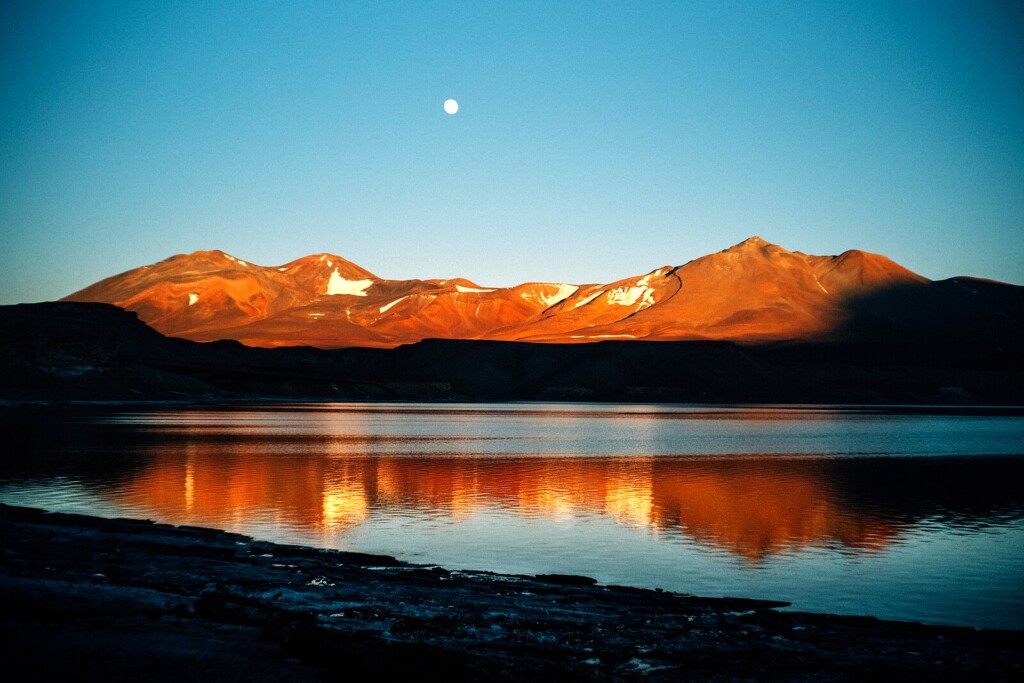
Flamingos on the salares. Ancient marine fossils at 10,000 feet. Natural hot springs at Laguna Verde with snow-capped volcanoes on the skyline. Archaeological sites beside the lagoons. Nights under the Atacama sky, in one of the emptiest landscapes on Earth.
Who This Climb Suits
This expedition suits climbers with strong fitness who want a serious high-altitude summit without sustained technical climbing.
We strongly recommend prior experience above about 18,000 ft / 5,500 m before Ojos. It is not an absolute requirement, and climbers occasionally arrive without it and do well. But altitude is the hardest thing to predict about yourself, and climbers who already know how their body responds start this trip with a real advantage.
If Ojos would be your first time near 19,700 feet, talk to us early. We would rather help you build toward it than have you find out the hard way. For the full picture, read Is This for Me?
Where Ojos Can Lead
Maybe Ojos is the climb you have been working toward. That is a complete objective on its own.
For climbers with that altitude experience, Ojos is also strong preparation for Aconcagua, Denali or Himalayan objectives. There is no fixed ladder. The useful question afterward is not what the next highest mountain is.
It is: what did Ojos teach you about how you climb at altitude?
Ready for Ojos del Salado?
Tell us what you have climbed, how high you have been, how you train and what you want this expedition to be for you. If Ojos is the right objective, we will say so. If something else should come first, we will say that too.