The Activity
Backcountry Ski Mentorship · Wasatch, Utah
You’ve done the courses. You still don’t fully trust yourself.
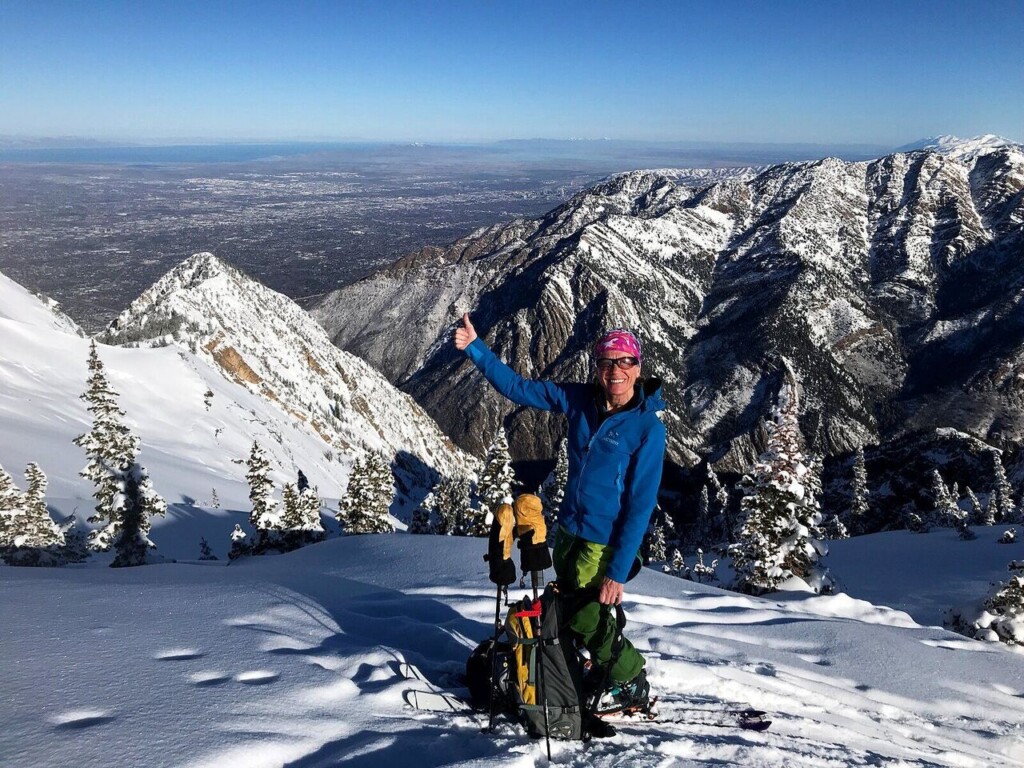
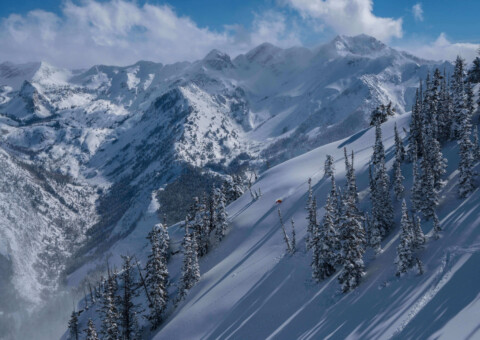
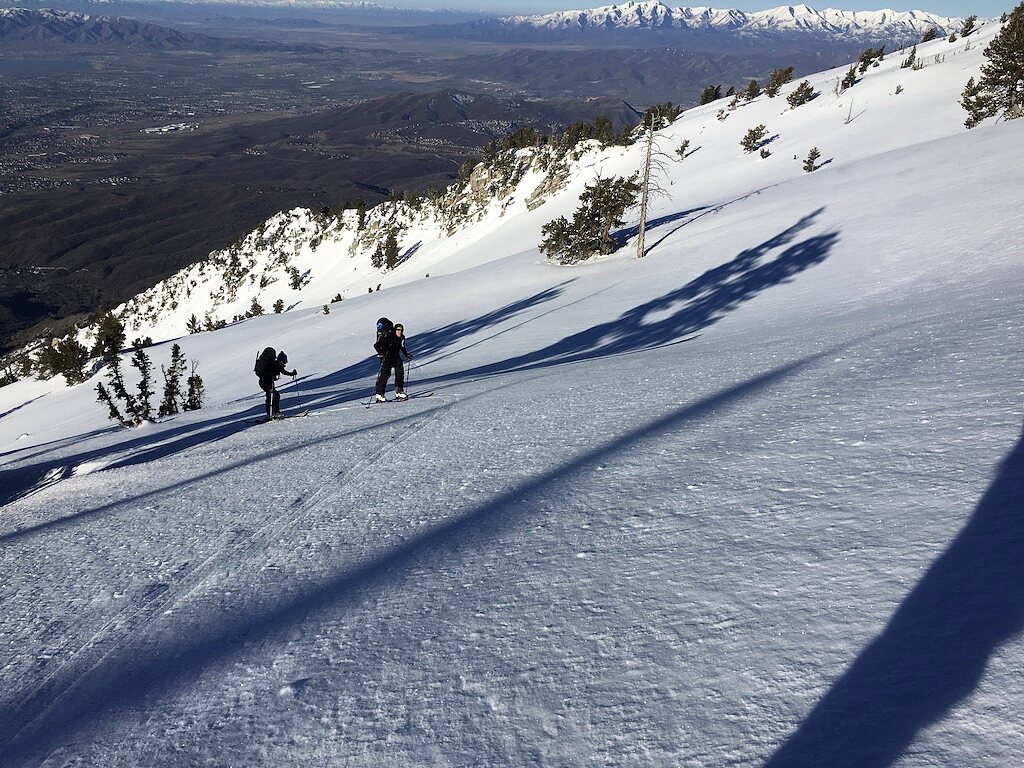
Base camp: Salt Lake City. Big and Little Cottonwood Canyons are about a 35–45 minute drive from Salt Lake City International Airport, so every field day starts close to home — no travel, just weekends in the mountains above the city.
That’s normal, and it isn’t a knowledge problem.
You can pass an avalanche course and still hesitate before committing to a plan — because a certificate tells you what you know, not whether your judgment holds up when it’s your call and the consequences are real.
Six days to close that gap.
Five of them are building: route planning, terrain assessment, snowpack, ski mountaineering technique, companion rescue, and real tours in real conditions.
And on the last day, you lead. You plan it, you set the track, you make the calls. Your instructor comes along and says nothing unless they need to.
Most people find that day harder — and more useful — than anything else they’ve done in the mountains.
Quick facts
| Where | Big and Little Cottonwood Canyons and the wider Wasatch |
| Length | 6 field days across three weekends, plus an online planning session |
| Team size | 2–4 clients. Guides rotate across the weekends. |
| Level | You already tour. This is about judgment, not equipment. |
| Time off work | None. Every day is a Saturday or Sunday. |
| Ends with | A tour you plan and lead |
| Rate | $2,000 per person |
The idea
Most mountain education is delivered in two-day blocks to people who then go home and try to apply it alone. It works, up to a point. What it can’t do is watch you make decisions over time and tell you where your thinking is weak.
That’s what a mentorship is for. Six days with guides who watch how you move, how you decide, and what you avoid — and coach the specific things holding you back rather than a general curriculum.
By the end, you’re not being taught. You’re being watched.
Why three weekends rather than six days straight
Two reasons, and the second matters more.
You don’t spend a week of vacation on it. Every day is a Saturday or Sunday.
And the gaps are where it works. You tour on your own between weekends, using what you just learned, and you arrive at the next one with real questions instead of remembered ones. A client who has spent three weeks quietly worrying about a decision they made in January learns more in February than one who never left the course.
Why the guides rotate
Guides rotate across the three weekends, so you’ll work with more than one WMG guide over the six days.
Your progress travels with you. After each field day, your guide writes notes on what they saw, what you should work on, and what the next guide needs to know. You get a copy, and the next guide reads them before you meet.
Rotation also helps. There’s rarely one correct way to read a slope or set a skin track, and a skier who learns from one person inherits their blind spots. The cost is a few minutes at the start of a weekend getting acquainted.
What you’ll work on
Route planning and tour preparation. Starting with an online evening session before the first weekend, so planning gets taught properly — with maps and time to think, rather than at a trailhead in the cold.
Terrain assessment and travel technique. Reading the ground, choosing lines, and moving a group through consequential terrain.
Snowpack assessment. Hand pits, compression tests, and the more important skill underneath them — knowing how much weight any single test deserves in a decision.
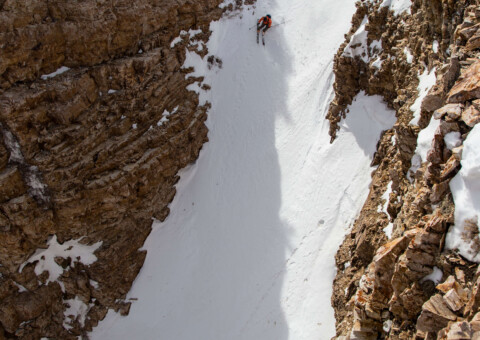
Ski mountaineering technique. Crampons, ice axe, steep skiing, and the rope skills that open up terrain a pure touring skier can’t reach.
Avalanche companion rescue. Scenario-based, repeated, until it’s fast. Speed is the whole thing.
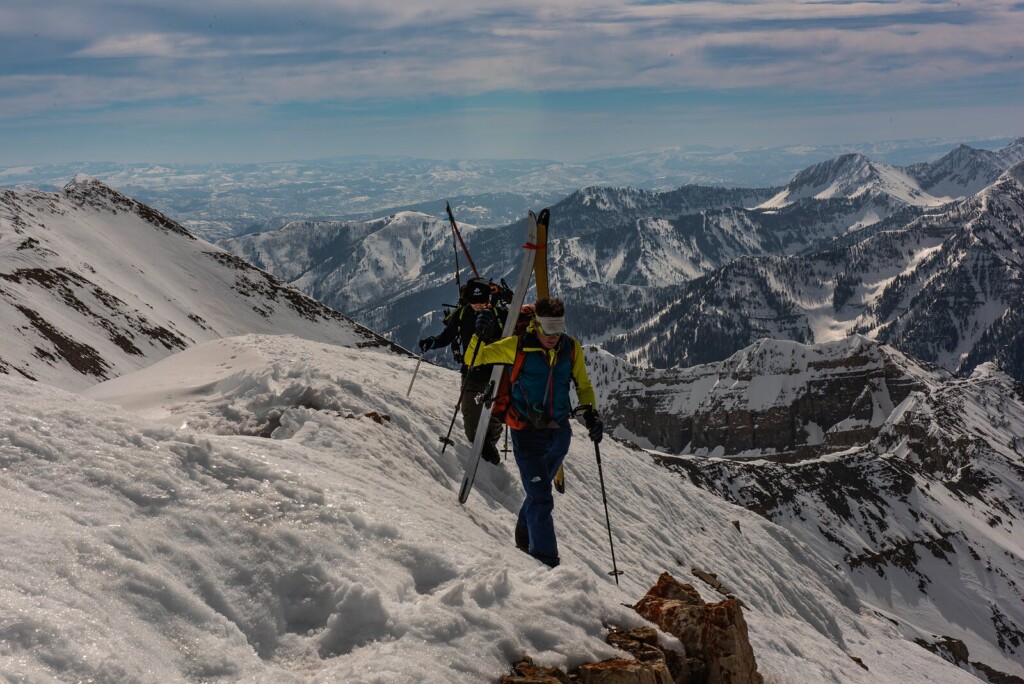
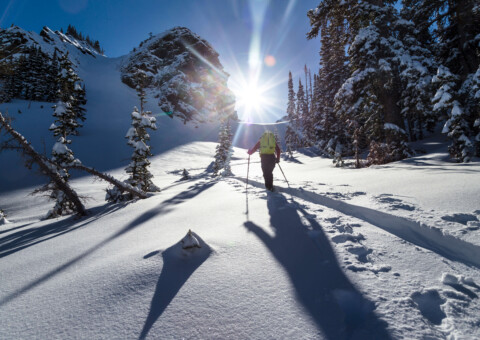
Full-day tours. Real objectives in real conditions, where all of the above gets used rather than practised.
The capstone. A tour you lead, with your instructor watching.
The capstone day
You plan it. You brief the group. You set the track, choose the terrain, make the calls, and manage the descent.
Your instructor comes along as a member of the party rather than as a guide. They’ll step in if something needs stopping — and otherwise they’ll let you find out what your own decision-making feels like when nobody is confirming it for you.
Then you’ll debrief it properly: what you saw, what you missed, what you’d do differently.
That conversation is what most clients say they remember a year later.
Team size
Two to four clients. Coaching this specific doesn’t scale, and the capstone only works if your guide can watch one person’s decisions closely.
Who leads it
Wasatch Mountain Guides (WMG) guides.
Where this leads
The mentorship is where clients stop being guided and start being partners.
Some go on to Wasatch Ski Mountaineering — Classic Lines, where the terrain gets steeper and the consequences sharper. Some go to Mount Baker for the glacier. Some to Valdez or the Alaska Range.
And some simply go skiing with their friends, more capably and more safely than before, which is the actual point.
Operated and guided by Wasatch Mountain Guides (WMG). BBE is the referral and sales partner; reservations, payments and required forms are handled directly by WMG.
Questions before you book?
We answer every inquiry personally.