The Trek
Everest Base Camp Trek · Khumbu Valley, Nepal · 17 Days · Helicopter In and Out · Maximum Eight Trekkers
Most people who want to walk to Everest Base Camp are not short on motivation. They are short on time. This trek is built around that: seventeen days, almost all of them spent in the mountains rather than getting to them.
You fly by helicopter into Lukla, walk a quieter line through the Khumbu with two full acclimatization days, spend two nights at Gorak Shep, walk to Base Camp, and fly out by helicopter from Pheriche.
No climbing experience is required. Fitness, patience and an honest approach to altitude are.
Seventeen Days, and Not One of Them Wasted
The standard trek costs you days you never planned to spend. A pre-dawn drive to Ramechhap, because Lukla flights move out of Kathmandu in peak season. A day, sometimes three, sitting in a lodge waiting for weather so a small plane can land on a short uphill runway. Then three days walking back down a valley you have already walked up, to catch the same flight in reverse.
We built this trek to remove all of it.
The standard trek
- A pre-dawn drive to Ramechhap for the Lukla flight
- Days lost waiting for weather at Lukla
- Three days walking back down the same valley
- Namche to Tengboche on the main trail in one day
Benegas Brothers Everest Base Camp Trek
- Helicopter direct from Kathmandu to Lukla
- The quieter line through Khumjung and Phortse
- Two acclimatization days, at Namche and Pheriche
- Helicopter out from Pheriche
- Eight trekkers maximum
You fly in by helicopter, direct from Kathmandu to Lukla. No Ramechhap transfer, no 4 a.m. bus, and far less exposure to the delays that eat the front end of a Khumbu itinerary.
You fly out by helicopter from Pheriche. One long descent, a recovery day, and then the Khumbu from above on the way back to Kathmandu, instead of three more days on foot.
Helicopters carry a 15 kg / 33 lb baggage limit per trekker. Flights & Getting to Kathmandu and the Packing List explain how to pack for it.
We Run Our Own Expedition on This Mountain
Some companies that sell the Everest Base Camp Trek are booking agents. They take your deposit in one country and hand you to a local operator in another, and nobody from the company you paid ever meets you.
We are an operator. Benegas Brothers Expeditions runs its own Everest expedition on the same mountain your trek walks toward. Same logistics. Same relationships in the same valley, built over many seasons.
Your guides are certified, experienced at altitude, and work this valley season after season. They are with the team from your arrival at Kathmandu airport to your departure transfer, not a crew assembled for the week. You will know who is leading your trek before you leave home.
No One Sleeps at Base Camp on a Trek Now
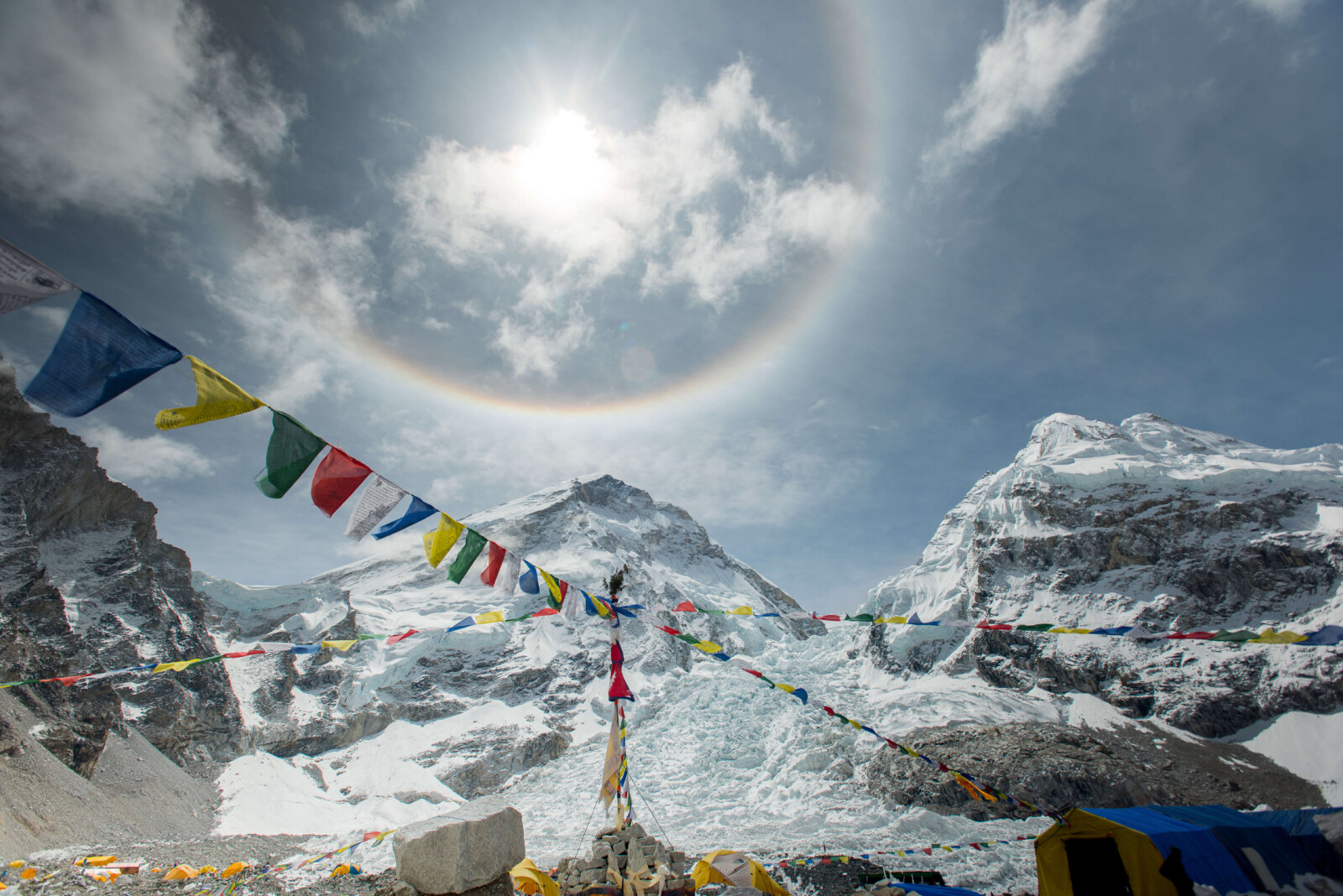
Since April 2026, Nepal restricts overnight stays at Everest Base Camp to climbers holding permits and their registered expedition staff. Trekkers walk in, spend time there, and return to Gorak Shep to sleep.
We say this plainly because it matters when you compare treks. If a trek you are looking at still advertises a night at Base Camp, ask when that page was last updated, and ask how they plan to deliver it.
What it means for you in practice:
That is how the trek has always worked for the great majority of the people who do it. Day by Day shows the full schedule.
A Visit to Our Everest Camp
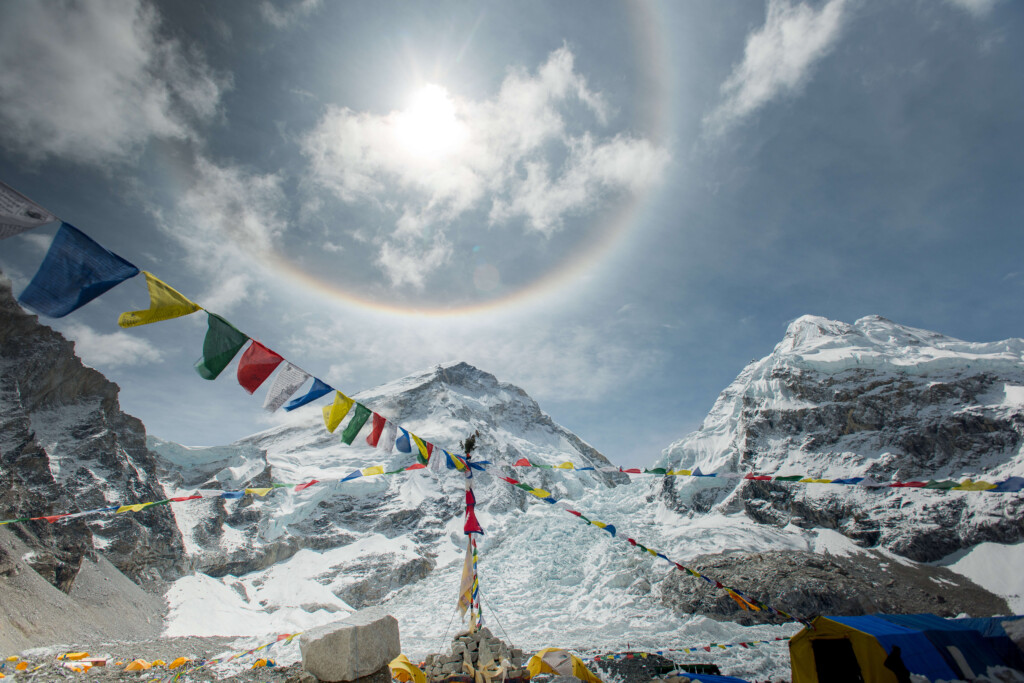
When BBE is running an Everest expedition at the same time as your trek, your Base Camp day includes a visit to our camp, so you spend part of the day inside it rather than looking at it from the moraine.
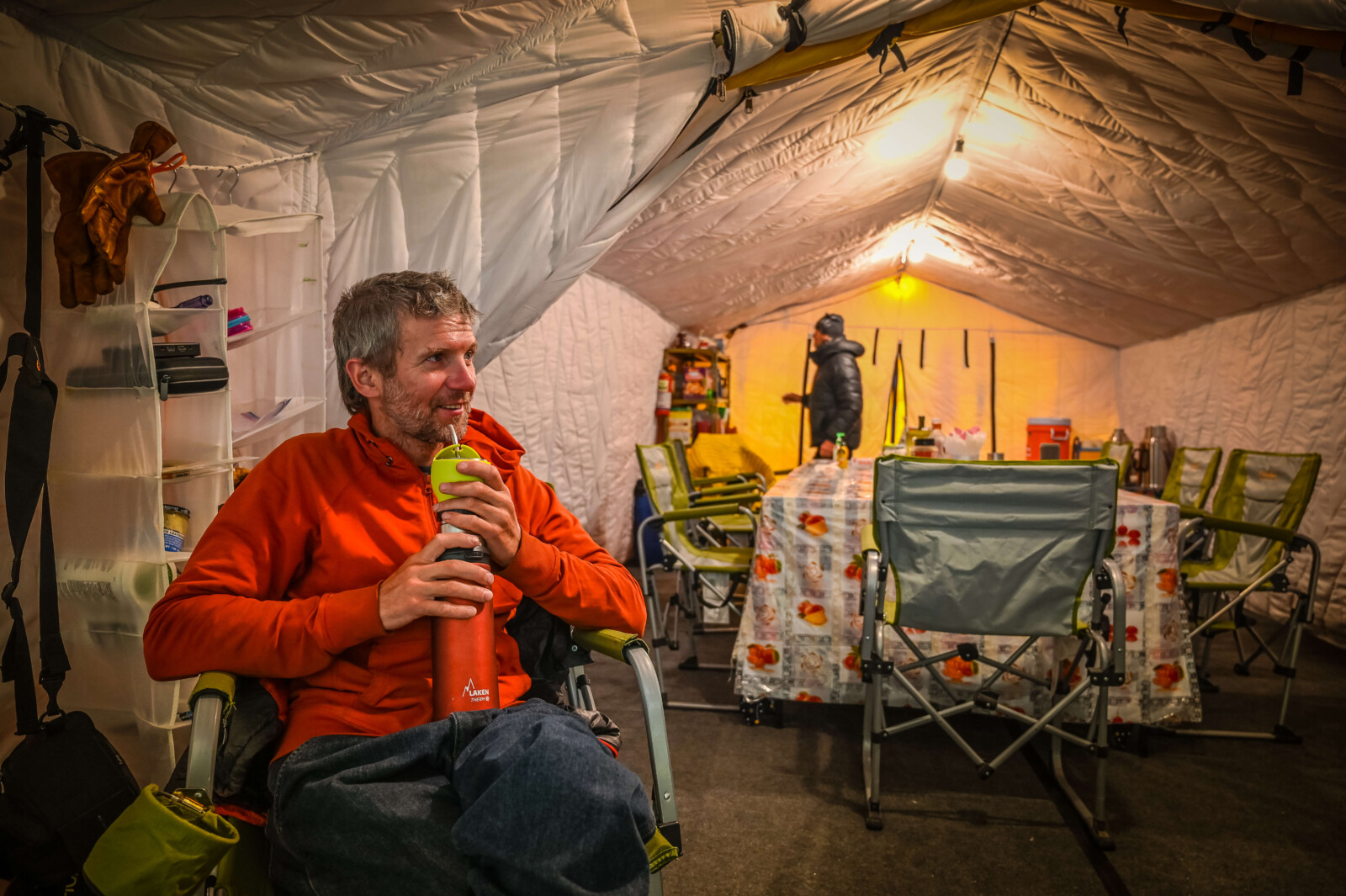
It means a cup of tea in the dining tent, a meal from our kitchen crew, and time with whoever from our Everest team is in camp that day: what the icefall is doing, how the route is forming, what the next rotation looks like.
If we don’t have an expedition on the mountain that season, we walk around Base Camp and usually run into old friends.
As with every day on the trek, weather and conditions on the day come first.
On fall departures there is no BBE camp on the glacier. Base Camp is the standard day visit, and autumn gives you clear post-monsoon air and quieter trails in return.
The Quieter Line Through the Khumbu
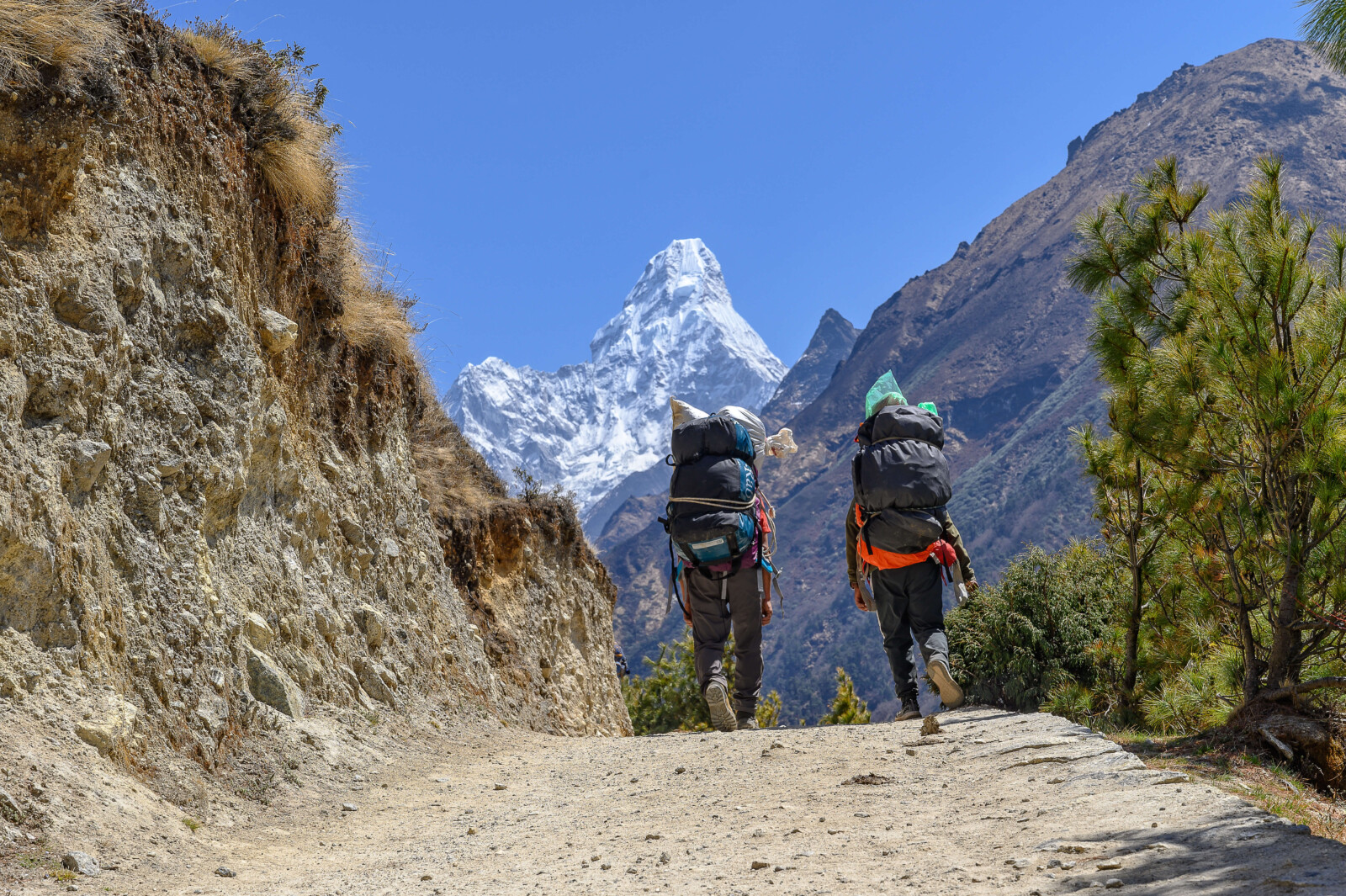
From Lukla (9,301 ft / 2,835 m) the route follows the Dudh Koshi through Phakding into Sagarmatha National Park, then up the long hill to Namche Bazaar (11,286 ft / 3,440 m), where a full day is set aside to let your body catch up.
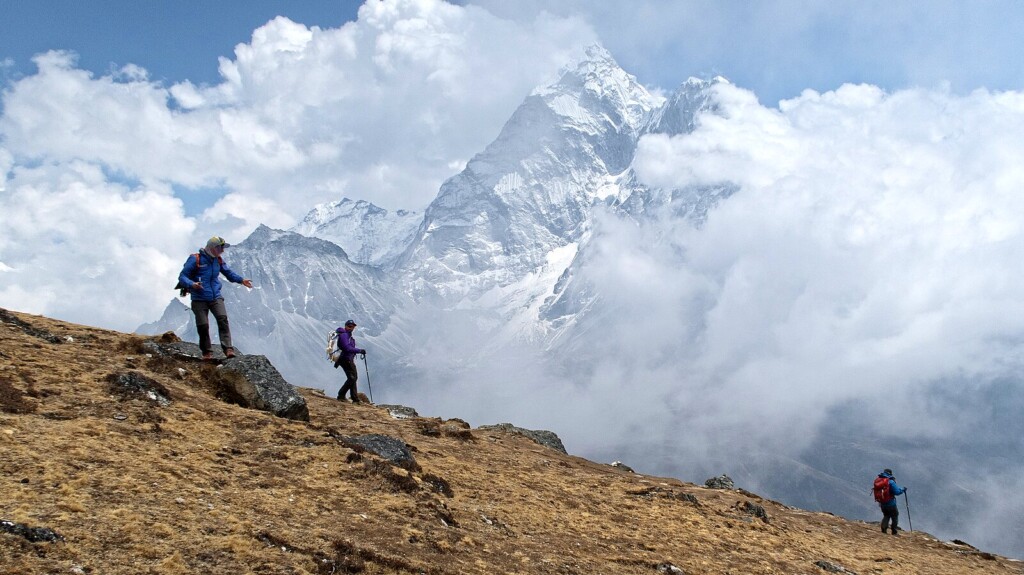
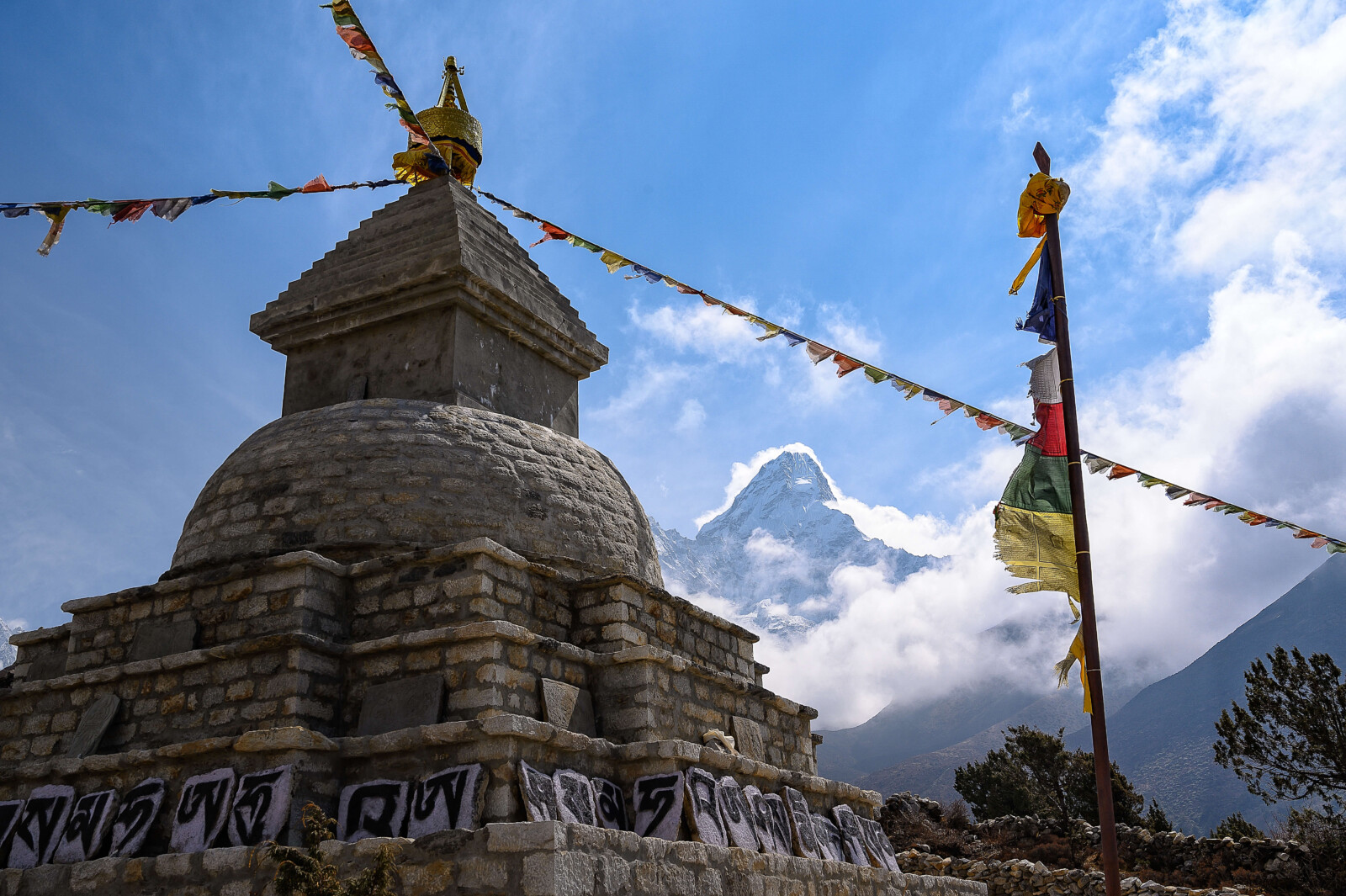
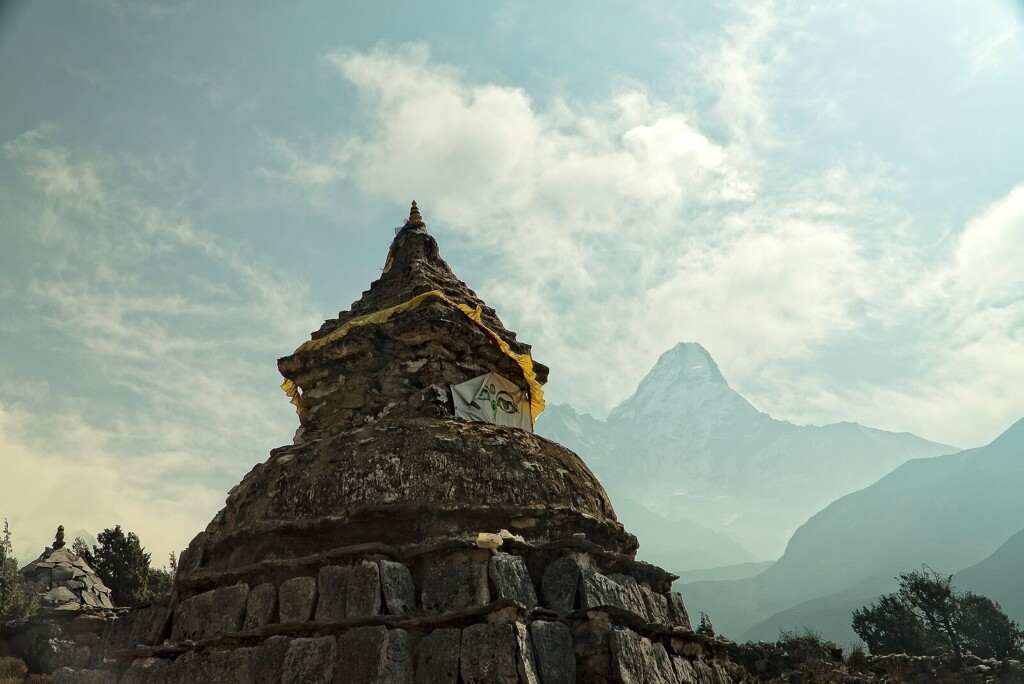
Then it leaves the main trail. The standard route runs from Namche to Tengboche in a single day. This one climbs instead to the twin villages of Khumjung and Khunde, home to the school and hospital Edmund Hillary built, and traverses a quiet ridge to Phortse, a mountaineering village far less busy than the main trail. It rejoins the classic line at Tengboche, where the monastery sits on a saddle facing Ama Dablam and Everest.
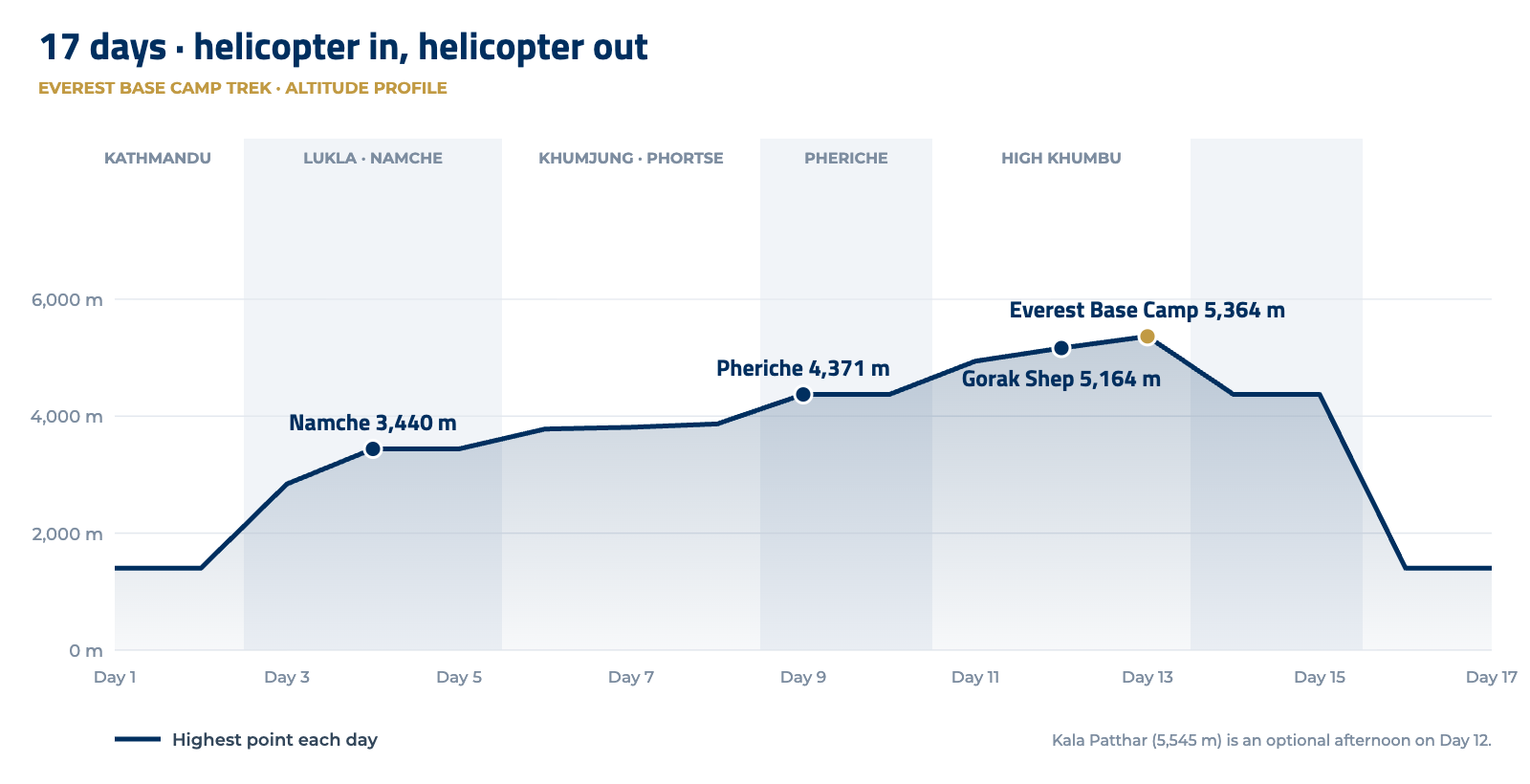
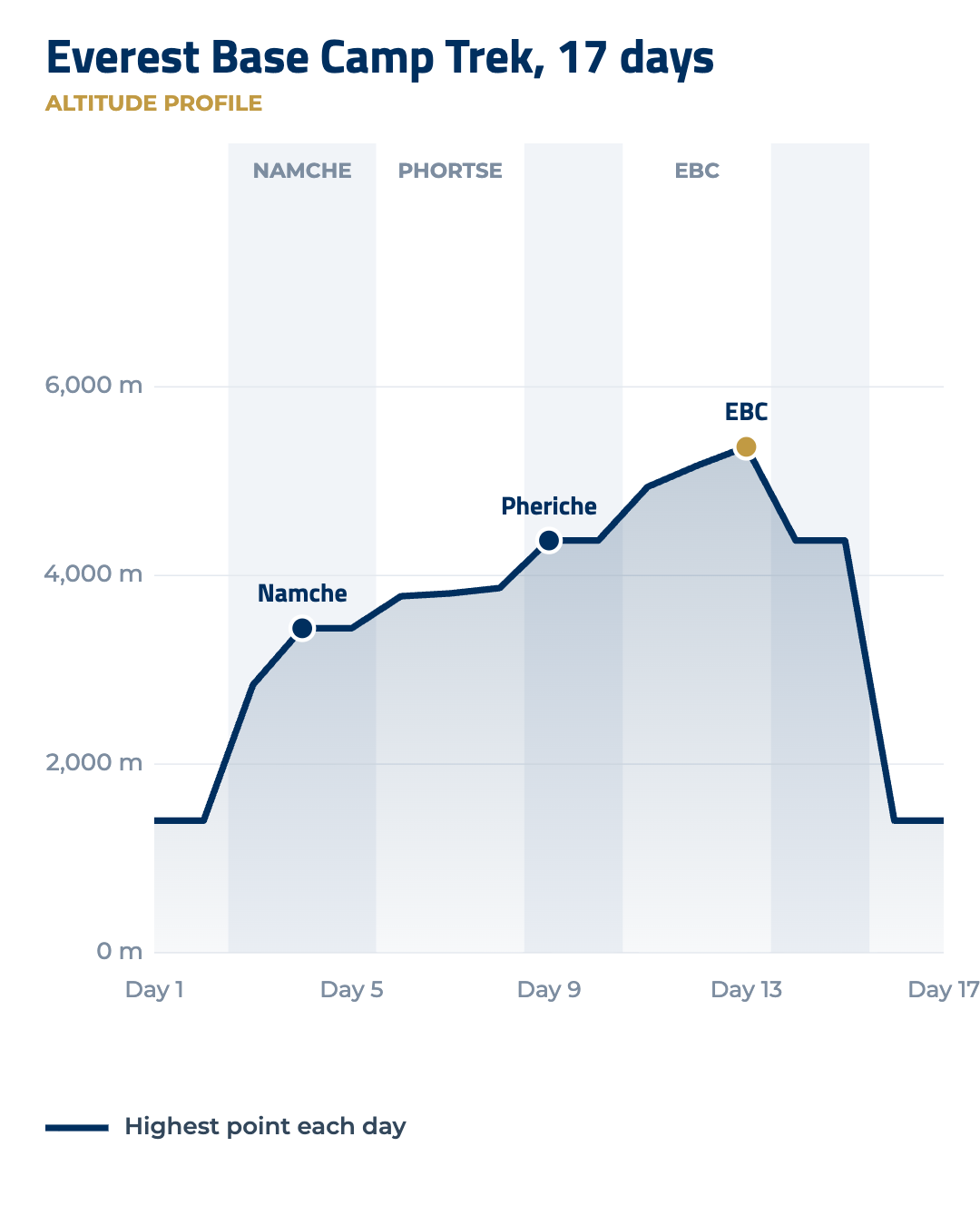
From Tengboche the trail drops through the rhododendron forest at Deboche and climbs past Pangboche to Pheriche (14,340 ft / 4,371 m): the second acclimatization day, and the site of the Himalayan Rescue Association clinic.
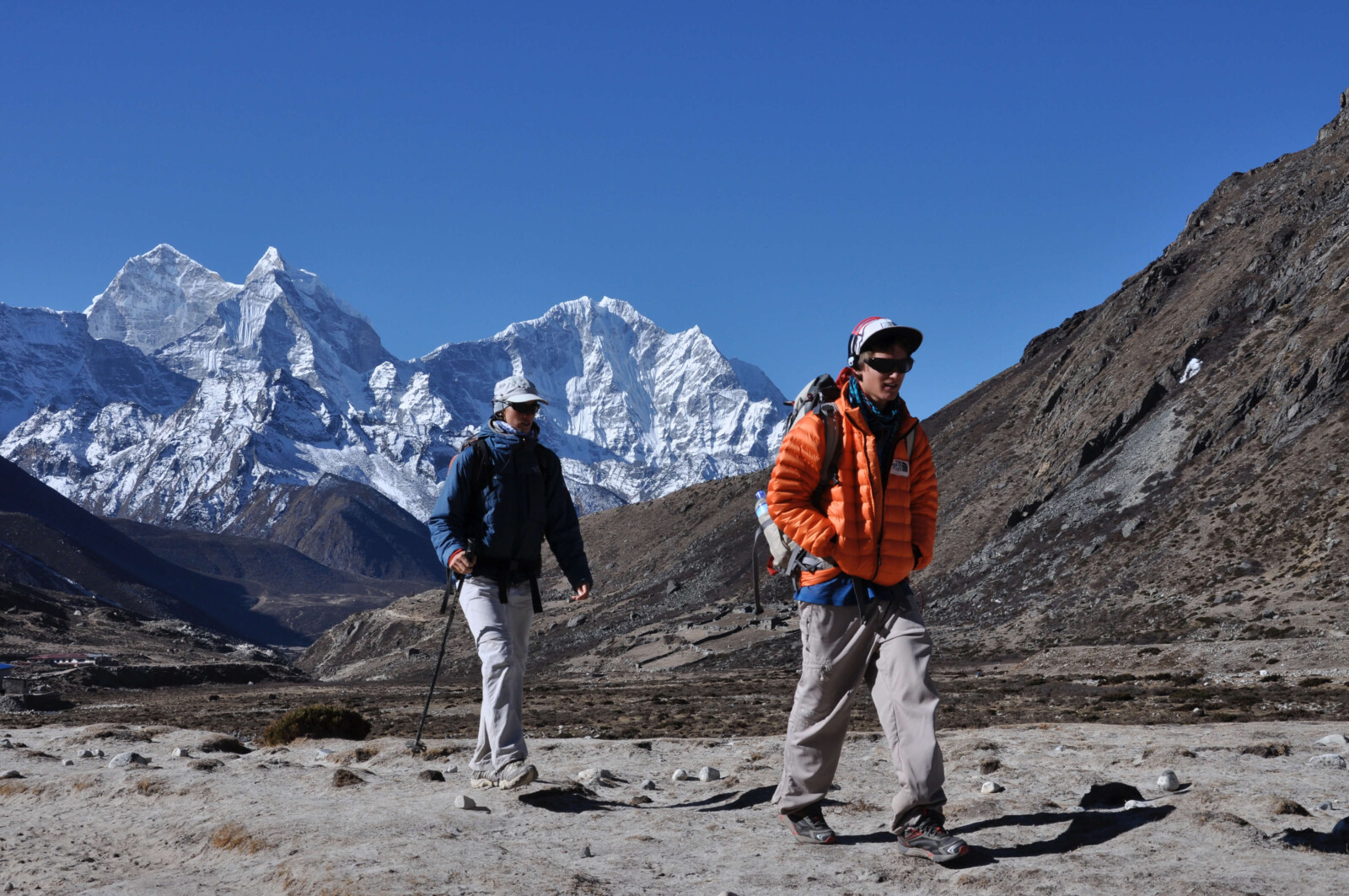
Then it is high country. Lobuche (16,207 ft / 4,940 m), past the memorial stones at Thukla Pass. Gorak Shep, the last settlement before the glacier, with an optional afternoon climb of Kala Patthar for the view of Everest’s southwest face. The next morning you walk the moraine of the Khumbu Glacier to Base Camp, and back to Gorak Shep for the night.
Acclimatization, With Room to Move
Altitude is the single variable that decides whether people finish this trek well, tired, or not at all. The schedule is built around it:
- Two full acclimatization days, at Namche and at Pheriche
- A slower line through Khumjung and Phortse instead of a straight run to Tengboche
- A deliberately unhurried pace above 13,100 ft / 4,000 m
- A recovery and weather day at Pheriche before the helicopter out
That last day is not filler. Helicopters in the Khumbu fly on weather, and a schedule with no slack turns one cloudy morning into a missed international flight. The day is there so a bad sky costs you nothing, and so the long descent from Gorak Shep is followed by rest rather than a rush to the landing zone.
Maximum Eight Trekkers, Two Guides
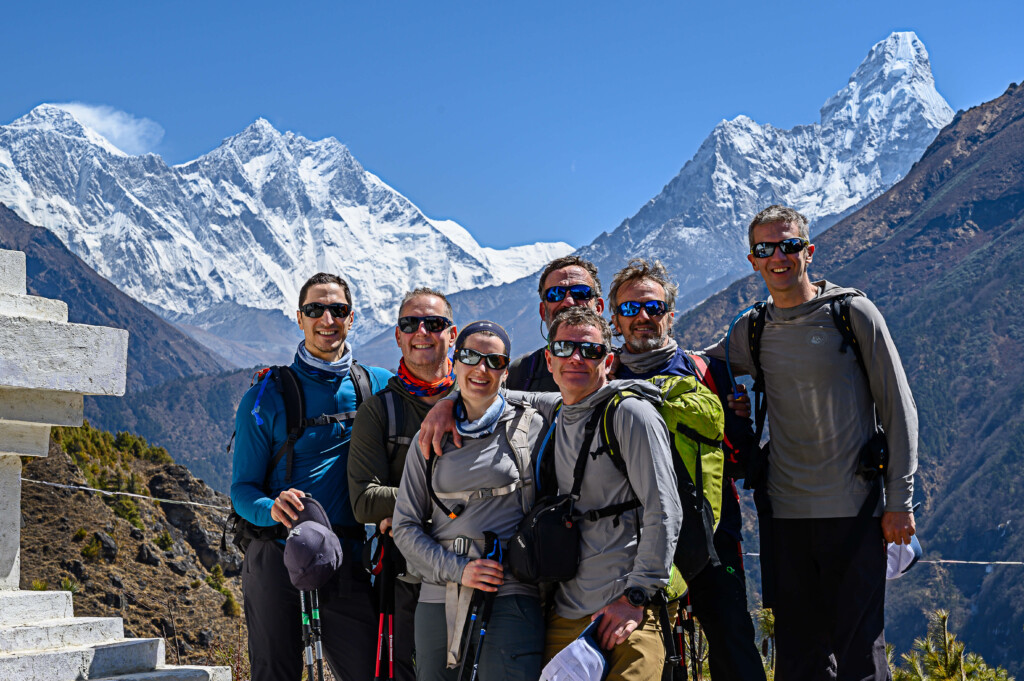
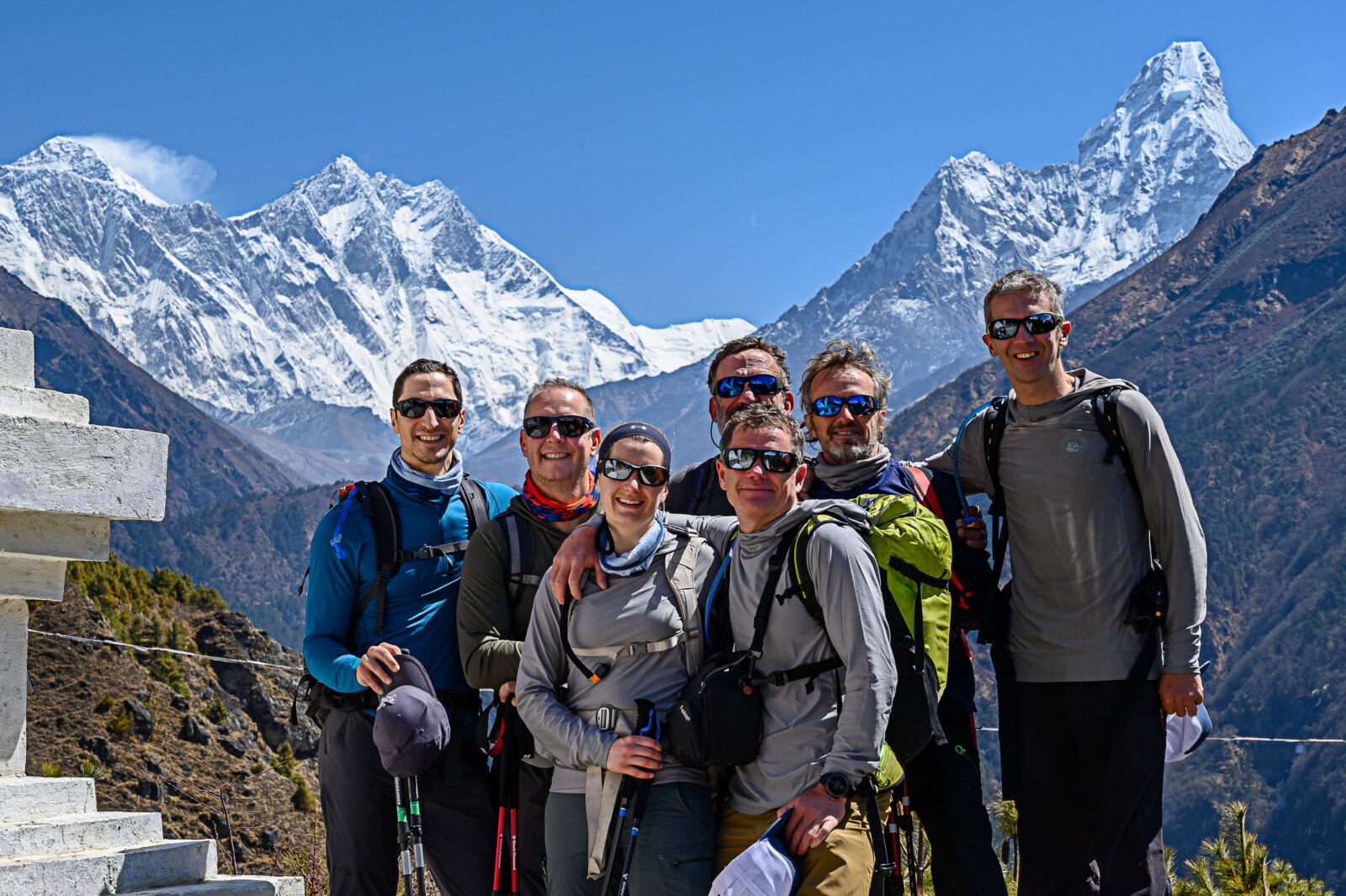
Every scheduled departure is capped at eight trekkers, with a 4:1 client-to-guide ratio: two certified guides for a full team of eight. Porters and yaks carry the duffels and lodge staff run the teahouses. We do not count them as guides.
The cap is there for a reason. On this route the guide who notices how you slept, how you are eating, and how your pace changed between Pheriche and Lobuche is the one who catches an altitude problem early instead of late. You will never disappear into the group.
Private treks can be personally led by Willie or Damian Benegas on request, confirmed in writing in the trip terms. See Private & Custom Treks.
If you are comparing operators, compare team size, guide certification and the acclimatization schedule. Those answers tell you more than any price list.
Who This Trek Suits
No climbing experience is required. There is no rope, ice axe or crampon work anywhere on the route. Fitness is required: you need to hike several hours a day, on uneven ground, on consecutive days, at altitude.
If you can put in a full day in the hills with a light pack and get up and do it again the next morning, you have the base to build on. Plan on at least three to four months of training.
Is This for Me? covers training, altitude and an honest readiness check in detail.
Where the Khumbu Can Lead
For many people, walking to Base Camp is a complete objective on its own. For others it is the first look at what high mountains ask of them.
There is no fixed ladder.
Ready to Walk Into the Khumbu?
Tell us where your fitness is, what you have done before, and what you want this trek to be. Every trekker is personally reviewed before booking. If this is the right trip, and the right year, we will say so. If something else should come first, we will say that too.
We don’t simply guide expeditions. We help people build a lifetime in the mountains.
Ask a Guide
See dates & prices · climbing@benegasbrothers.com · benegasbrothers.com