US Adventures USA Utah

Wasatch Alpine Traverses

Link Wasatch summits in one big day—scrambling or running

6–10 hours Group: 1–2 per guide From $425 per person · full day

The Activity

Wasatch Alpine Traverses · Wasatch, Utah

The Wasatch you’ve only seen under snow.

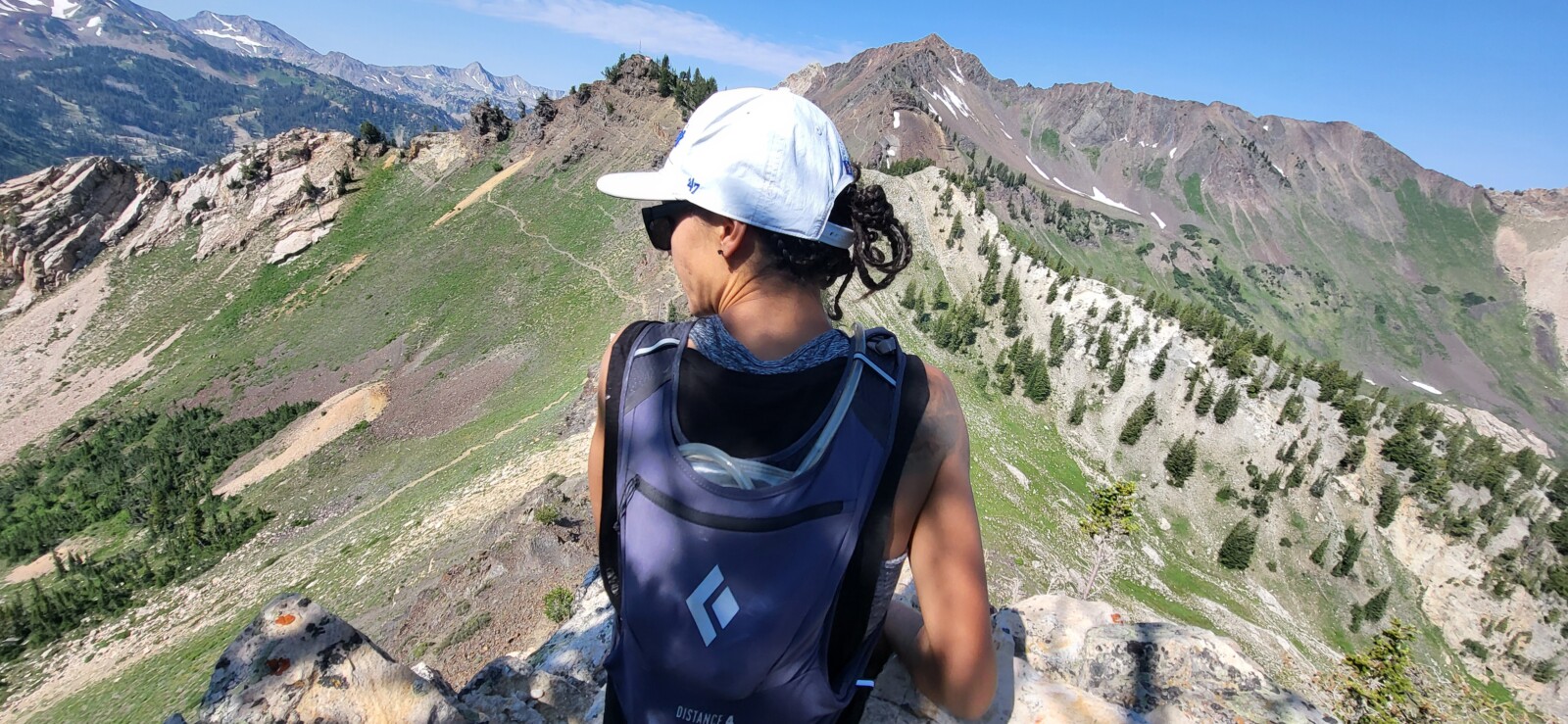
Everyone knows this range for the skiing. Far fewer people have been along the top of it in August—high ridgelines linking summit to summit, wildflower basins below, and views from the Great Salt Lake to the Uintas.

Duration6–10 hours
Group1–2 per guide
PriceFrom $425 per person · full day
SeasonLate June–October
WhereWasatch, Utah

What you pay

Full day (6–10 hours) · per person and total for your group

Group Per person Total
1 person $695 $695
2 people $425 $850

Private guide, maximum 2 per guide. Inclusions and cancellation terms are in the Rates & Booking tab.

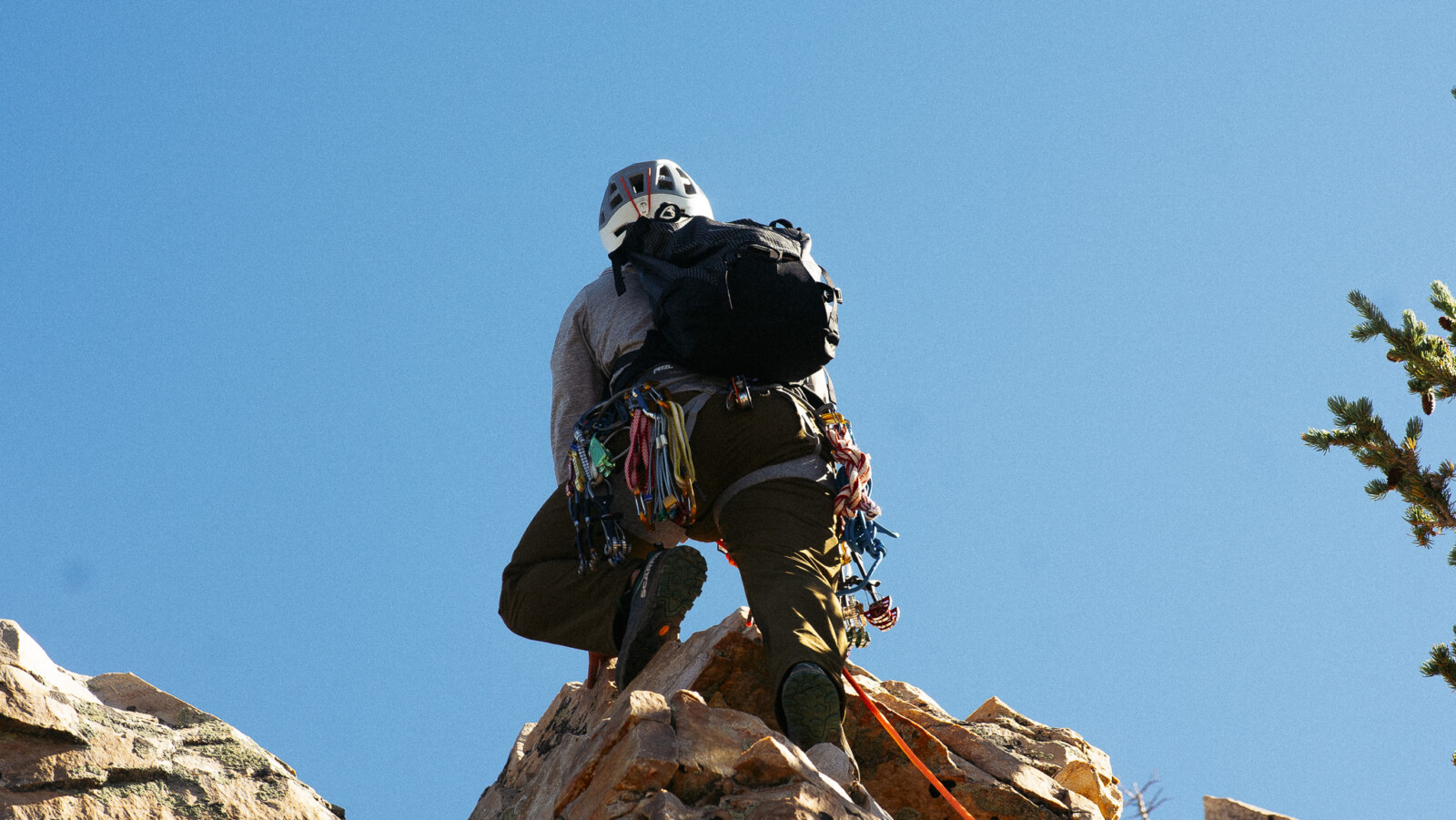
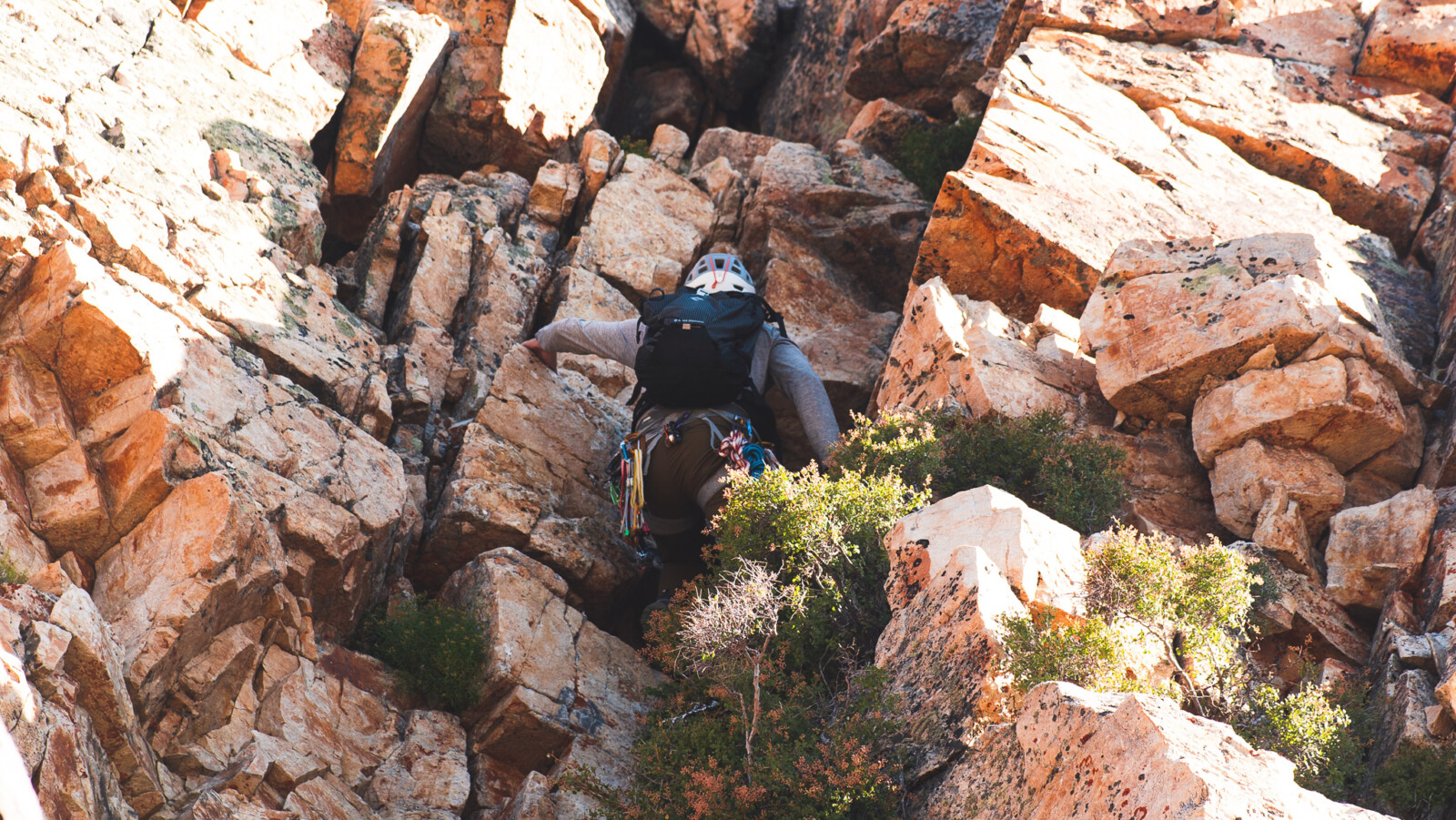
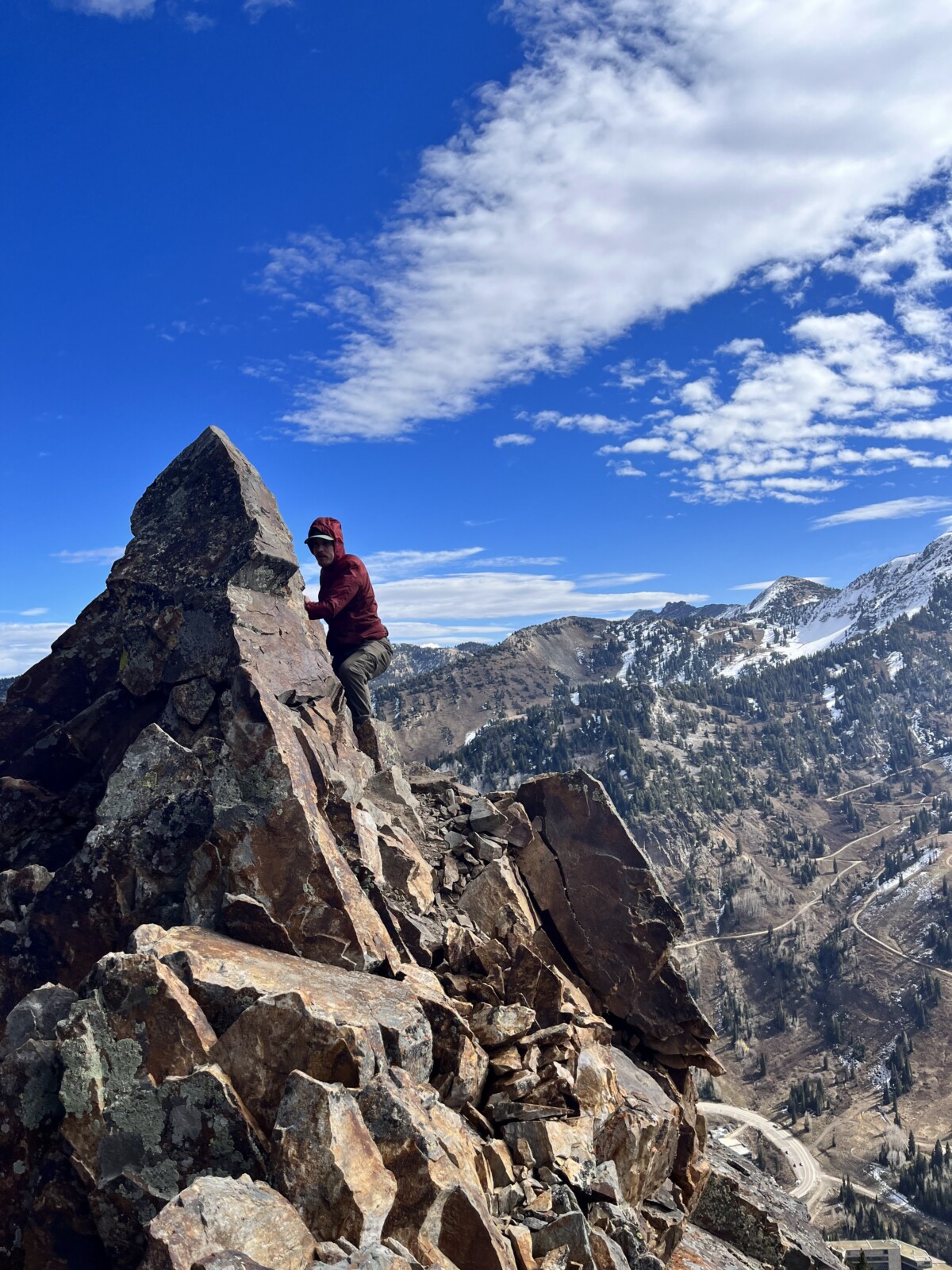
An alpine traverse is a single big day spent on the crest rather than going up and down one peak. You link summits—Superior to Monte Cristo, or the rugged line over Dromedary and the Twin Peaks—with hands-on scrambling, real exposure, and a rope where the ground calls for it.

Or you do it running. Same ridgelines, moving light and fast.
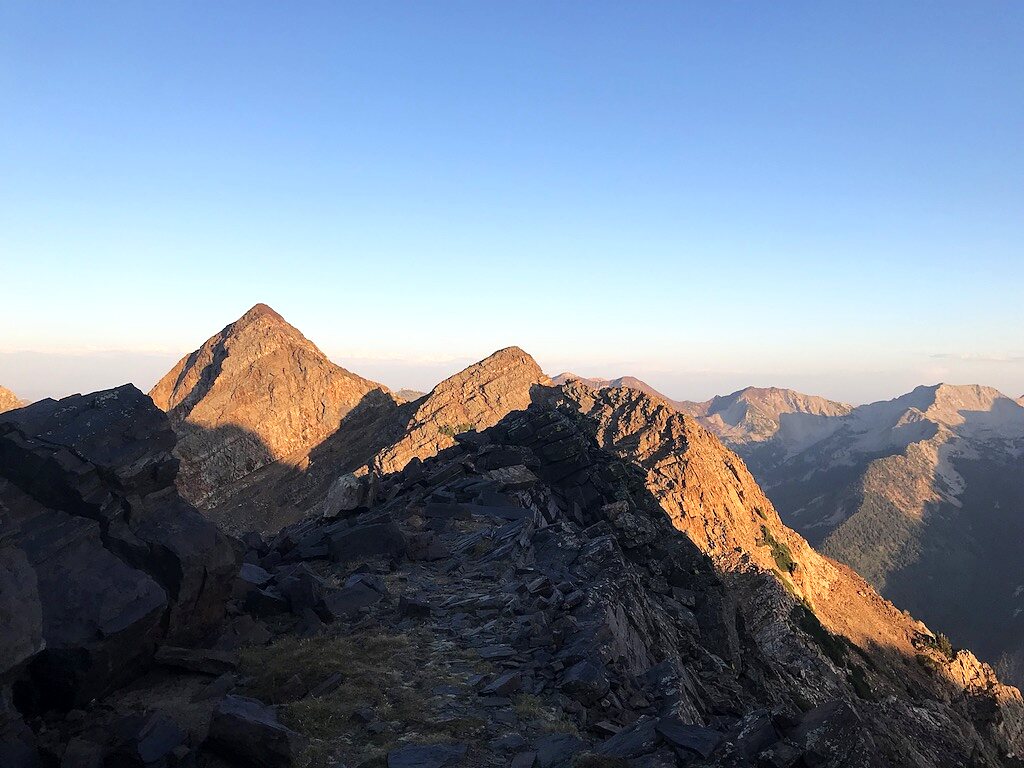
Sunrise on the Wasatch peaks from a ridge traverse, Utah

Two ways to travel a ridgeline

Alpine Scramble Traverse

For strong hikers and aspiring alpinists ready to link summits in one big day.

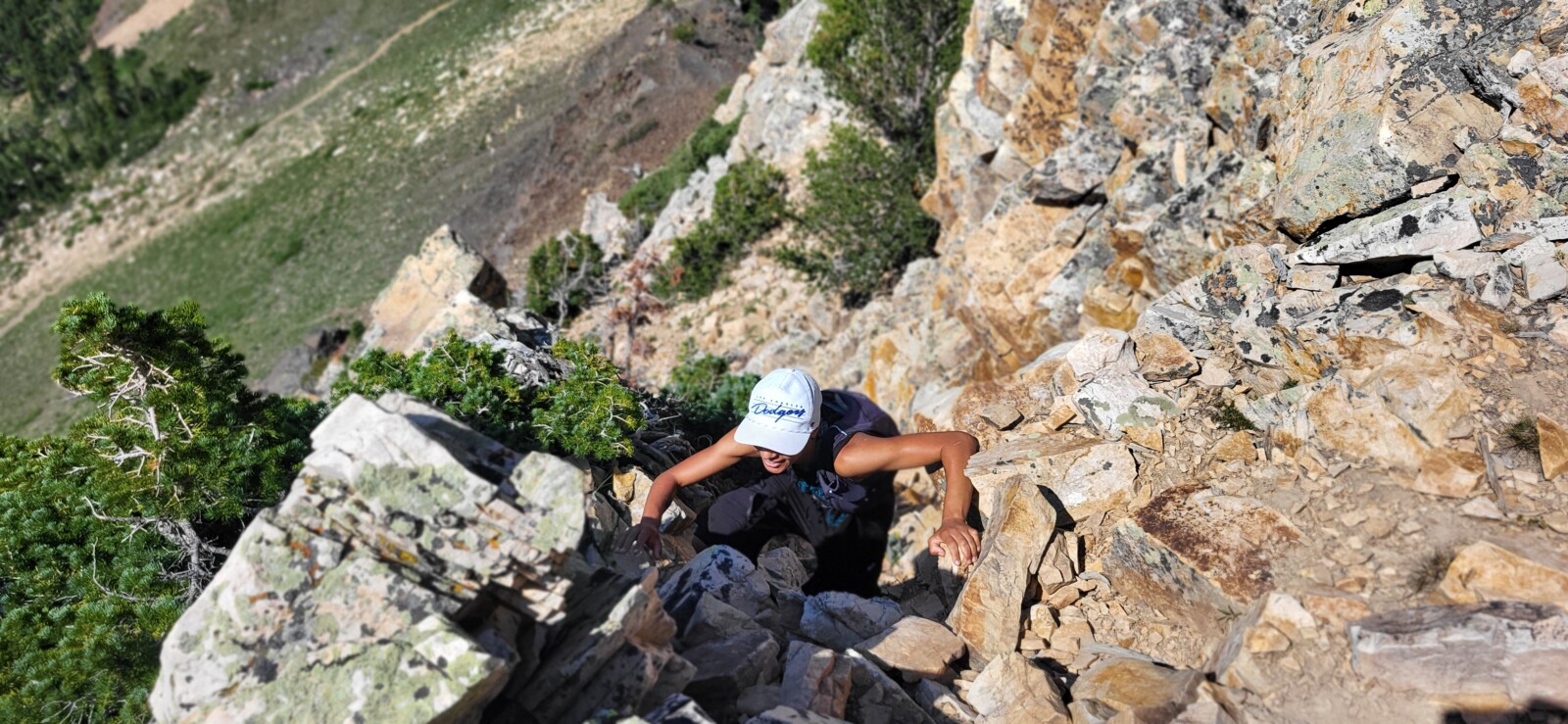
Expect hands-on scrambling at 3rd and 4th class, exposed ridgelines, and rope protection where the terrain calls for it. Classic lines include Mount Superior to Monte Cristo and the link over Dromedary and the Twin Peaks.

This is the format for anyone who has hiked for years and wants to find out what’s beyond scrambling—or for climbers who want a mountain day rather than a crag day.

Trail Running Traverse

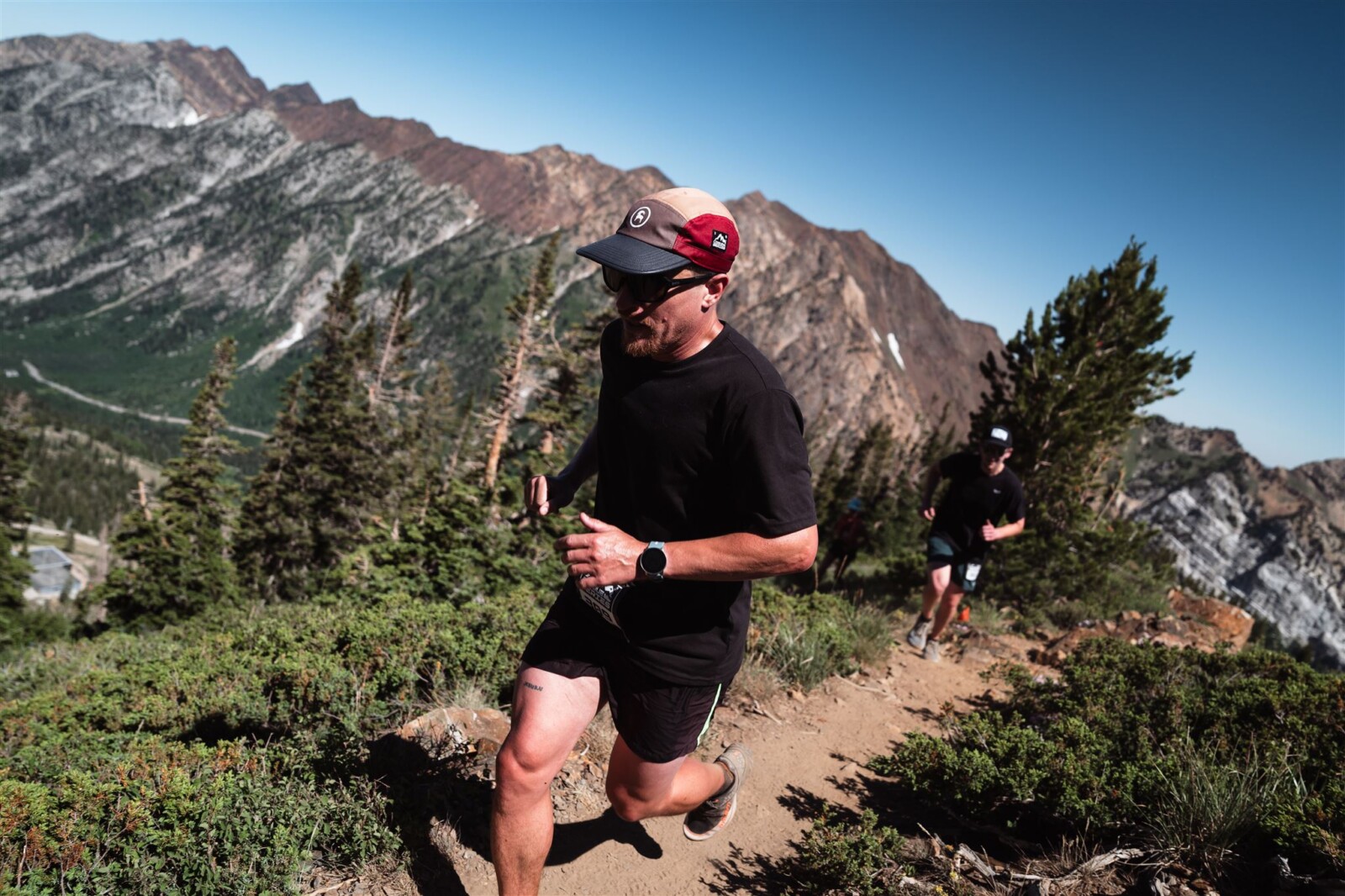
For runners who want to push endurance in high alpine terrain: singletrack, rugged ridgelines, and real vertical—sections of the Wasatch Crest, Superior Ridge, or a custom point-to-point linkup, built around your pace and goals.

Trail running traverses are led by Erik Fullmer, co-owner of Wasatch Mountain Guides and an experienced mountain runner. Routes are designed around running—pacing, footing, and hydration—rather than adapted from a hiking line.

Private, and built around you

Your guide chooses the specific traverse based on your fitness, experience, and the conditions. If you have a line in mind, tell us and we’ll say honestly whether it fits.

Small teams

One or two clients per guide. On scrambling ground, a guide needs to be able to reach any member of the party. Larger groups get additional guides.

The best time of year

September and early October—stable weather, cool temperatures, fewer afternoon storms, and light that makes the whole range look different.

Our signature two-day: The Two Canyons Traverse

The day traverses take you along the Wasatch’s classic lines. The Two Canyons Traverse takes the idea as far as it goes: two days on the ridge that divides Big and Little Cottonwood, climbing Mount Superior by its Southeast or East Ridge, following the crest over summit after summit, camping below the Twin Peaks, and summiting the Twins at sunrise.

Fully self-supported, one climber per guide, June to September. A day traverse with us is the natural preparation. See The Two Canyons Traverse.

Where this leads

Scrambling is the bridge between hiking and climbing. Clients who enjoy it often go on to Wasatch Alpine Rock Climbing for more technical ridges, Full-Day Private Rock Climbing for the rock skills, or Mount Baker for glaciated ground.

Operated and guided by Wasatch Mountain Guides (WMG). BBE is the referral and sales partner; reservations, payments and required forms are handled directly by WMG.

Questions before you book?

We answer every inquiry personally.
Ask a guide

The Day & Logistics

The traverse day

Both formats run 6 to 10 hours with 2,000 to 5,000+ feet of ascent.

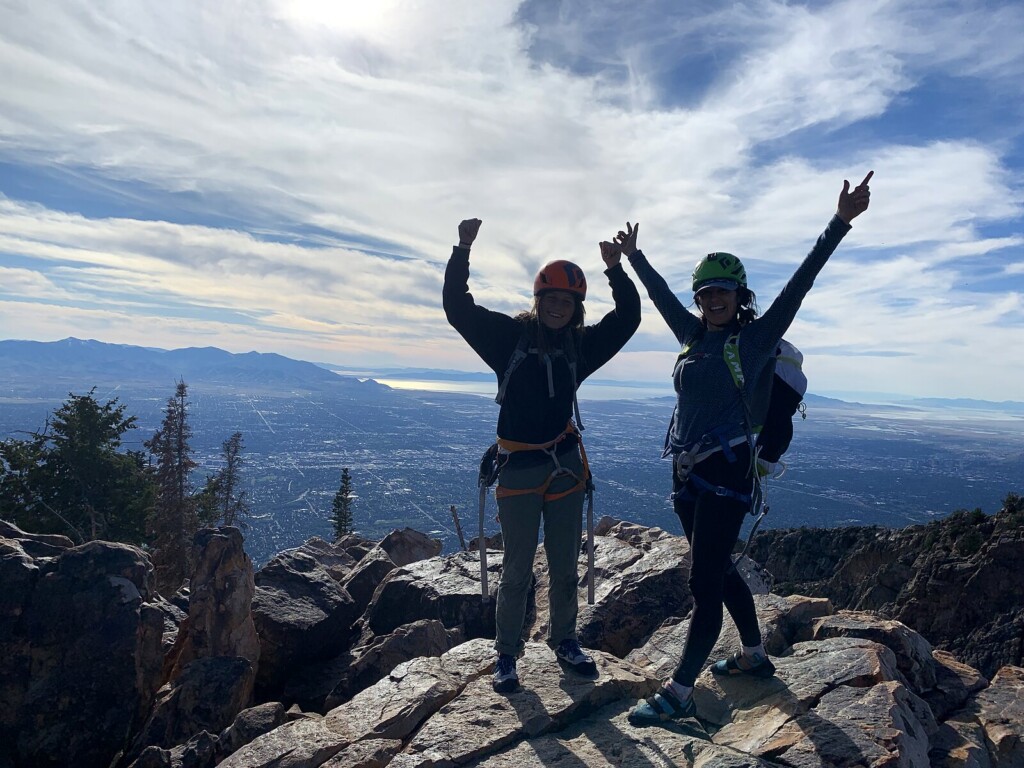
Two climbers celebrating on a Wasatch summit above Salt Lake City

Before the day

We’ll ask about your hiking or running background, recent big days, comfort with exposure, and any route you have in mind. Your guide confirms the objective and meeting point the day before, once they have the forecast.

Meeting

Usually 7:00 AM, at a Cottonwood Canyon Park and Ride or directly at the trailhead. Earlier in high summer—being off the crest by early afternoon matters more than an extra hour of sleep.

Point-to-point traverses may need a car shuttle between trailheads. Your guide will sort out the plan with you.

On the ridge

On the scramble, you’ll move through hiking, hands-on 3rd and 4th class scrambling, and exposed ridge walking. Your guide uses the rope where it adds security, and shows you what you need when you need it.

On the run, expect a mix: runnable singletrack, rough ground where running becomes fast hiking, and short sections of scrambling.

Coming down

The descent is part of the day—often long, sometimes loose, and it arrives when you’re tired. Your guide keeps working until you’re back at the car.

Thunderstorms—the serious hazard

Afternoon thunderstorms are the main hazard here, roughly July into early September. An exposed ridgeline in a lightning storm is one of the worst places in these mountains to be, and there is no fast way off most of them.

That’s why the days start early, and why your guide will turn the party around before a storm rather than after it becomes visible. If you’re told at 11 AM that the traverse is finishing early, that is the guide doing the job.

Water—what people underestimate

There’s none on the ridges. Carry two to three liters, more in July and August, and start the day hydrated.

Season

Late June through October. Snow lingers on north-facing ridgelines into June. September and early October are the best of it.

Getting there and parking

Transport isn’t included. Canyon parking may require a fee, and some trailheads fill early on summer weekends.

Is This For Me?

Two formats, two different requirements

Be honest about which one fits.

For the Alpine Scramble

Strong hiking fitness. Six to ten hours of movement with 2,000 to 5,000+ feet of gain. If you hike big days regularly, you’re in range.

Comfort with exposure. This is the requirement that decides it. Ridgeline scrambling means moving with a long drop on one or both sides, using your hands, sometimes for extended stretches. Plenty of very fit hikers discover they don’t enjoy that—better to find out on an easier objective.

No climbing experience required. Most of the ground is 3rd and 4th class. We use a rope where it adds security.

For the Trail Running Traverse

Intermediate to advanced trail running. Comfortable with long mountain outings—10 to 20 miles with substantial vertical.

Technical footing. Ridgeline running is not groomed singletrack: loose rock, uneven ground, and sections where running becomes fast hiking or scrambling.

Honest pacing. Tell us your realistic pace on mountain terrain, not your road pace.

Not sure which?

If you hike big days and are curious about ridgelines, take the scramble. If you already run mountains and want higher, more technical terrain, take the running traverse.

Who this is really for

  • Hikers who’ve done every trail in the canyons and want to know what’s above them
  • Climbers who want a mountain day with movement rather than a crag day
  • Runners looking for genuine alpine terrain rather than a long trail
  • Anyone who knows the Wasatch in winter and has never seen it in September

Who this isn’t for

  • Anyone uncomfortable with heights and exposure, at least for the scramble. Say so when you book—we can choose a gentler objective.
  • Anyone wanting a technical rock climb. That’s Wasatch Alpine Rock Climbing or Full-Day Private Rock Climbing.

Age

14 and over. Climbers aged 14 to 17 join with a parent present, and a parent or guardian signs the registration documents.

Gear & Equipment

Gear and equipment

What we provide

  • Helmet where the terrain requires it
  • Harness and a light climbing kit where the objective calls for rope protection
  • Group technical equipment

Alpine Scramble — what you bring

  • Approach shoes or lightweight boots with good edging. Trail runners are usually not enough on 4th class rock.
  • Day pack, 20–30 liters
  • Two to three liters of water. There’s no water on a ridgeline.
  • Food for a long day—things you can eat on the move
  • Layers, including a wind shell—it’s always windier up there
  • Sun protection: hat, sunglasses, high-SPF sunscreen
  • Headlamp for an early start

Trail Running Traverse — what you bring

  • Trail running shoes with real grip
  • Hydration vest or running pack
  • Light layers, including a wind shell
  • Food and electrolytes for a long effort
  • Sun protection
  • Phone, charged

Pack light

Everything you carry goes up thousands of feet and comes down again. Take what you need, and leave the “just in case” items in the car.

Not sure about your shoes?

Send us a photo or the model. Footwear is the one decision that changes the day most.

Rates & Booking

Rates and booking

Rates

Full day
1 person $695
2 people $425 each ($850 total)

Same rates for the scramble and the trail running traverse. Larger groups: we add guides and quote you directly.

No weekend premium.

What’s included — and what isn’t

Included

  • Professional WMG guide for the full day
  • Helmet, harness, and light climbing kit where the objective requires them
  • Group technical equipment
  • Objective and route planning, before the day and on it

Not included

  • Personal footwear and clothing
  • Food and water
  • Transportation and canyon parking
  • Lodging, if you’re traveling
  • Personal insurance
  • Gratuities — customary; 15–25% is standard. Cash is always appreciated, and every WMG guide also accepts Venmo.

Availability

Late June through October, on request. Private days, so we work to your dates. September and early October are the best conditions and the most popular—book ahead for autumn weekends.

How to request a trip

Send us:

  • Preferred date or dates
  • Number of people
  • Scramble or trail running
  • Your recent big days—distance, vertical, time
  • How you feel about exposure
  • Any traverse you have in mind

We suggest an objective that fits and confirm guide availability.

Registration and payment

Once your trip is confirmed, we send you the Wasatch Mountain Guides registration and payment link.

Through that link you will:

  1. Complete your trip registration
  2. Complete the required acceptance-of-risk documents
  3. Submit payment

Start with us. We will send you the correct WMG link once your trip is confirmed.

Payment and cancellation

Payment. Full payment is due when you register with Wasatch Mountain Guides — card, PayPal, check or wire.

If you cancel

If we cancel

Before the trip, for weather, hazard or conditions: move to a later date, or take a credit that never expires.

Partway through: partial credit, based on the time you spent in the field.

Once the day starts, there are no refunds for weather or conditions. Your guide will change, shorten or end the day when conditions call for it.

Guides may remove anyone whose ability or conduct puts themselves or the team at risk. There is no refund in that case.

Rescue and evacuation costs are your responsibility. Check that your insurance covers climbing; many standard policies don’t.

Full terms: Wasatch Mountain Guides Reservation, Cancellation and Refund Policy.

When you cancel What happens
More than 30 days before Full credit toward a later date, or a refund less a 5% fee
14 to 30 days before Move to a later date, subject to availability. No refund.
Fewer than 14 days before No refund or reschedule — for any reason, including injury, illness, weather or travel delays

Frequently Asked Questions

More questions? Booking, payment, cancellation, insurance and tipping are answered in the General FAQ — US Adventures. Choosing between our rock climbing and alpine programs is covered in the Rock Climbing & Alpine FAQ.

Not necessarily. Most traverses are 3rd and 4th class scrambling—hands-on, but not technical climbing. We use a rope where it adds security.

Scramble: fit enough for 6 to 10 hours with 2,000 to 5,000+ feet of gain. Running: intermediate to advanced, comfortable with 10 to 20 miles and substantial vertical.

Genuinely exposed in places. If that makes you uneasy, tell us when you book—we can choose a gentler objective.

Your guide chooses based on your fitness, experience, and the conditions. Superior to Monte Cristo and the Dromedary–Twin Peaks link are classics; there are plenty of others.

Yes. Trail running traverses are led by Erik Fullmer, co-owner of Wasatch Mountain Guides, with the route designed around running.

One or two people per guide. Larger groups get additional guides.

We adapt the route or change the date. From July into early September, expect early starts and expect your guide to turn around before a storm rather than after.

No. Carry two to three liters, more in high summer.

September and early October. July and August work but bring heat and storm risk. Snow lingers on north-facing ridgelines into June.

There is real risk that can be managed but not removed—exposure, loose rock, and weather that changes fast. Your guide manages it through objective choice, timing, rope protection where it’s warranted, and turning around when the day says so.

Scramble: approach shoes or light boots that edge well. Running: trail shoes with real grip.

Yes, from age 14, with a parent present.

Yes—The Two Canyons Traverse, our signature two-day: Superior by its Southeast or East Ridge, the Cottonwood Ridge, a camp below the Twin Peaks, and the Twins at sunrise. One climber per guide, June to September.

The Wasatch you’ve only seen under snow.

Everyone knows this range for the skiing. Far fewer people have been along the top of it in August—high ridgelines linking summit to summit, wildflower basins below, and views from the Great Salt Lake to the Uintas.

PriceFrom $425 per person · full day
Private & Custom Your dates. Your team.

This trip can run privately, on the dates that work for you.

Season
  • Late June–OctoberOn request

Questions first? Ask a guide

Location:
Wasatch, Utah
Group:
1–2 per guide
Duration:
6–10 hours
Activities:
Private · Scramble or trail run
Pricing

All prices are in US dollars.

The Wasatch you’ve only seen under snow.

Everyone knows this range for the skiing. Far fewer people have been along the top of it in August—high ridgelines linking summit to summit, wildflower basins below, and views from the Great Salt Lake to the Uintas.

1 Person:

$450

2 People:

$250 each

3 People:

$200 each

Request This Day

Private Expedition

Plan your private Wasatch Alpine Traverses

Wasatch Alpine Traverses runs as a private trip: on your dates, with your people, built around your goal. Same guides and the same safety standard as every BBE expedition.

Your dates

We set the departure around your calendar, not the other way round.

Your people

Family, friends, a company team, or just you and a guide.

Your goal

Training for a bigger peak, a winter or speed attempt, a film, or a route that runs from summit to ocean.

Your price

Private trips are quoted for your group size, dates and plan.

Professional Mountain Standards

Your guide is a professional mountain guide from Wasatch Mountain Guides (WMG).

AMGA — American Mountain Guides Association logo
IFMGA / UIAGM — International Federation of Mountain Guides Associations logo

Related Trips