US Adventures USA Utah

Wasatch Alpine Rock Climbing

Full-day guided alpine objectives above Salt Lake City

Full day Group: Maximum 2 climbers per guide From $425 per person · full day

The Activity

Wasatch Alpine Rock Climbing · Wasatch, Utah

A real mountain day, forty minutes from the city.

Most people who climb in the Wasatch never leave the roadside. That’s a shame, because the range above Salt Lake City holds long ridges, exposed traverses, and technical mountain routes that give you everything an alpine day gives you—the early start, the position, the commitment, the descent you have to think about—without a flight to Chamonix.

DurationFull day
GroupMaximum 2 climbers per guide
PriceFrom $425 per person · full day
ExperienceDepends on the objective
SeasonJuly–September for most objectives
WhereWasatch, Utah

What you pay

Full day · per person and total for your group

Group Per person Total
1 climber $695 $695
2 climbers $425 $850

Private guide, maximum 2 climbers per guide. Inclusions and cancellation terms are in the Rates & Booking tab.

The South Ridge of Mount Superior. Devil’s Castle. Kampus Ridge. The West Slabs of Olympus. Proper mountain objectives with proper mountain consequences, within an hour of the airport.

This is a full day of it, with a guide who knows these routes in every condition they come in.
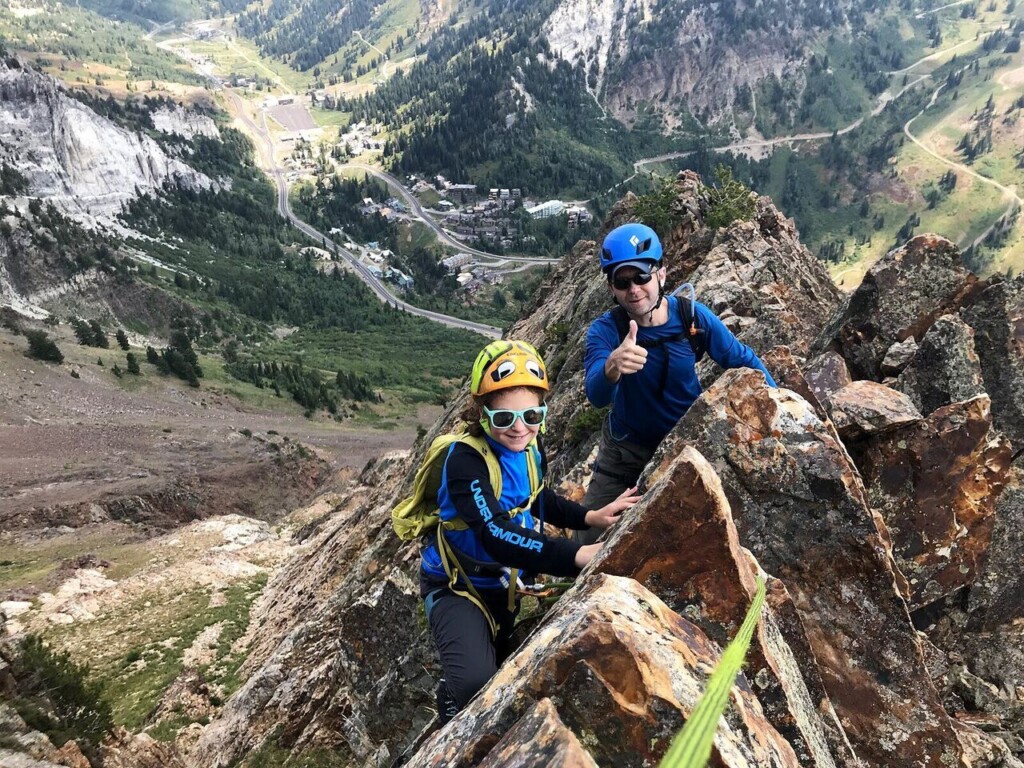
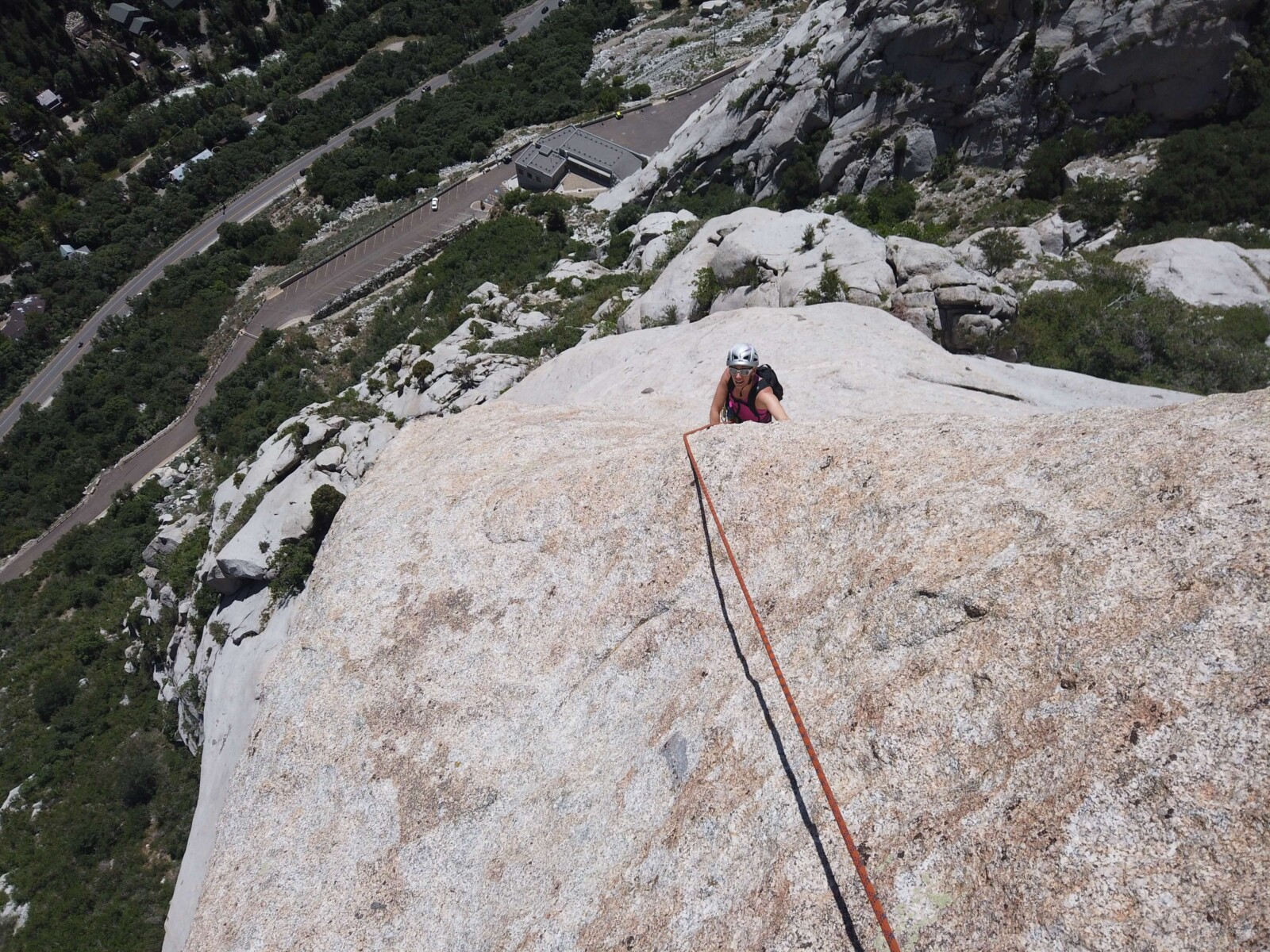
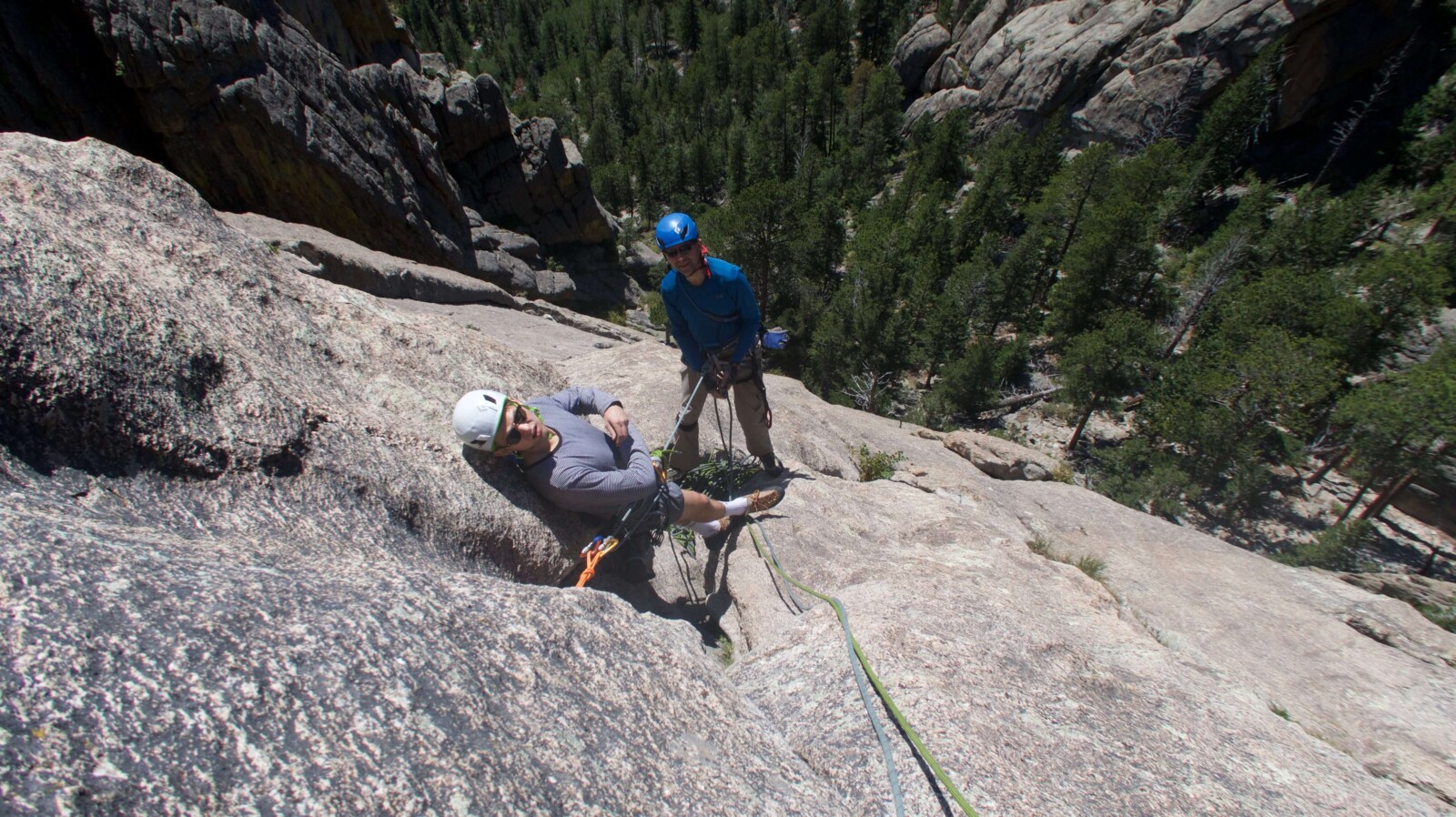
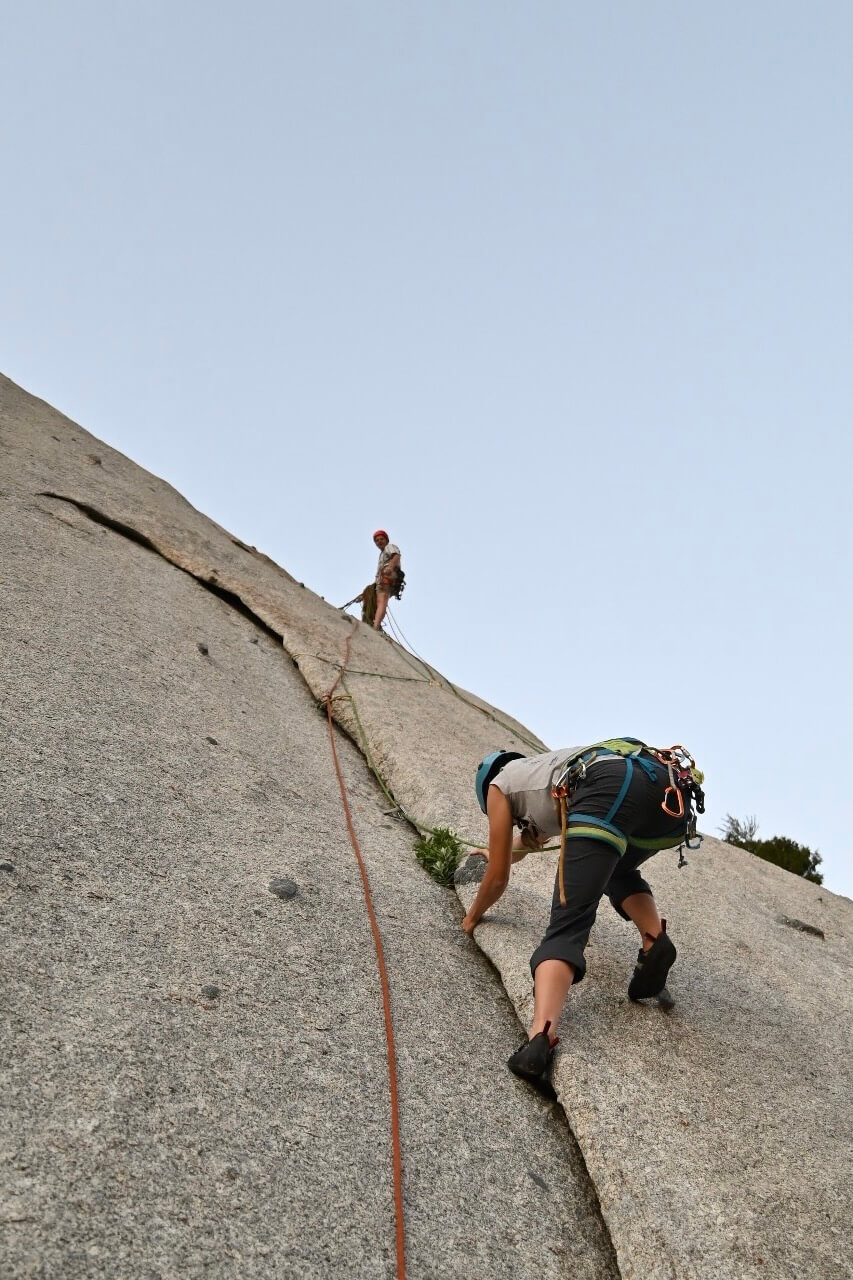
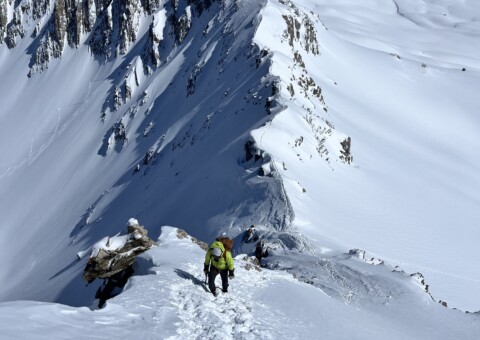
Two climbers on an alpine ridge in the Wasatch, Utah

What makes it different from a day at the crag

At a crag you park, walk fifteen minutes, and climb. The rock is the day. Alpine climbing is the whole mountain:

  • A real approach, often steep, sometimes before it’s light
  • Significant elevation gain—thousands of feet, not hundreds
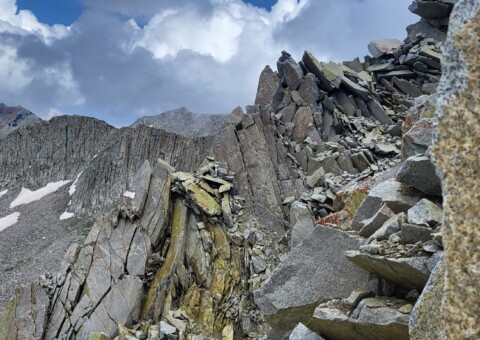
  • Scrambling and exposed ridge travel, where the climbing is easy and the consequence isn’t
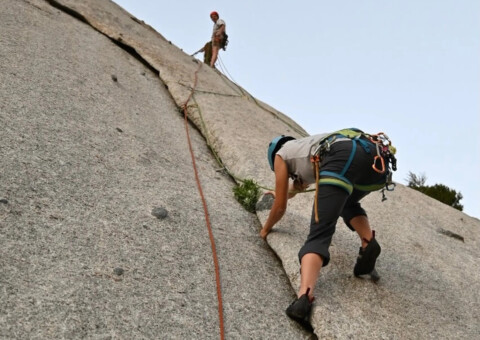
  • Technical rock sections linked into a longer day
  • Route-finding that actually matters
  • Weather you have to watch, on ground you can’t leave quickly
  • A descent that is part of the objective, not an afterthought

The climbing is often easier than what you do at the crag. The day is much harder.

Classic Wasatch objectives

The route is chosen for your experience, fitness, the weather, and the conditions.

South Ridge of Mount Superior

Scrambling, exposure, rock climbing, and a position above Little Cottonwood that feels enormous. A natural introduction to Wasatch alpine climbing for a fit client ready for technical mountain terrain.

Devil’s Castle

A dramatic ridgeline above Alta, exposed scrambling with technical sections. Complex ground that teaches you to move through terrain rather than up a line.

West Slabs of Mount Olympus

A long, sustained slab climb with serious elevation gain. The technical climbing is moderate; the approach, continuous movement, route-finding, and descent make it a big day by anyone’s standard.

Kampus Ridge

Scrambling, exposure, and technical climbing on a classic Wasatch ridge. A good step up for a client who found Superior comfortable.

Geurt’s Ridge, Mount Olympus

Long, technical, committing. For climbers ready for a bigger day.

Have another objective in mind? The Wasatch holds far more than this list. Tell us what you’ve been reading about and we’ll say honestly whether it fits.

Fitness is usually the deciding factor

Technical ability alone is not enough, and this is what clients most often get wrong. You need to move uphill for hours, scramble, gain real elevation, descend for a long time at the end of a long day, and still make good decisions in the last hour.

Why the ratio is two

Never more than two climbers per guide, and harder objectives run at one. If a route needs 1:1 and there are two of you, we choose a different objective—your price doesn’t change.

Where this fits

Before this: if you climb but have never done a mountain day, Full-Day Private Rock Climbing on a long multi-pitch route is the honest step. New to outdoor climbing? Start with Learn to Rock Climb Outside.

Alongside it: Rock Climbing Mentorship, to build the efficiency these days demand.

After it: desert towers in Moab, or the glaciated peaks these skills are the foundation for.

Operated and guided by Wasatch Mountain Guides (WMG). BBE is the referral and sales partner; reservations, payments and required forms are handled directly by WMG.

Questions before you book?

We answer every inquiry personally.
Ask a guide

The Day & Logistics

The alpine day

There is no fixed schedule, and on this trip that isn’t a formality. Start time, duration, and objective all depend on the route, the season, the forecast, the approach, and how fast you actually move. Your guide decides.

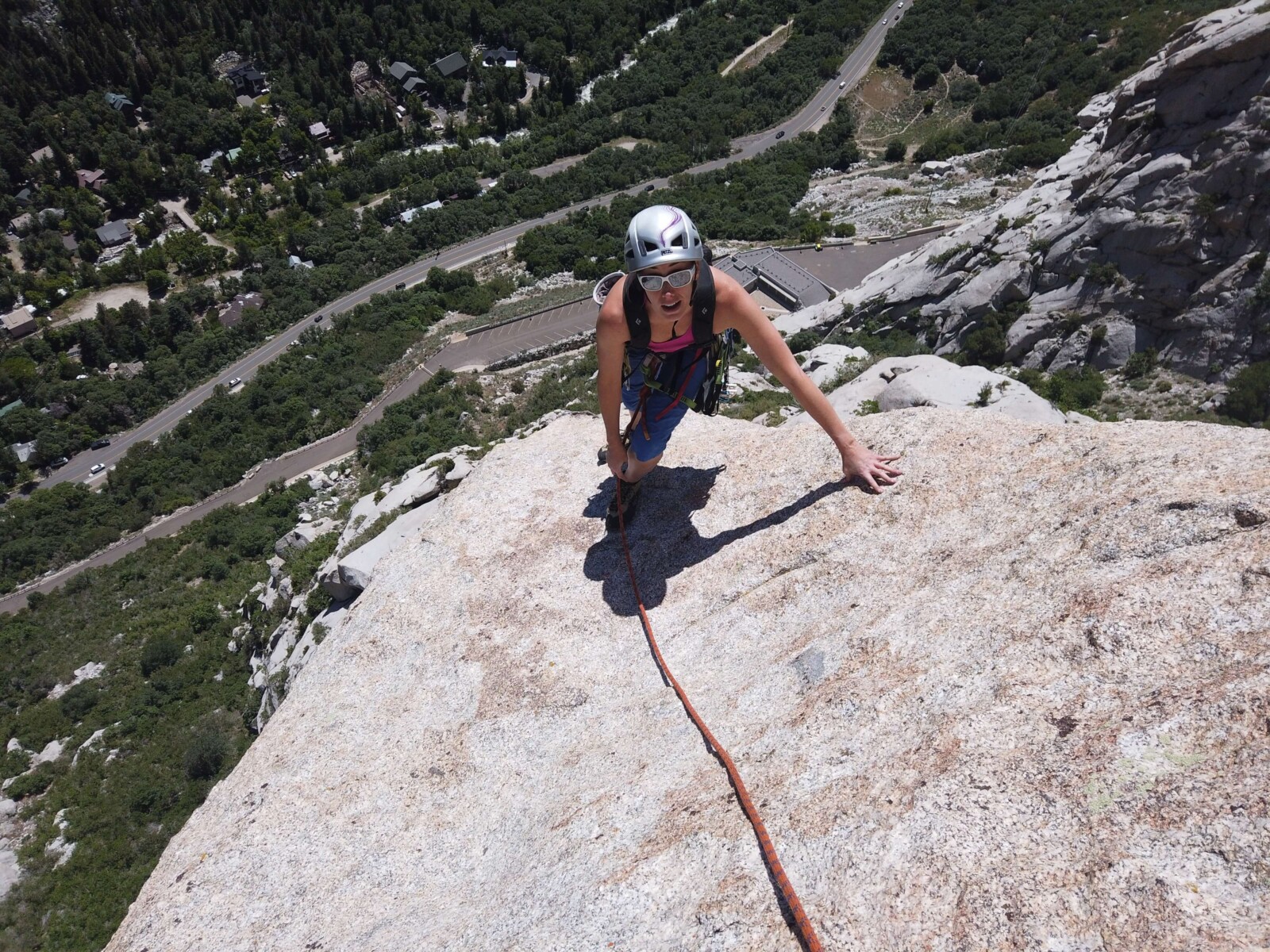
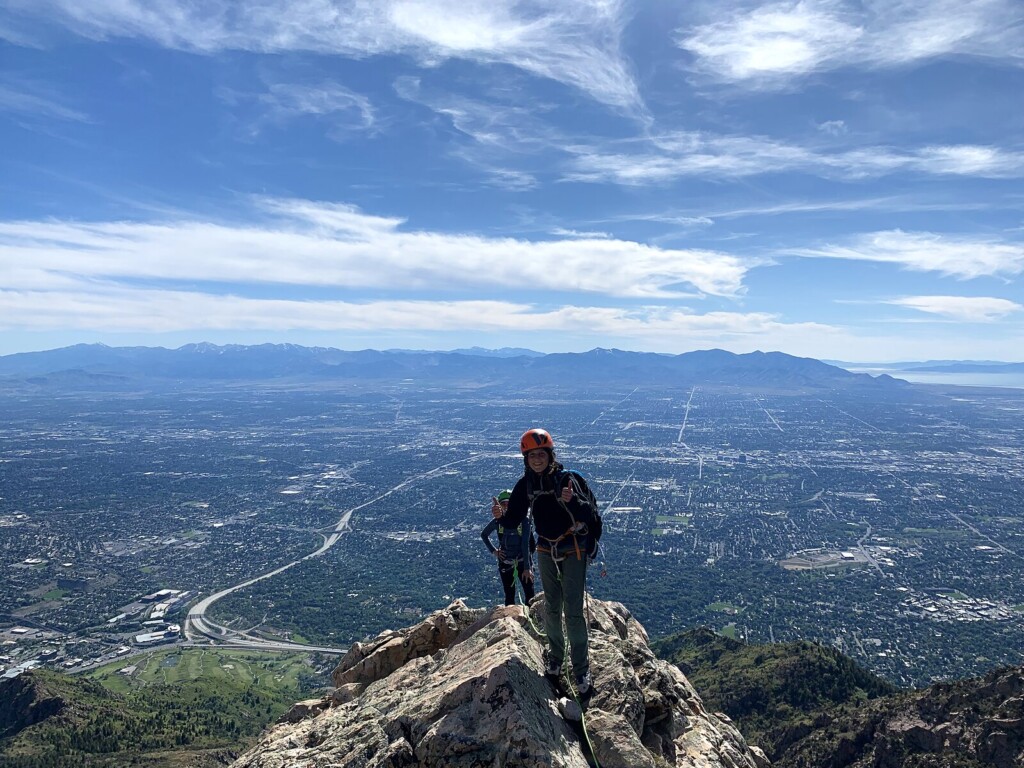
Climber on a Wasatch ridge above the Salt Lake Valley

Planning the objective—before the day

This starts when you book. We’ll want:

  • Your climbing background—grades, multi-pitch, rappelling, how recently
  • Your hill fitness, honestly—the longest day you’ve done recently, and how it felt at the end
  • How you are with exposure
  • Any objective you have in mind, as early as possible
  • Injuries, medical conditions, or medication your guide should know about

Your guide confirms the objective the evening before, when the forecast is worth trusting. Sometimes the route changes. That’s normal, and it isn’t a downgrade.

The early start

Often very early, sometimes before light. This isn’t machismo. Afternoon thunderstorms are a genuine hazard on a ridge, loose ground is more stable cold, and a long day needs the hours.

Plan your night before around it: eat properly, pack the evening before, sleep.

The approach

Steep, usually long, and part of the objective. This is where fitness shows. Pace yourself—the people who struggle on the ridge are usually the ones who raced the approach.

On the ridge

Alpine ground doesn’t divide neatly into climbing and not-climbing. You’ll move through scrambling, exposed walking, short technical steps, and full pitches, sometimes within minutes of each other.

Your guide manages the rope to match—short-roping through the scrambling, moving together where it’s appropriate, pitching it out where it isn’t.

Exposure is constant on most of these routes. Not difficulty—exposure.

Route-finding

Real, and on some routes it’s most of the difficulty. No chalk, no bolts, no obvious line.

The descent

Part of the objective, not the end of it. Long, often loose, sometimes with rappels, and it comes when you’re tired and pleased with yourself—exactly when accidents happen.

Turning around

On this trip more than any other, the plan can change mid-day. Weather builds, the party is slower than expected, a section is out of condition, someone isn’t right. Your guide will change the objective or go down. That decision is theirs, and it’s the single thing you are most paying for.

The summit is not the only measure of success—on a Wasatch ridge in August, that’s an operational fact.

What your guide may teach along the way

Short-roping, belayed climbing, multi-pitch systems, rappelling, rope management, ridge travel, scrambling technique, route-finding, and efficient transitions. This is a guided objective, not a course—for a curriculum, Rock Climbing Mentorship will serve you better.

Season

July through September for most objectives—shorter than the crag season. Wasatch ridges hold snow well after the canyons are dry; a north-facing ridge in May or June can be a snow climb, which is a different trip requiring different equipment. Some objectives come into condition sooner than others, and it varies by year—ask.

Weather

Weather matters more on a ridge than at a crag, and changes faster at altitude. Wind, building storms, heat, cold, and wet rock can all make a planned objective wrong. Your guide may change the route, move the start, pick a lower objective, or turn around partway up. That flexibility is the product.

Getting there and parking

Transport isn’t included. Trailheads vary by objective, and your guide confirms the meeting point with the plan. Some trailheads charge for parking and fill very early on summer weekends.

How to prepare

If you have weeks before the day, the useful preparation is hill fitness, not climbing. Long days with elevation gain, ideally with a pack. Descend on rough ground—descending is what wrecks people on these routes.

Is This For Me?

Is this your day?

The objectives range widely, so the honest answer depends on which one. Some suit a very fit hiker with no climbing background. Others need real multi-pitch experience. The first conversation is matching you to the right route.

This is for you if

  • You already rock climb and want something bigger than a crag day
  • You’re a strong hiker ready to move into technical mountain terrain
  • You scramble and you’re ready for more exposure and a rope
  • You’re training for something larger—the Alps, the Cascades, a glaciated peak
  • You’re visiting Utah and want the range rather than the roadside

Something else fits better if

  • You’ve never climbed and aren’t a hiker. Half-Day Rock Climbing.
  • You want to learn systems properly. Learn to Rock Climb Outside, Learn to Lead Outside, or Rock Climbing Mentorship.
  • You want to climb hard. Alpine routes here are moderate technically. For a grade, book Full-Day Private Rock Climbing.
  • You can’t move for eight hours. The honest one.

Fitness matters more than climbing ability

A 5.11 climber who doesn’t hike is on the wrong objective. A very fit hiker who has never led a pitch often has a better day than either. If you’re unsure which you are, tell us what you’ve done recently—a long day in the hills is more informative than a grade.

How much exposure is there?

On the ridge routes, a lot—that’s the point of them. Exposure is not difficulty. The climbing on the South Ridge of Superior isn’t hard; what makes it serious is that the ground drops away on both sides for a long time.

If heights bother you, say so before you book. There are objectives with less of it.

Do I need multi-pitch experience?

For the harder objectives, yes. For introductory ones like the South Ridge, not necessarily—strong fitness and comfort with heights matter more. Be straight with us about what you’ve actually done.

Can two of us climb together?

Yes—two per guide is the maximum. If an objective needs 1:1 and there are two of you, we choose a different objective. Your price doesn’t change.

Can I bring a route I found online?

Please do. We’ll tell you honestly whether it suits your experience, fitness, and the season—and if it doesn’t, what would, and what you’d need to do to be ready for it next year.

Age

The minimum age for rock climbing is 8, and anyone under 18 needs a parent or guardian to sign. On alpine objectives, fitness, experience, and comfort with exposure decide what’s appropriate—tell us about any younger climber when you get in touch.

Gear & Equipment

Gear and equipment

The exact list depends on the objective, and your guide sends it once the route is chosen. This is what every alpine day here needs.

What we provide

All group technical equipment the route requires—ropes, protection, anchor material, hardware, and whatever the specific objective calls for.

What you bring

Item Notes
Helmet Required on every objective.
Harness Yours if you own one; tell us if you need one.
Footwear Depends on the route. Approach shoes for most ridges; rock shoes for sustained technical climbing. Your guide tells you which.
Small backpack 20–30 liters. You carry it all day—smaller is better.
2–3 liters of water More on a hot day. There’s no water on a ridge.
Food for a long day Things you can eat while moving.
Sun protection Hat, sunglasses, sunscreen. Ridges have no shade.
Layers and a light shell Cold at 5am, hot by ten, windy on top.
Headlamp For the early start.

On packing light

This matters more here than on any other trip we run. Everything you bring goes up thousands of feet on your back and comes down again. Take what you need. Then take out the spare fleece you packed just in case.

Footwear is the decision that matters

Most Wasatch ridges are climbed in approach shoes—you’re scrambling far more than climbing, and swapping shoes on a ridge wastes time. Routes with sustained technical climbing may need rock shoes as well.

Wait for your guide’s advice before buying anything. The right footwear for the South Ridge isn’t the right footwear for the West Slabs.

Rates & Booking

Rates and booking

Rates

Full day
1 climber $695
2 climbers $425 each ($850 total)

Maximum two climbers per guide. If a route needs 1:1 while there are two of you, we choose a different objective. Your price doesn’t change.

No weekend premium. Alpine days are scheduled around conditions and your availability.

Why it costs more than a crag day

  • The ratio is smaller—two climbers maximum, and harder objectives run at one
  • The day is 6 to 10+ hours, often starting before light
  • Route planning happens before the day—conditions, forecast, and an objective matched to you
  • The risk management is more complex—exposure, weather, route-finding, a long descent

You’re paying for the judgment more than the climbing. On a ridge with weather building, that’s what matters.

What’s included — and what isn’t

Included

  • Professional WMG guide for the full day
  • All group technical equipment—ropes, protection, anchors, hardware
  • Objective selection and route planning, before the day and on it

Not included

  • Personal equipment (helmet, harness, footwear)
  • Transportation—trailheads vary by objective, so you’ll need a vehicle
  • Trailhead and canyon parking
  • Food and water
  • Lodging, if you’re traveling
  • Personal insurance
  • Gratuities — customary; 15–25% is standard. Cash is always appreciated, and every WMG guide also accepts Venmo.

A second day

Climbers with a specific hard objective often book two days: one so the guide can see them move, one for the route. On alpine ground, that’s how a big objective actually happens.

Season and availability

July through September for most objectives, on request. Book ahead for weekends and for September, the best month on most of these routes.

The Two Canyons Traverse

The Two Canyons Traverse—our signature two-day ridge traverse between Big and Little Cottonwood, with a camp below the Twin Peaks. One climber per guide, June to September. See Wasatch Alpine Traverses.

How to request a trip

This trip needs a conversation—the objective has to fit you. Tell us:

  • Preferred date or dates
  • Climbing alone or with a partner
  • Your climbing background and hill fitness
  • Any objective you have in mind

We’ll propose a route and confirm guide availability.

Registration and payment

Once your trip is confirmed, we send you the Wasatch Mountain Guides registration and payment link.

Through that link you will:

  1. Complete your trip registration
  2. Complete the required acceptance-of-risk documents
  3. Submit payment

Start with us. We will send you the correct WMG link once your trip is confirmed.

Payment and cancellation

Payment. Full payment is due when you register with Wasatch Mountain Guides — card, PayPal, check or wire.

If you cancel

If we cancel

Before the trip, for weather, hazard or conditions: move to a later date, or take a credit that never expires.

Partway through: partial credit, based on the time you spent in the field.

Once the day starts, there are no refunds for weather or conditions. Your guide will change, shorten or end the day when conditions call for it.

Guides may remove anyone whose ability or conduct puts themselves or the team at risk. There is no refund in that case.

Rescue and evacuation costs are your responsibility. Check that your insurance covers climbing; many standard policies don’t.

Full terms: Wasatch Mountain Guides Reservation, Cancellation and Refund Policy.

When you cancel What happens
More than 30 days before Full credit toward a later date, or a refund less a 5% fee
14 to 30 days before Move to a later date, subject to availability. No refund.
Fewer than 14 days before No refund or reschedule — for any reason, including injury, illness, weather or travel delays

On price

We don’t discount this. Two climbers maximum, a professional guide for a long mountain day, and the judgment to turn around when it’s right. On exposed ground, the ratio and the guide’s qualifications are the things that matter.

Frequently Asked Questions

More questions? Booking, payment, cancellation, insurance, age and tipping are answered in the General FAQ — US Adventures. Choosing between our rock climbing and alpine programs is covered in the Rock Climbing & Alpine FAQ.

Usually moderate—often easier than what you climb at the crag. What makes these days serious is the length, exposure, route-finding, and descent, not the grade.

For some objectives, no—a very fit hiker comfortable with heights can climb the South Ridge of Superior. For the harder routes, yes.

Fit enough to move uphill for hours, cover rough ground, and descend for a long time while still making good decisions. Fitness is more often the limiting factor than climbing ability.

On the ridge routes, very. If heights genuinely bother you, tell us and we’ll pick differently.

Afternoon thunderstorms are a real hazard on exposed ground, cold terrain is more stable, and long days need the hours.

Six to ten hours of movement, sometimes more.

Yes, and we like it when clients arrive with an objective. We’ll tell you honestly whether it fits.

Your guide changes the objective, moves the start, picks something lower, or turns around. That call is theirs, and it’s the main thing you’re paying for.

Then we don’t finish the route. Turning around is a professional decision, not a failure, and a guide who presses on to give you your money’s worth is the wrong guide.

Two maximum. Harder objectives run at 1:1. If an objective needs 1:1 and there are two of you, we choose a different objective—your price doesn’t change.

July through September for most objectives—shorter than the crag season, because Wasatch ridges hold snow long after the canyons are dry.

Depends on the route. Your guide tells you once the objective is set—don’t buy anything before that conversation.

No. Your guide will teach as the day allows, but it’s an objective-based day. For a curriculum, take Rock Climbing Mentorship or one of the courses.

More consequential than cragging. Exposure, loose rock, changing weather, long descents, and terrain you can’t leave quickly are all real. Your guide manages that with route choice, systems, pacing, and continuous judgment. Managed, not removed.

For most people, the descent. It’s long, often loose, and it arrives when you’re tired.

Not straight away. Get outside first—Learn to Rock Climb Outside, then some outdoor mileage.

Yes—The Two Canyons Traverse, our signature two-day ridge traverse between Big and Little Cottonwood, with a camp below the Twin Peaks. One climber per guide, June to September. See Wasatch Alpine Traverses.

A professional guide from Wasatch Mountain Guides, assigned by objective and availability.

Bigger ranges, usually. These are the skills glaciated peaks and longer alpine routes are built on—the Cascades, the Alps, the Andes. Your guide will tell you honestly what you’re ready for.

A real mountain day, forty minutes from the city.

Most people who climb in the Wasatch never leave the roadside. That’s a shame, because the range above Salt Lake City holds long ridges, exposed traverses, and technical mountain routes that give you everything an alpine day gives you—the early start, the position, the commitment, the descent you have to think about—without a flight to Chamonix.

PriceFrom $425 per person · full day
Private & Custom Your dates. Your team.

This trip can run privately, on the dates that work for you.

Season
  • July–September for most objectivesOn request

Questions first? Ask a guide

Location:
Wasatch, Utah
Group:
Maximum 2 climbers per guide
Duration:
Full day
Skill:
Depends on the objective
Pricing

All prices are in US dollars.

A real mountain day, forty minutes from the city.

Most people who climb in the Wasatch never leave the roadside. That’s a shame, because the range above Salt Lake City holds long ridges, exposed traverses, and technical mountain routes that give you everything an alpine day gives you—the early start, the position, the commitment, the descent you have to think about—without a flight to Chamonix.

Request This Day

Private Expedition

Plan your private Wasatch Alpine Rock Climbing

Wasatch Alpine Rock Climbing runs as a private trip: on your dates, with your people, built around your goal. Same guides and the same safety standard as every BBE expedition.

Your dates

We set the departure around your calendar, not the other way round.

Your people

Family, friends, a company team, or just you and a guide.

Your goal

Training for a bigger peak, a winter or speed attempt, a film, or a route that runs from summit to ocean.

Your price

Private trips are quoted for your group size, dates and plan.

Professional Mountain Standards

Your guide is a professional mountain guide from Wasatch Mountain Guides (WMG).

AMGA — American Mountain Guides Association logo
IFMGA / UIAGM — International Federation of Mountain Guides Associations logo

Related Trips