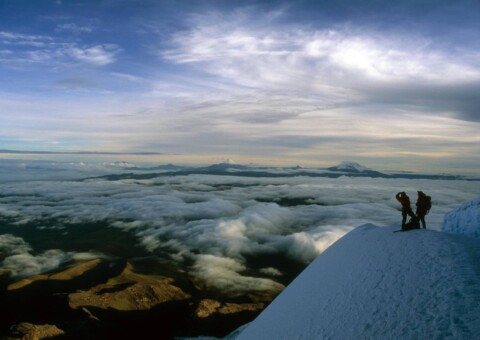
Imagine standing on a glacier nearly 19,000 feet above sea level, just a short distance from the equator. Far below are green valleys, Andean villages, and the extraordinary landscapes of Ecuador. Up here, the air is thin, the ice is real, and every step requires attention.
For climbers looking beyond their familiar summer mountains, Ecuador offers a compelling combination: glacier climbing, serious altitude, vibrant culture, and the opportunity to develop skills that travel with you to every mountain that follows.
More Than 30 Years of Climbing in Ecuador
The Benegas Brothers began exploring and guiding in Ecuador in the early 1990s. We have returned through decades of change, watching not only the glaciers retreat and the climbing terrain evolve, but also the mountaineering community and tourism infrastructure develop.
We have seen changes in the mountain refuges, hotels, transportation, and the resources available to climbing teams. Over the years, Ecuador has built a more established network of accommodations and local mountain services. Yet what brings us back remains the same: the mountains themselves, the people who know them, and the chance to share a meaningful experience with another generation of climbers.
Cayambe: Glacier Climbing on the Equator
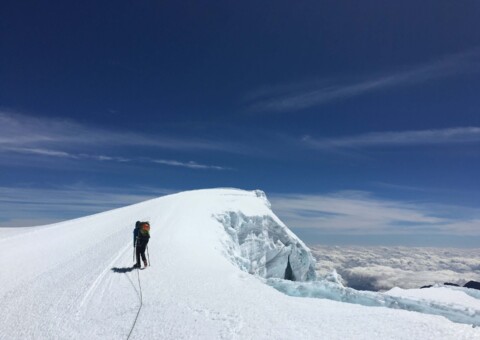
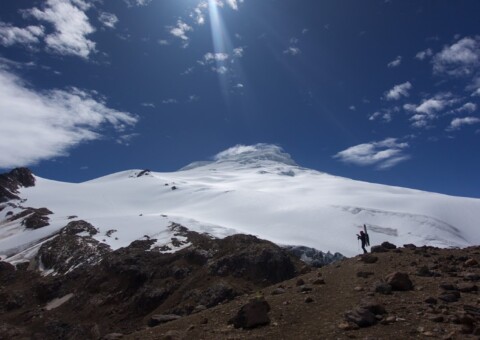
At 5,790 meters (18,996 feet), Cayambe is Ecuador’s third-highest mountain. Its southern slopes cross the equator, while its upper reaches hold glaciers, snowfields, and crevassed terrain. It is an exceptional place to experience high-altitude mountaineering, provided the program matches the climber’s preparation and the mountain’s conditions.
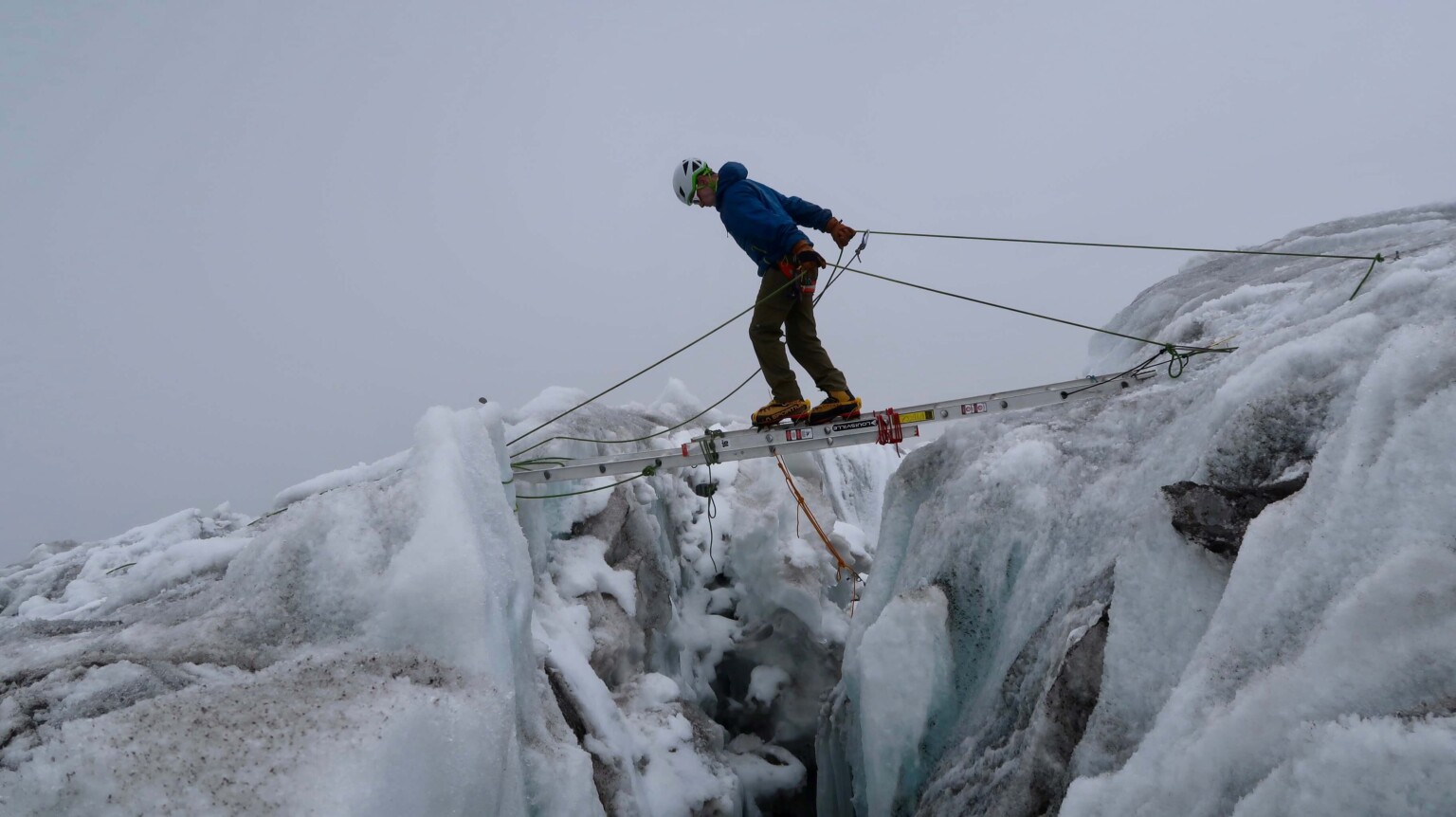
Cayambe is not simply a long hike. Roped glacier travel calls for crampon technique, ice-axe skills, clear communication, and attention to changing terrain. A good training day is not only about learning how to move across ice; it is about recognizing hazards, managing pace, and understanding the responsibilities of a rope team.
Whether you are learning these skills for the first time or refining them for a bigger expedition, the mountain offers something more lasting than a summit photograph: experience and judgment.
Why Climb Ecuador in the Northern Hemisphere Summer?
June through August is a recognized mountaineering period in Ecuador, often offering opportunities for clearer skies. But it can also bring strong winds, storms, fresh snow, and changing glacier conditions. No calendar date guarantees a safe route or a summit.
Ecuador’s advantage is the proximity of its mountains. In one journey, climbers can explore different elevations, acclimatize progressively, and discover the highland landscape around Quito, Cayambe, and the Avenue of the Volcanoes. Good planning allows flexibility for weather and for how each climber responds to altitude.
Three Volcanoes, Three Different Challenges
Cayambe — 5,790 m / 18,996 ft. A glaciated objective with excellent opportunities for rope-team travel and technical instruction. Conditions on the ice determine the appropriate route and goals.
Cotopaxi — 5,897 m / 19,347 ft. An iconic, nearly symmetrical active volcano. In addition to altitude and glacier hazards, any attempt depends on official volcanic monitoring, access restrictions, and current route conditions.
Chimborazo — 6,268 m / 20,564 ft. Ecuador’s highest mountain, demanding sustained effort and careful acclimatization above 6,000 meters. Its summit is also Earth’s farthest surface point from the planet’s center.
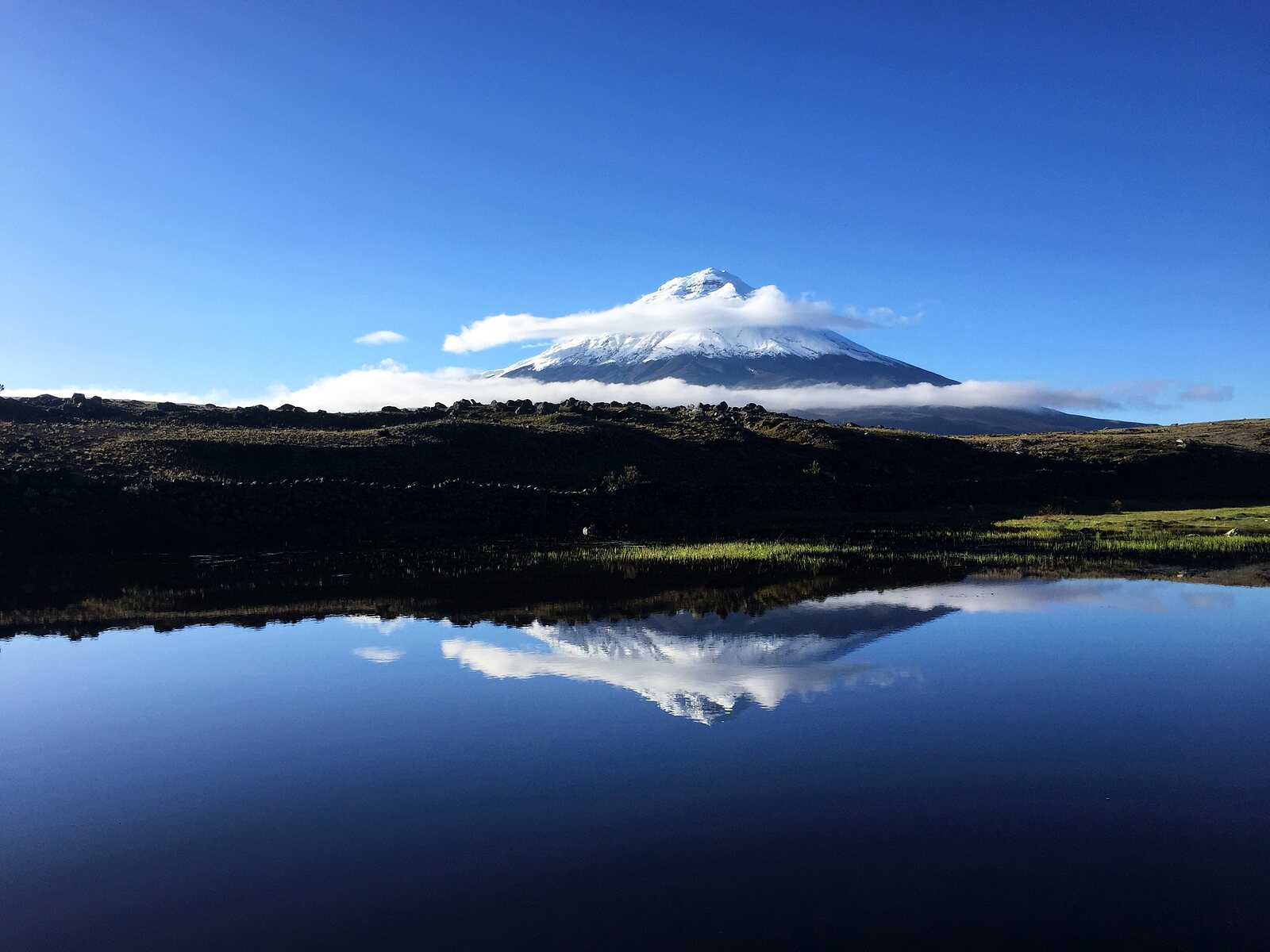
These peaks are not interchangeable boxes to check. Each requires its own preparation, conditions assessment, and honest evaluation of the team.
Learning to Become a Better Mountaineer
Since 1992, Damian and Willie Benegas have guided in some of the world’s great mountain ranges. For us, guiding has always meant more than showing someone a route. It means helping people learn how to prepare, move efficiently, look after their partners, and make sound decisions.
Ecuador can be a valuable step toward future ambitions in the Andes, Alaska, or Himalaya, although no single climb can replace the specialized preparation those mountains require. Fitness, acclimatization, technical practice, and the willingness to turn around when necessary are part of every successful climbing career.
A summit is a moment. What you learn on the way can stay with you for a lifetime.
A Landscape Worth Respecting
Ecuador’s glaciers have changed substantially over recent decades. Retreating ice can alter access, expose rock, and reshape familiar routes. These mountains are living environments, connected to local communities, water resources, and high-altitude ecosystems.
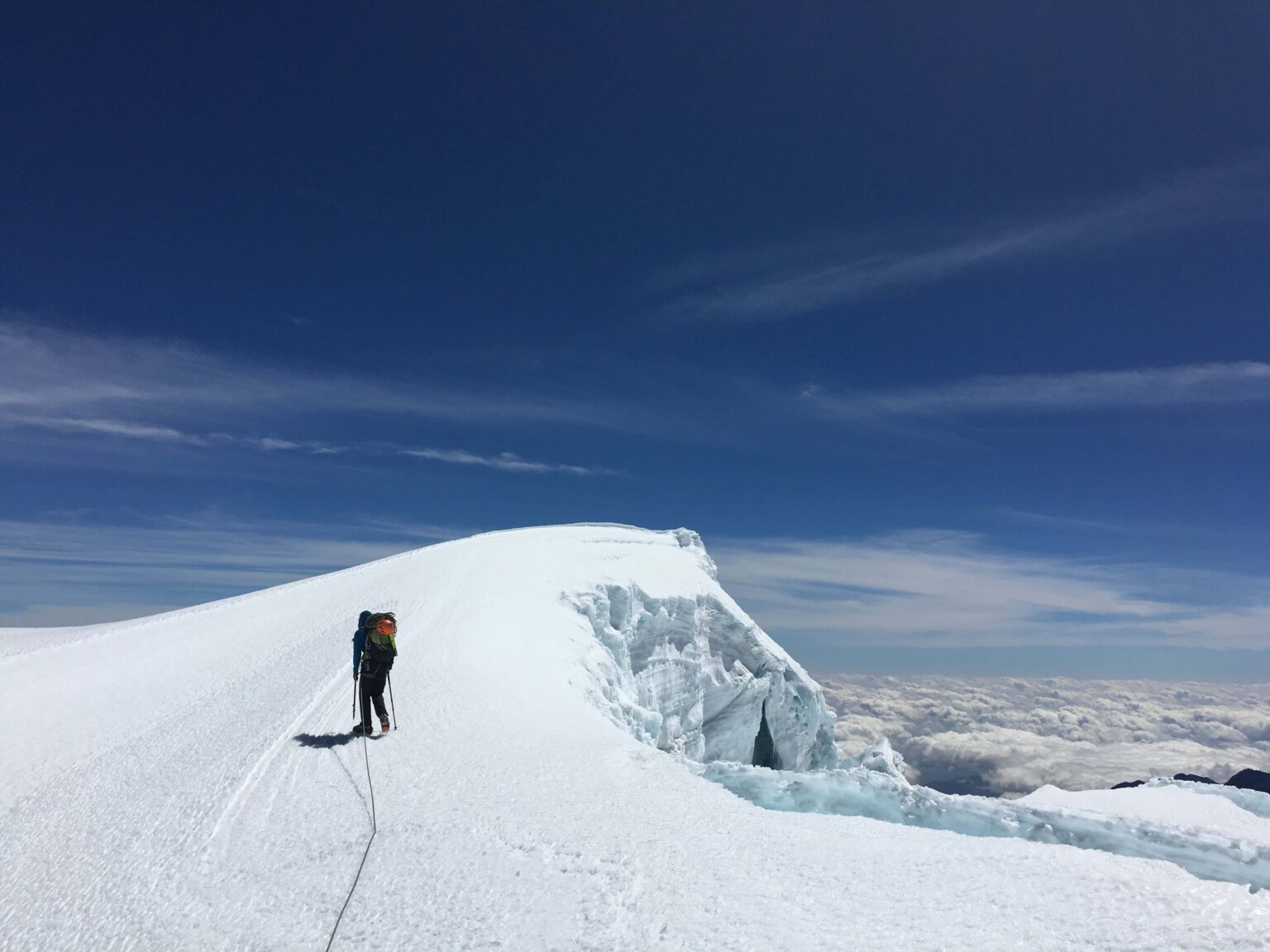
Responsible climbing means respecting protected areas, working with knowledgeable local professionals, minimizing our footprint, and observing the mountain we find today—not the mountain we remember from a previous season.
Discover Ecuador with Benegas Brothers Expeditions
Whether your goal is a first experience on a glacier, a more ambitious high-altitude progression, or a privately designed journey, we can help you choose an Ecuador program that fits your skills and aspirations.
Ecuador Mountaineering School | Ecuador Volcanoes Expedition
The best expeditions do more than take you somewhere new. They help you become a better climber.