The Climb
Ecuador Volcanoes Expedition · Quito, Ecuador · Four Summits to 20,564 ft / 6,268 m · 14 Days · Maximum Four Climbers
Four volcanoes. One deliberate order. Each summit prepares you for the next.
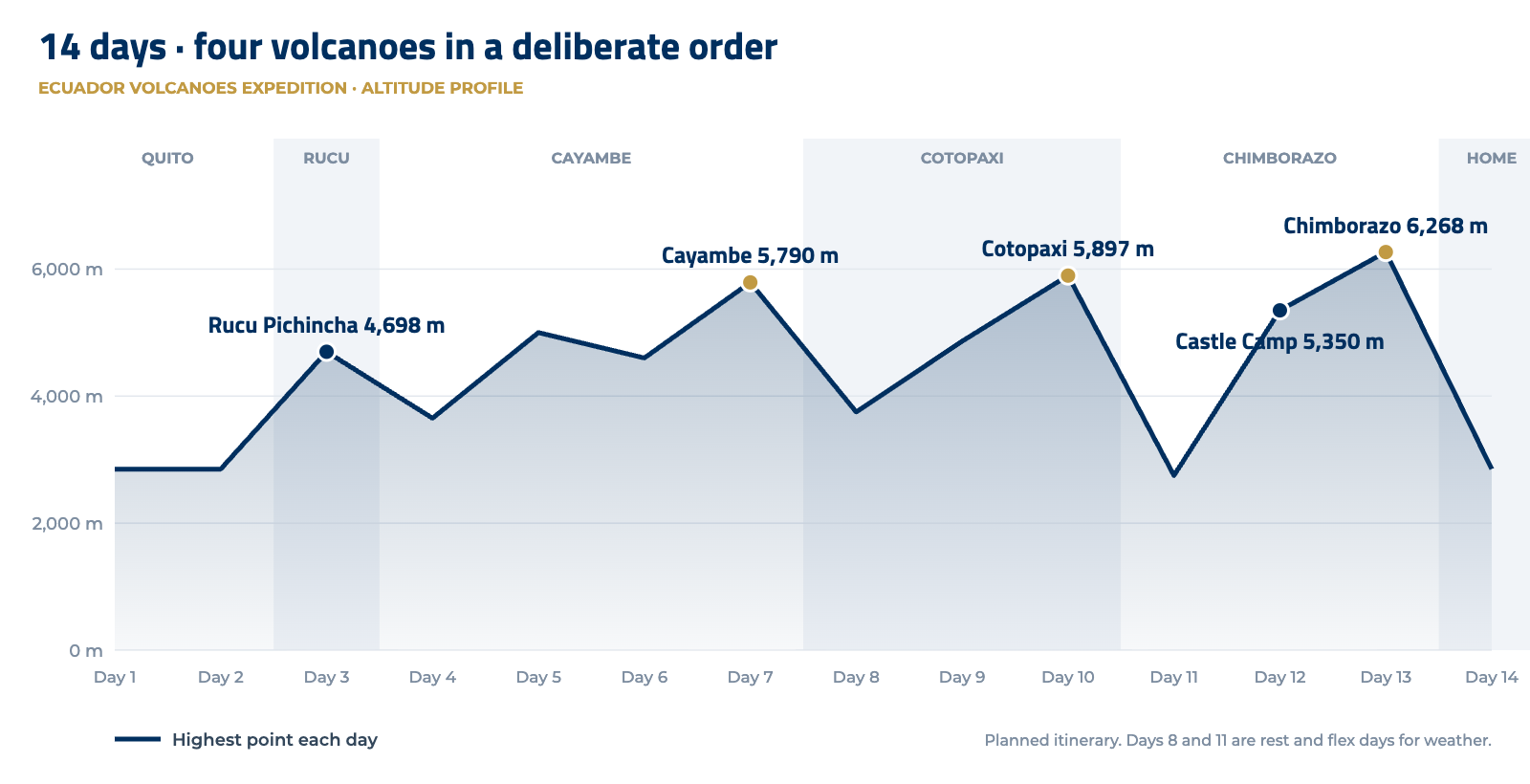
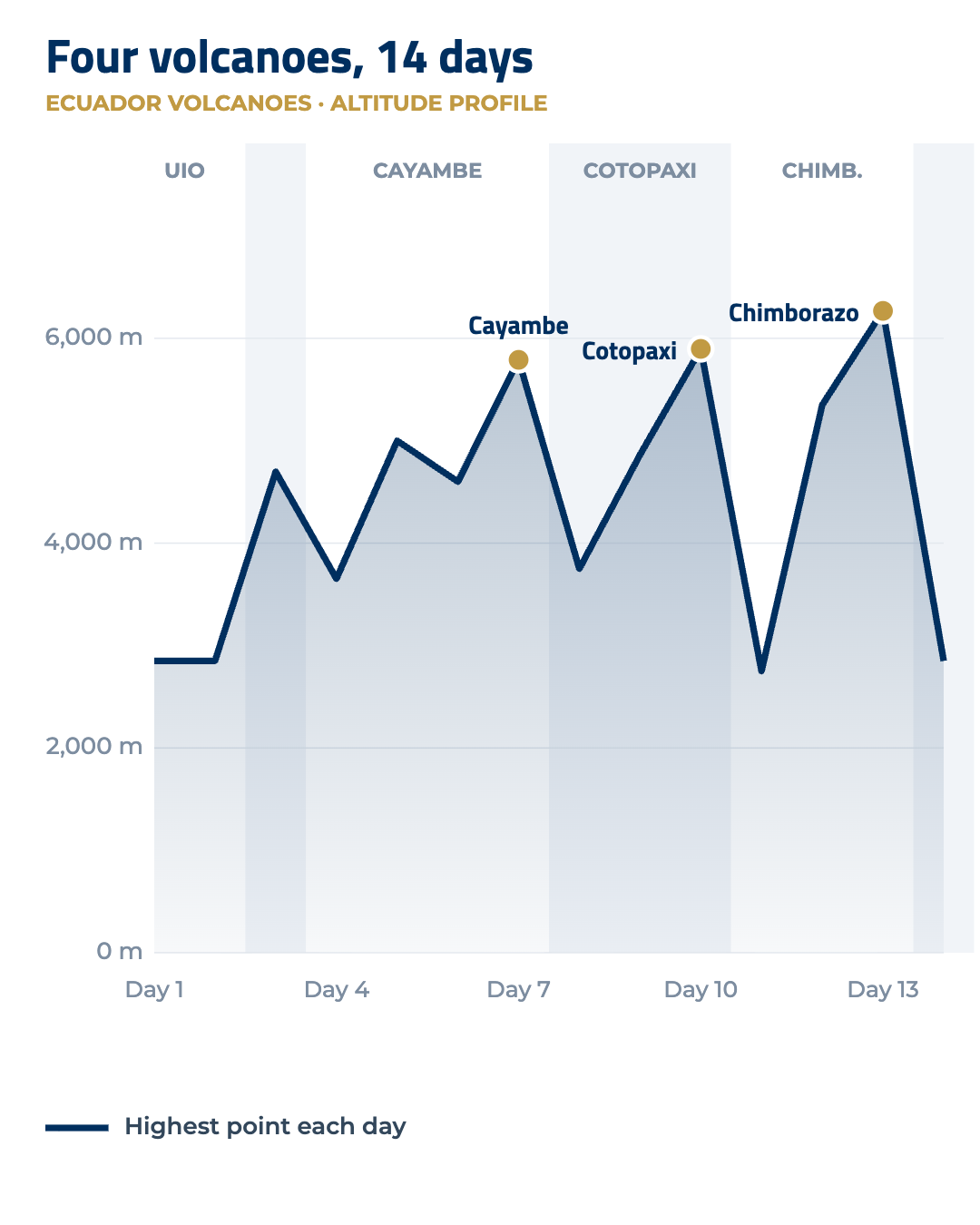
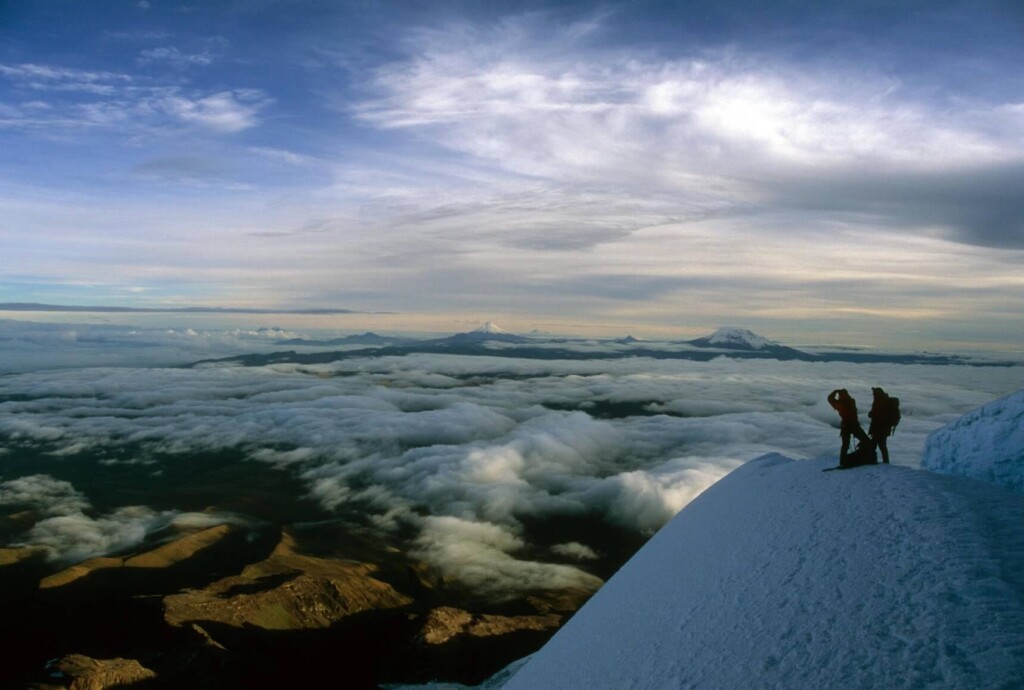
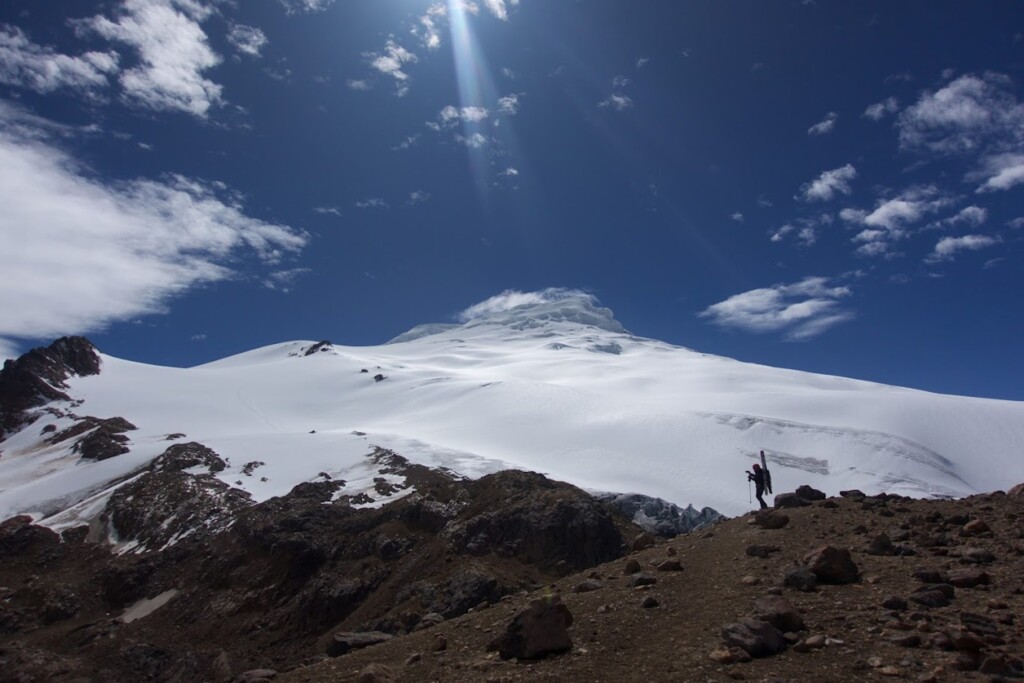
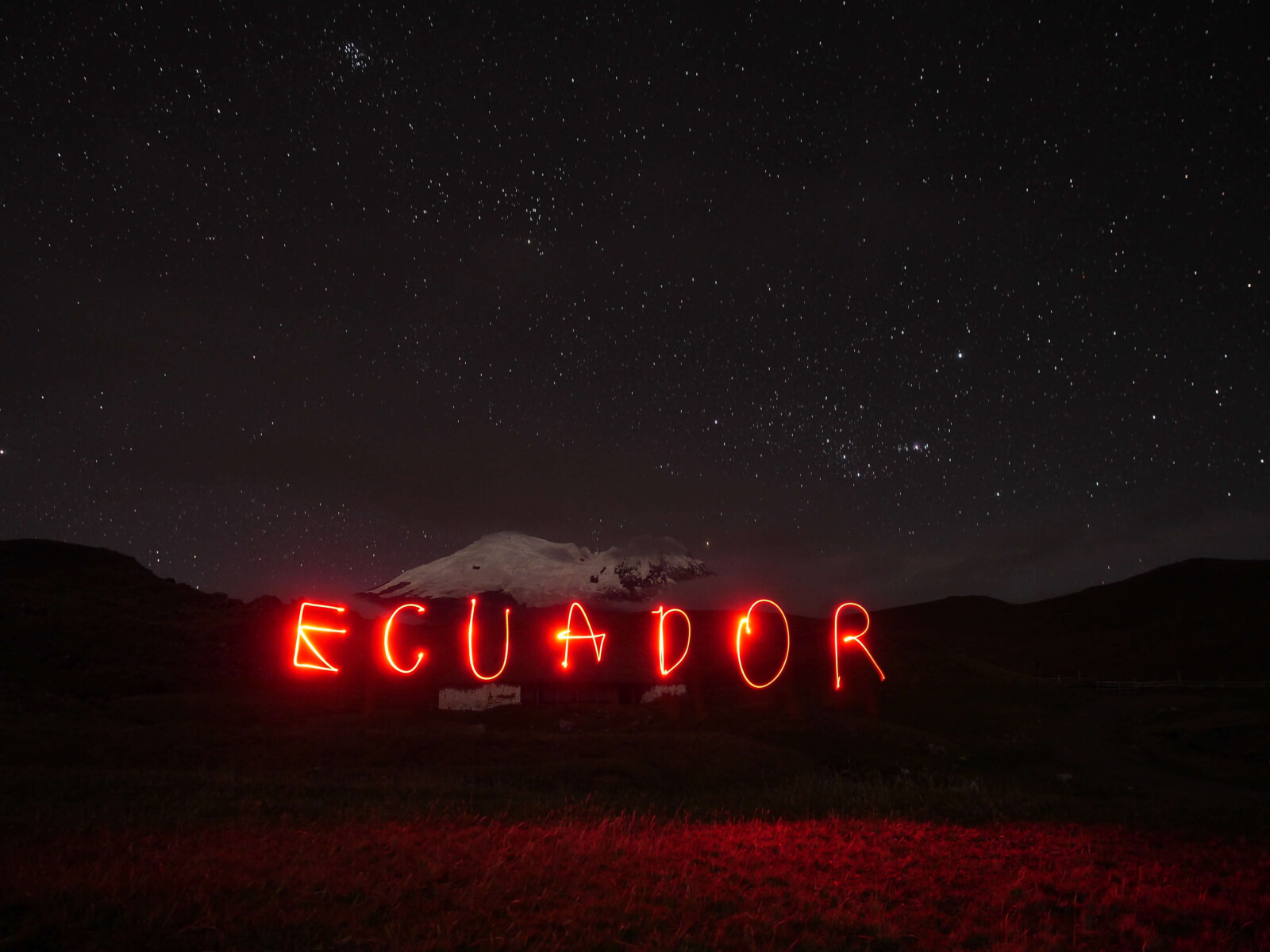
Ecuador puts a line of high, glaciated volcanoes within a few hours’ drive of each other. In fourteen days, this expedition climbs four of them in a deliberate order: Rucu Pichincha, Cayambe, Cotopaxi and Chimborazo. The last one is the highest mountain in Ecuador.
This is an expedition, not a course. You arrive with glacier mountaineering experience; we refresh your skills, then we climb. The days that would otherwise go to teaching go where they help your chances most: a high camp on Chimborazo, one guide for every climber on summit night, and two flex days for weather.
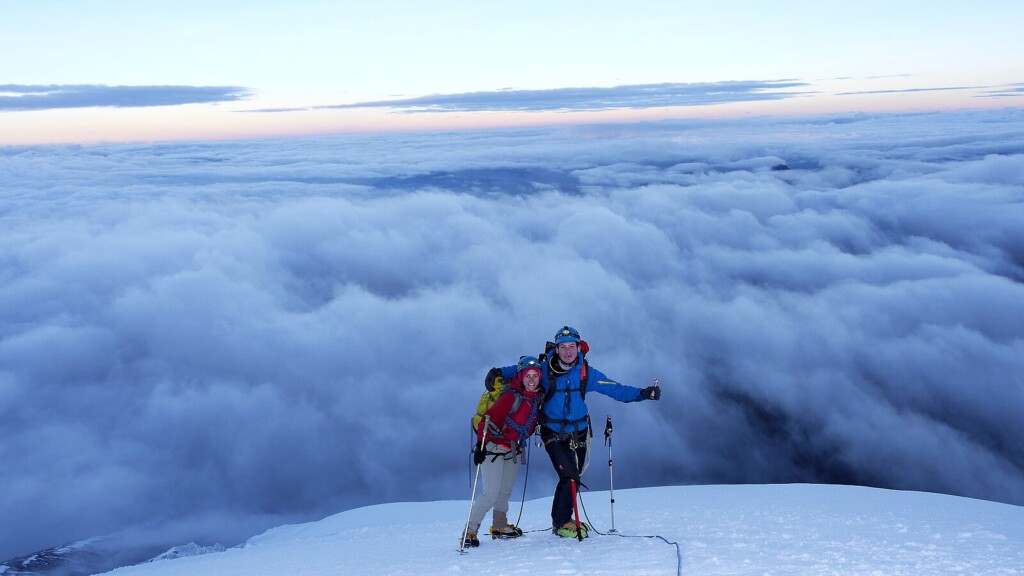
The Four Volcanoes
Rucu Pichincha: 15,413 ft / 4,698 m. The peak above Quito. A cable car, a high trail and a rocky scramble to the summit. No glacier, no ropes: this is the first real day at altitude, and it tells your guides how each climber is moving.
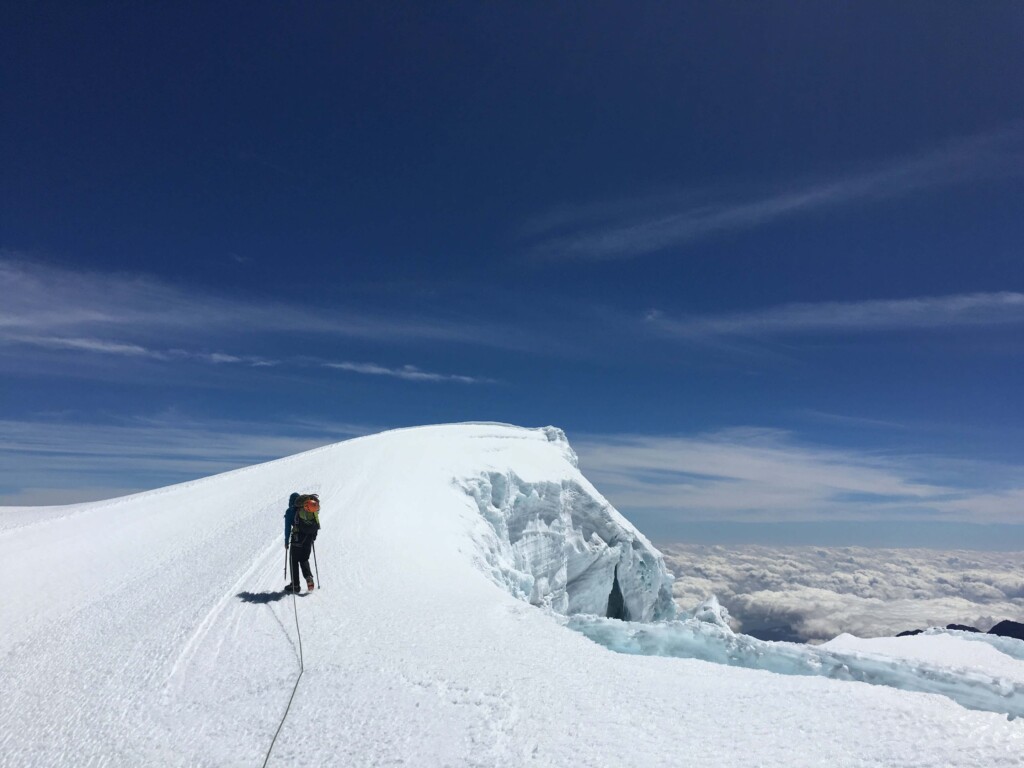
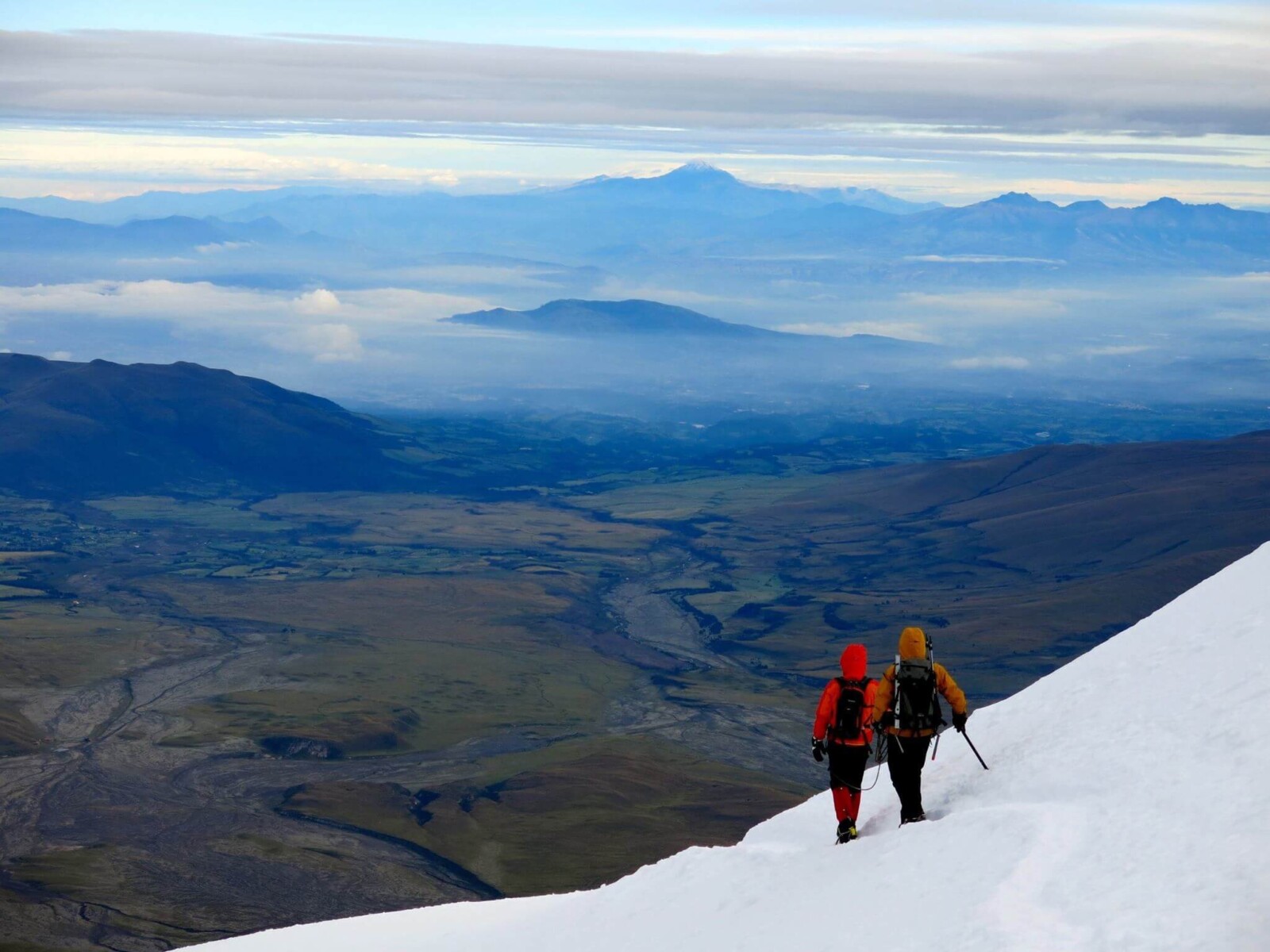
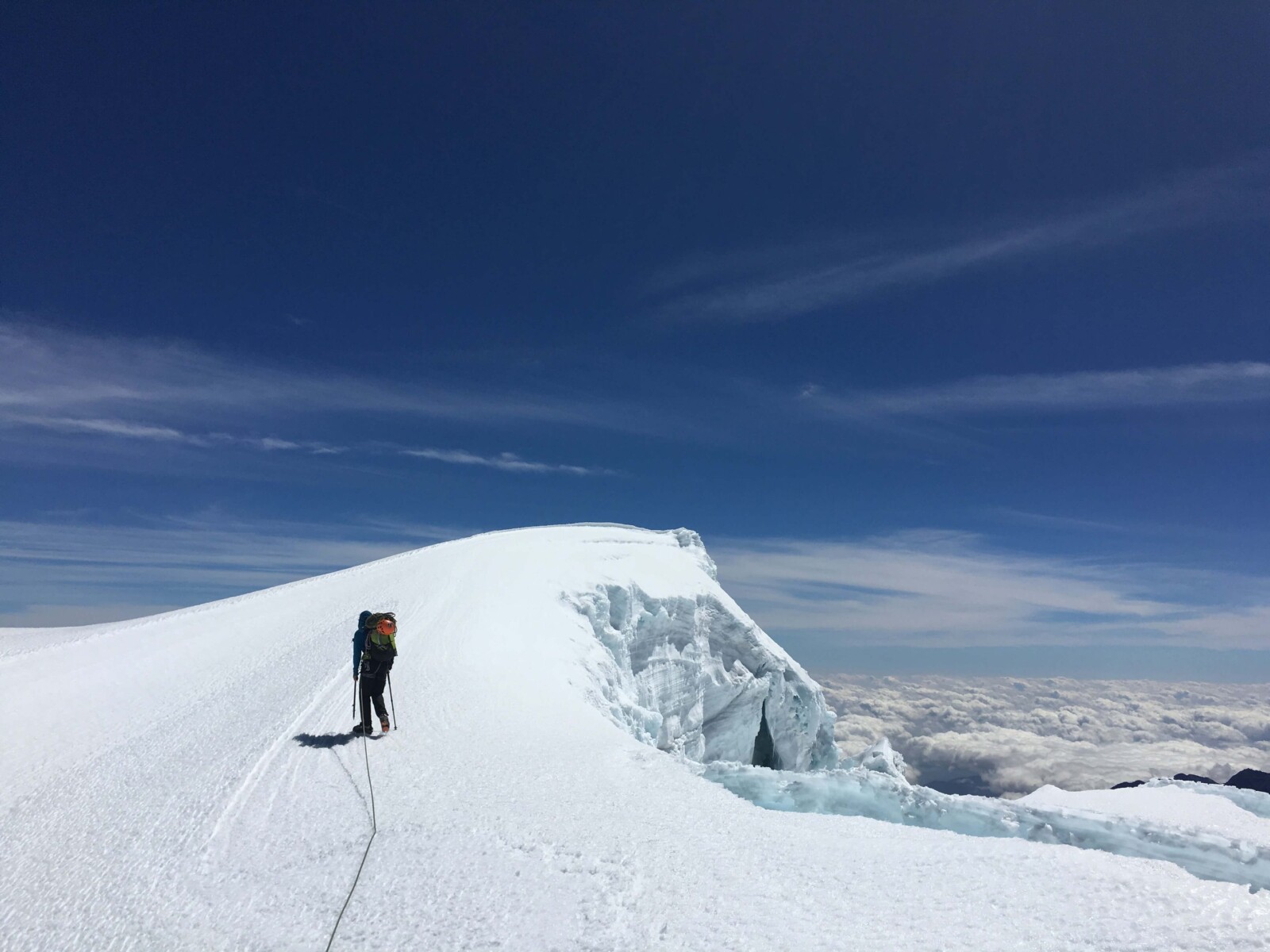
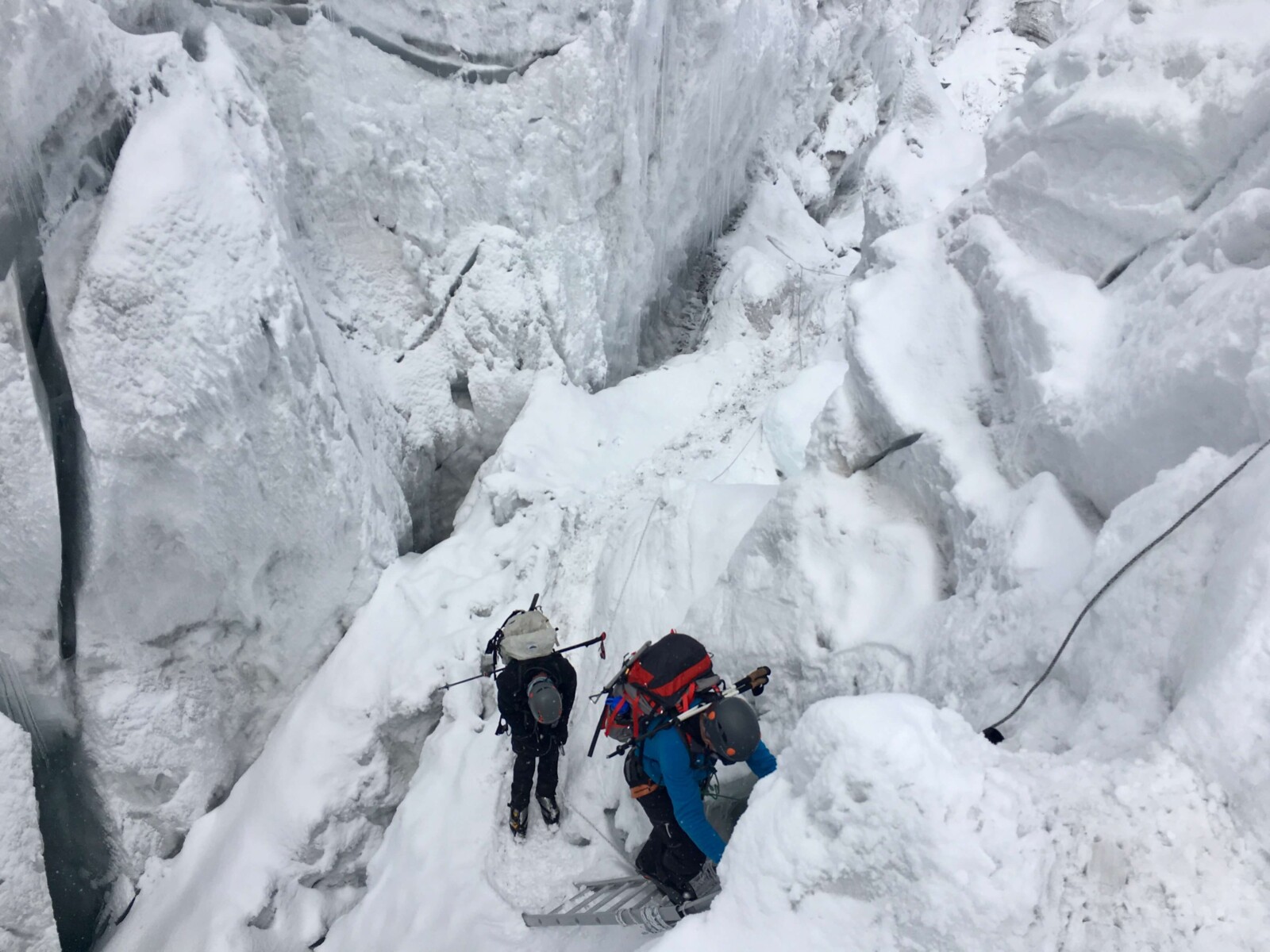
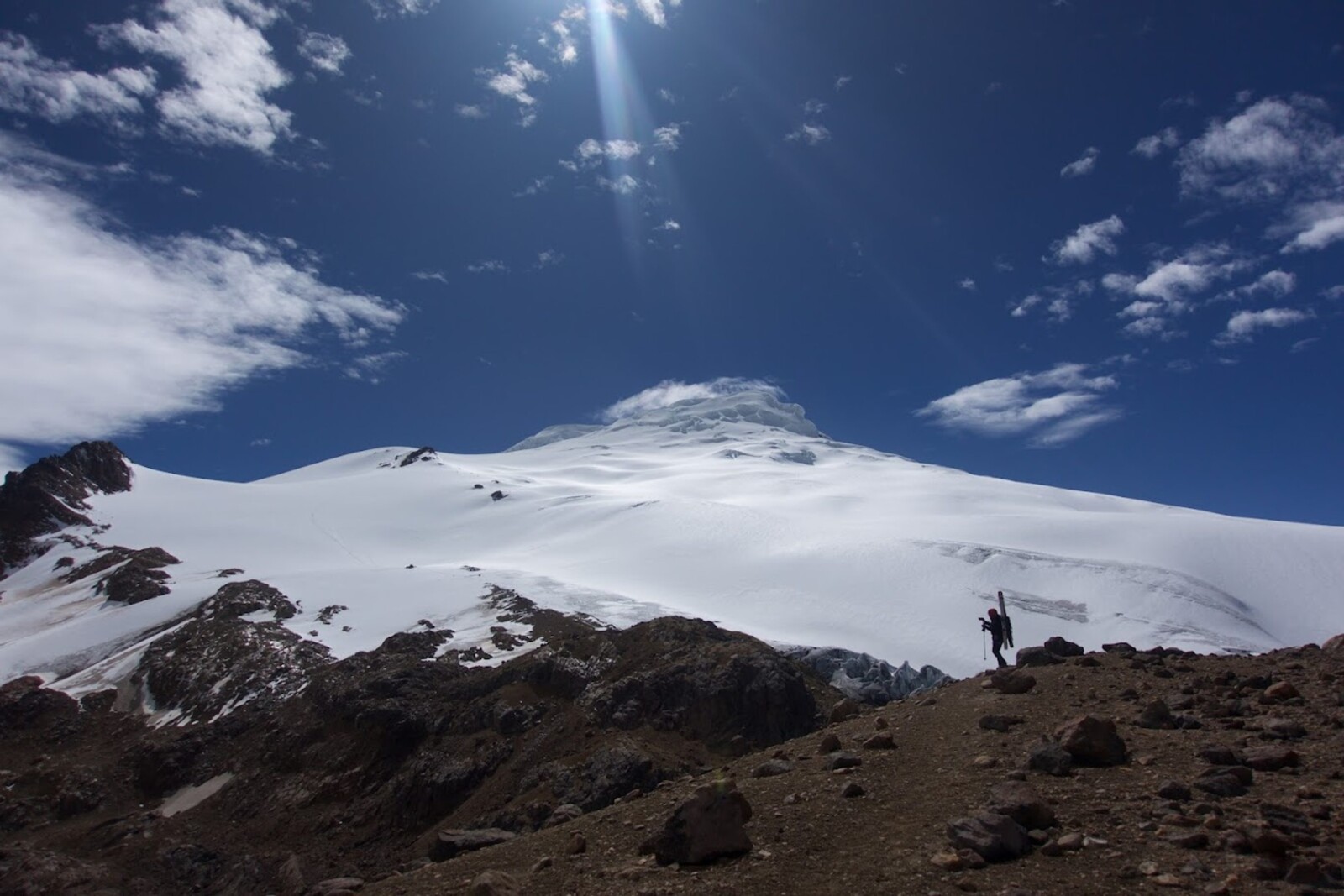
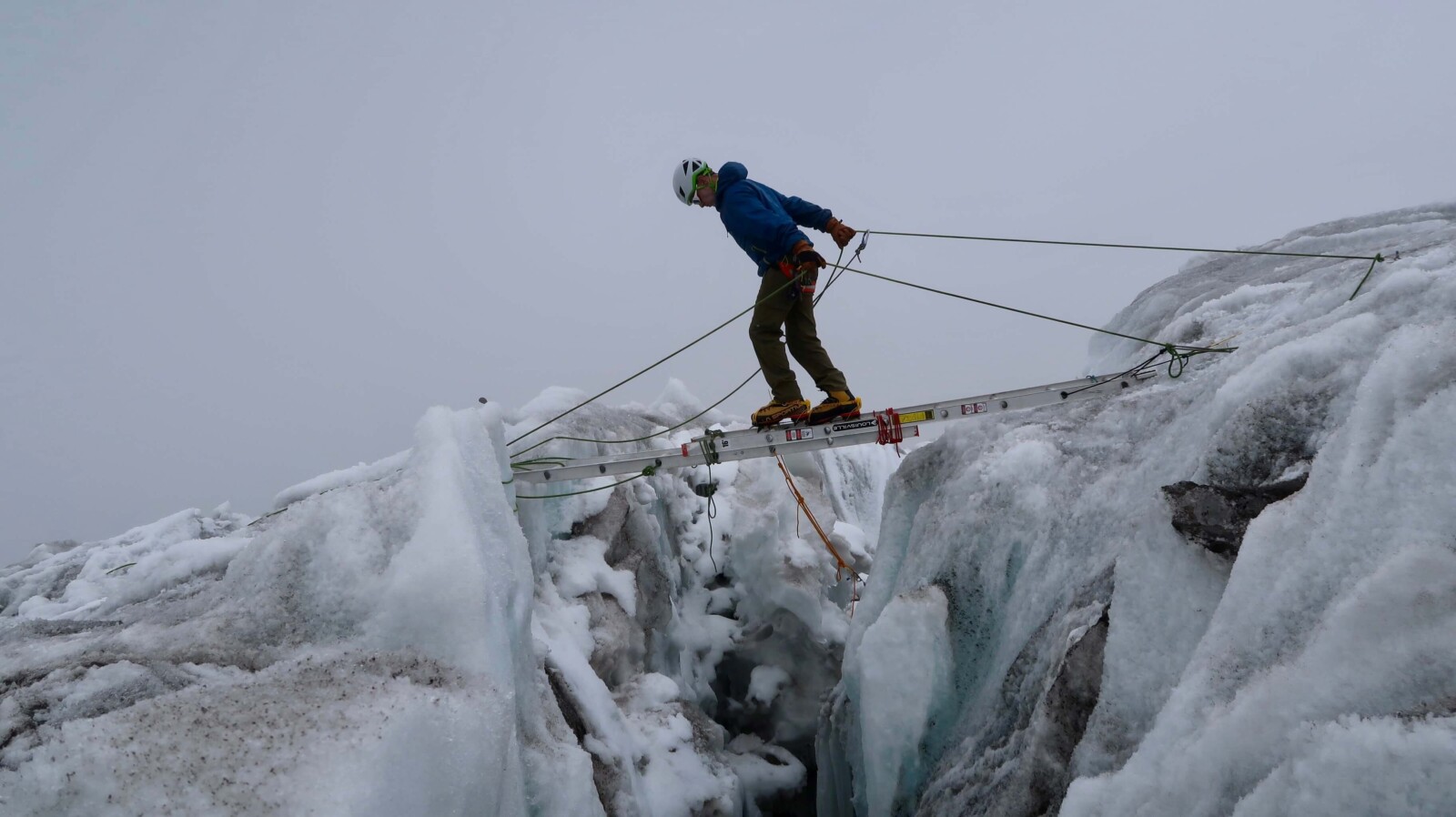
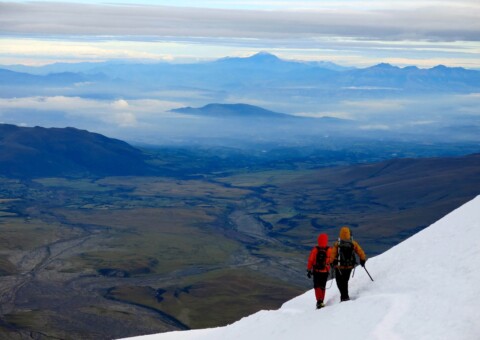
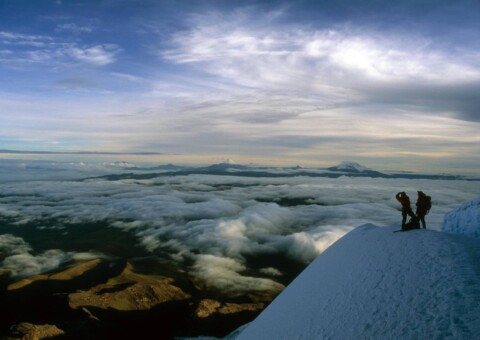
Cayambe: 18,996 ft / 5,790 m. Ecuador’s third-highest mountain, sitting almost exactly on the equator; its southern slope is the highest point on the equator anywhere in the world. A heavily glaciated route with crevasses and a few steeper sections below the summit. It’s the first big summit of the trip and the foundation for everything after.
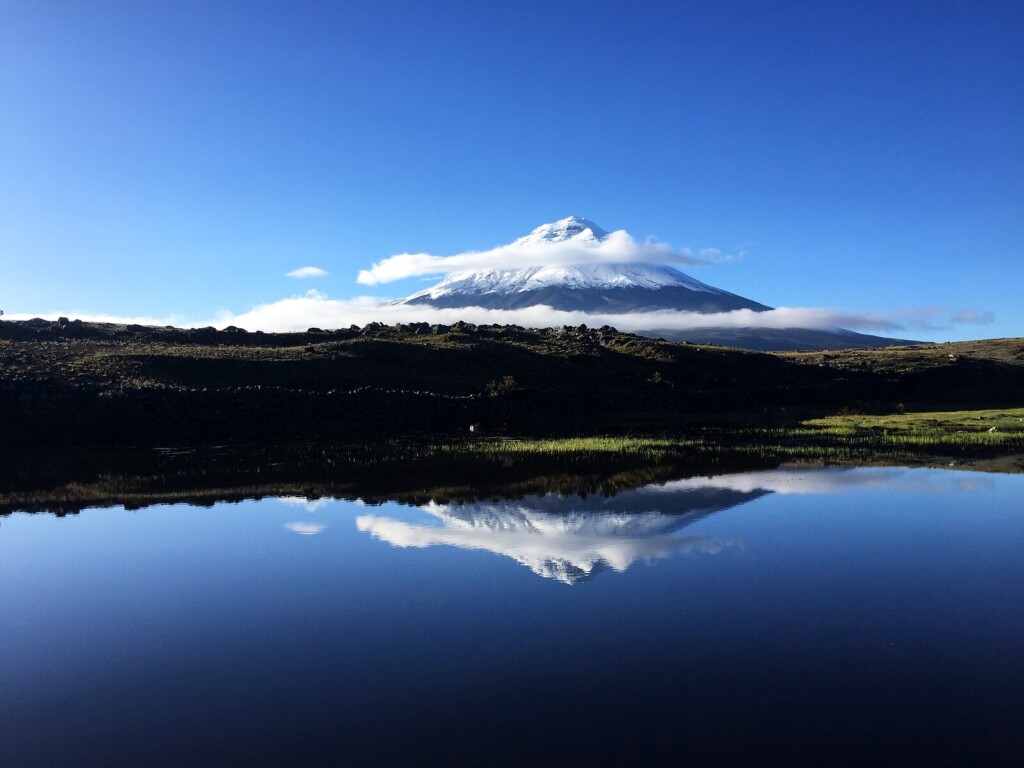
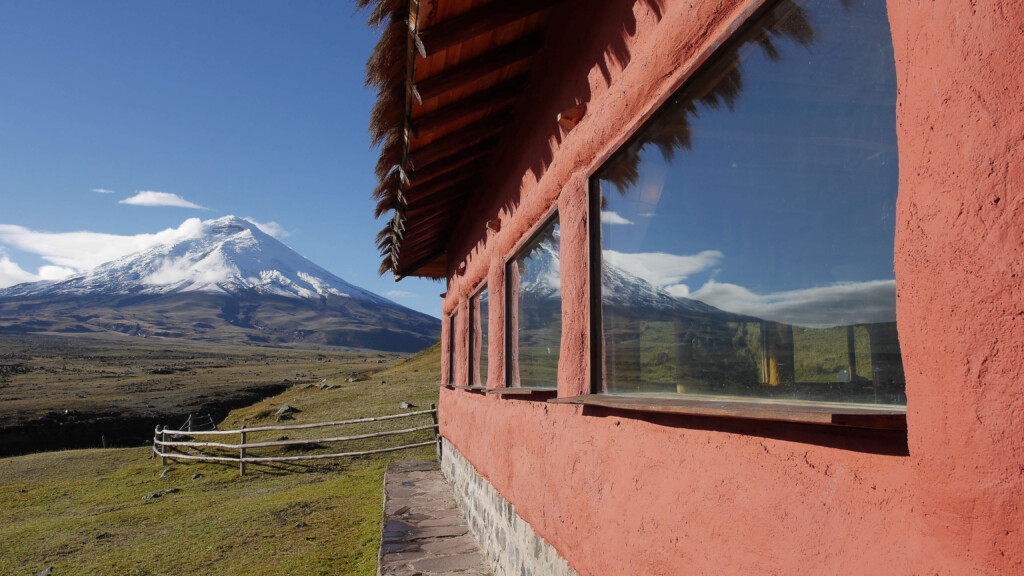
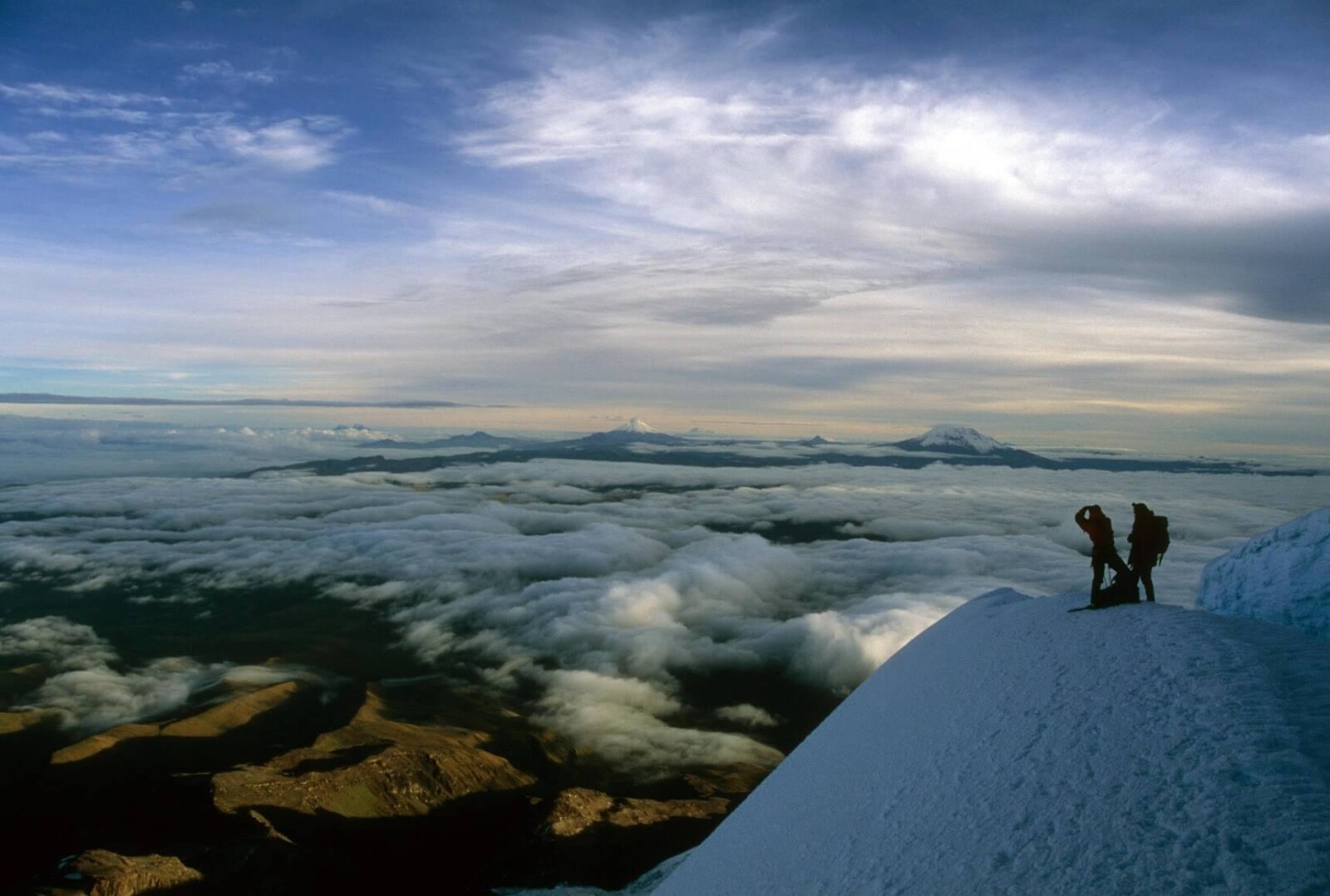
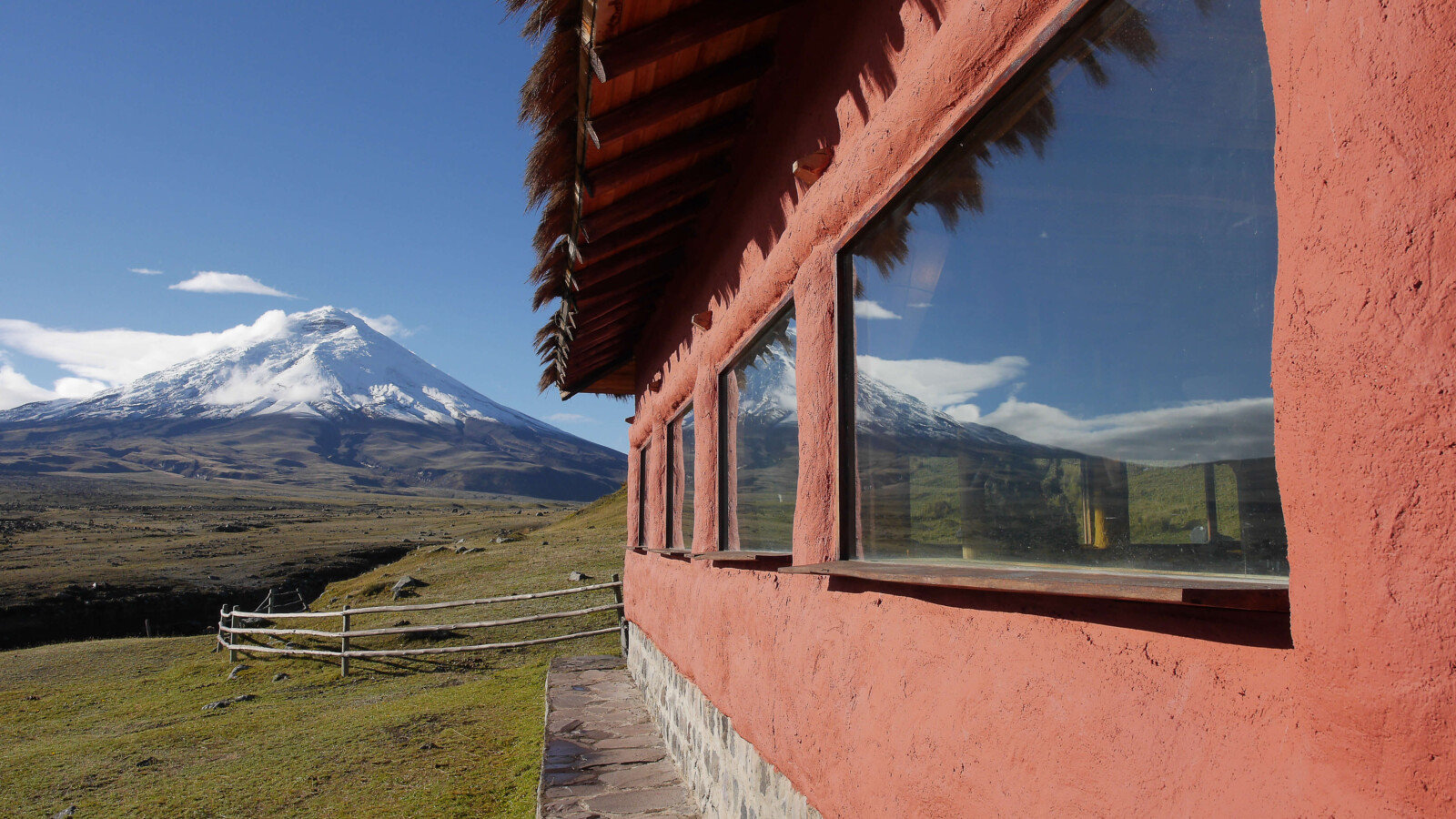
Cotopaxi: 19,347 ft / 5,897 m. The perfect cone most people picture when they think of Ecuador. Glacier slopes lead to a steaming crater rim with Chimborazo on the southern horizon. Cotopaxi is an active volcano and access can change with its activity. We confirm the status before every departure. If it’s closed, we climb Antisana (18,875 ft / 5,753 m) instead, a quieter, more remote glaciated peak east of Quito.
Chimborazo: 20,564 ft / 6,268 m. Ecuador’s highest mountain. Because the Earth bulges at the equator, its summit is the point on the planet farthest from the Earth’s center. It’s the longest, coldest and most serious day of the expedition, and the reason the rest of the itinerary is built the way it is.
Why This Order Works
The sequence matters as much as the mountains. Quito already sits at 9,350 ft / 2,850 m, so adaptation starts the day you land. Rucu Pichincha takes you above 14,800 ft / 4,500 m and back down to sleep. Cayambe takes you close to 19,000 ft / 5,800 m. Cotopaxi goes a little higher.
By the time you reach Chimborazo, you have nearly two weeks at altitude and two glaciated summits behind you, and Chimborazo is the next step rather than a leap. This gradual build gives your body real time to adjust.
A single-peak climb (drive to the hut, sleep a few hours, try for the top) can work for a strong, acclimatized climber. For most people it means climbing tired and under-adapted. This expedition is built the other way around.
The full plan is on Day by Day.
Two Flex Days for Weather
The equatorial Andes can change quickly, and a single bad night can cost a summit. Days 8 and 11 are rest days by design, and they are also our weather days. If a summit is weathered out, your guides can use the next flex day for a second attempt.
It’s an honest trade-off: using a flex day means giving up a rest day. Your guides will talk it through with the team before they decide, and they’ll base the call on the forecast and on how everyone is recovering.
Chimborazo: High Camp and One Guide per Climber
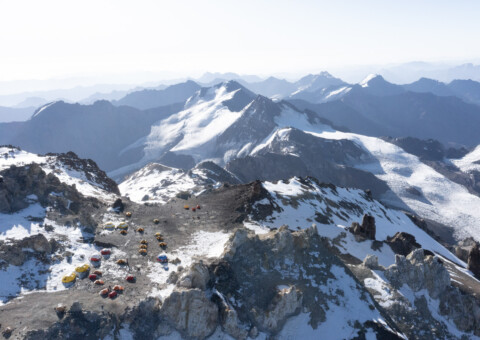
Chimborazo is climbed differently from the other two peaks. We don’t use the huts. The night before the summit, we camp at Castle Camp, about 17,500 ft / 5,350 m, high on the mountain’s flank. It’s the only night in tents on the whole trip, and it shortens summit night considerably.
On summit night, every climber has their own guide. One guide per climber gives the most flexibility and support on the hardest day of the expedition: your pace is your own, your guide’s attention is entirely on you, and a turnaround for one climber never ends the day for anyone else.
School or Expedition?
We run two programs on these volcanoes. The difference is how much of the trip is teaching and how much is climbing.
Ecuador Mountaineering School: for your first time on a glacier. The Core Program teaches you from your first crampon step to the summit of Cayambe. The Full Program continues on to Cotopaxi and Chimborazo, with instruction built in all the way.
Ecuador Volcanoes Expedition: for climbers who already have the basics. A skills refresher instead of a course, a high camp and one guide per climber on Chimborazo, and two flex days protected for weather.
If you’re new to glaciers, the School is the right start. If you’ve already been roped up on a glacier and want to spend your time on the summits, the Expedition is built for you. Expedition departures are scheduled right before or after the School’s dates. Not sure which fits? Ask a guide. We’ll tell you honestly.
Your Team
Every departure is led by an IFMGA- or ASEGUIM-certified guide, working with experienced BBE guides to the same standard. All our guides are WFR-certified. Teams are capped at four climbers.
- Cayambe and Cotopaxi: one guide for every two climbers
- Chimborazo: one guide for every climber
A small team means real supervision on the glacier and guides who know how you move long before summit night. You will never disappear into the group.
Local drivers, lodge and hut staff support the team on the ground. Your guides run the climbing, the acclimatization plan and every turnaround decision.
The team carries radio and satellite communications, and its own Starlink satellite internet, which it sets up when needed. It gives you a way to reach home even on the mountain: a limited connection, not a guarantee.
Willie and Damian Benegas built BBE’s standards over decades on the world’s big mountains. Scheduled departures are led by the BBE guide team. Private Ecuador expeditions can be personally led by Willie or Damian on request, confirmed in writing in the trip terms. See Private & Custom Expeditions.
Who This Expedition Is For
This expedition is a good fit if you:
- Have prior glacier mountaineering experience: crampons, ice axe and roped glacier travel (on our School, a recognized course, or guided glacier climbs)
- Want more than one summit from a single trip
- Are preparing for Aconcagua, Peru, Bolivia or a bigger objective and want serious altitude experience first
- Will commit to structured training in the months before departure
- Accept that no one can promise a summit, and that turning around is sometimes the right call
If you’ve never been on a glacier, start with the Ecuador Mountaineering School. For the honest standard, read Is This for Me?
Every climber speaks with a guide before booking.
Where This Expedition Can Lead
What you build here (pacing, glacier movement, and the discipline of long summit nights above 18,000 ft / 5,500 m) carries straight into the next objective:
There is no fixed ladder. For some climbers, Chimborazo is the objective in its own right.
Ready for Ecuador’s Volcanoes?
Tell us what you’ve climbed, where you’ve used crampons and a rope, how you train and what you want this expedition to be for you. If it’s the right fit, we’ll say so. If the School or another step should come first, we’ll say that too. We answer every inquiry personally.